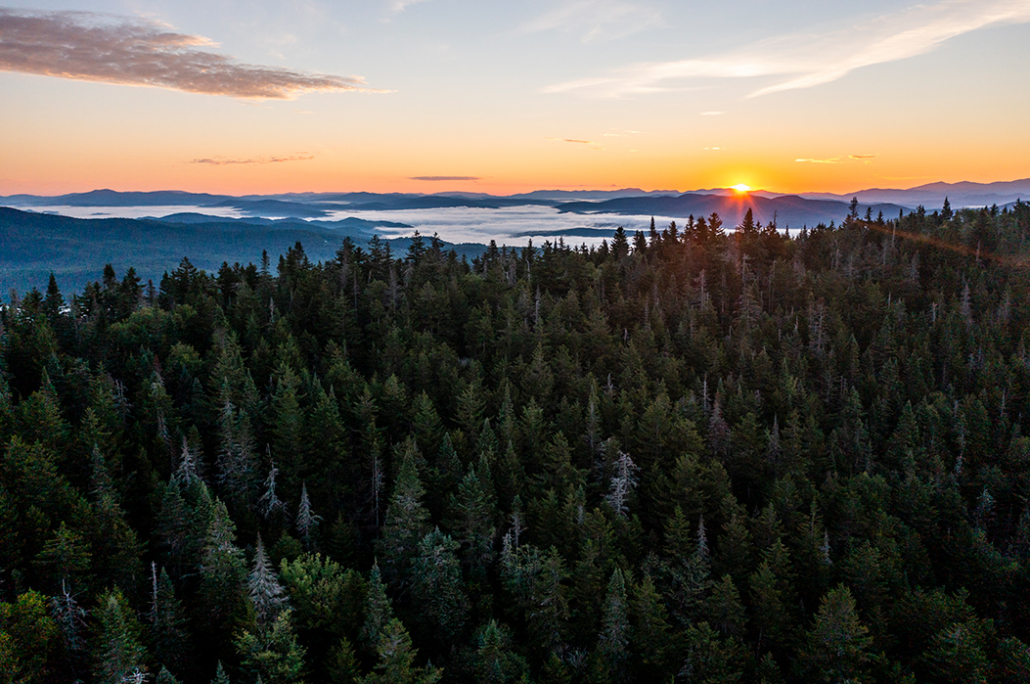
Help us expand Blue Mountain Wilderness Sanctuary! Northeast Wilderness Trust is currently fundraising to add an 11-acre parcel to the 825-acre property.
Save this Land - Eastern Addition to Blue Mountain Wilderness Sanctuary
The Eastern Addition to Blue Mountain would strengthen this forever-wild refuge in a win for biodiversity and climate mitigation in eastern Vermont. Expansions such as these are a priority for Northeast Wilderness Trust, as they offer the chance to connect forever-wild parcels and boost habitat linkages.
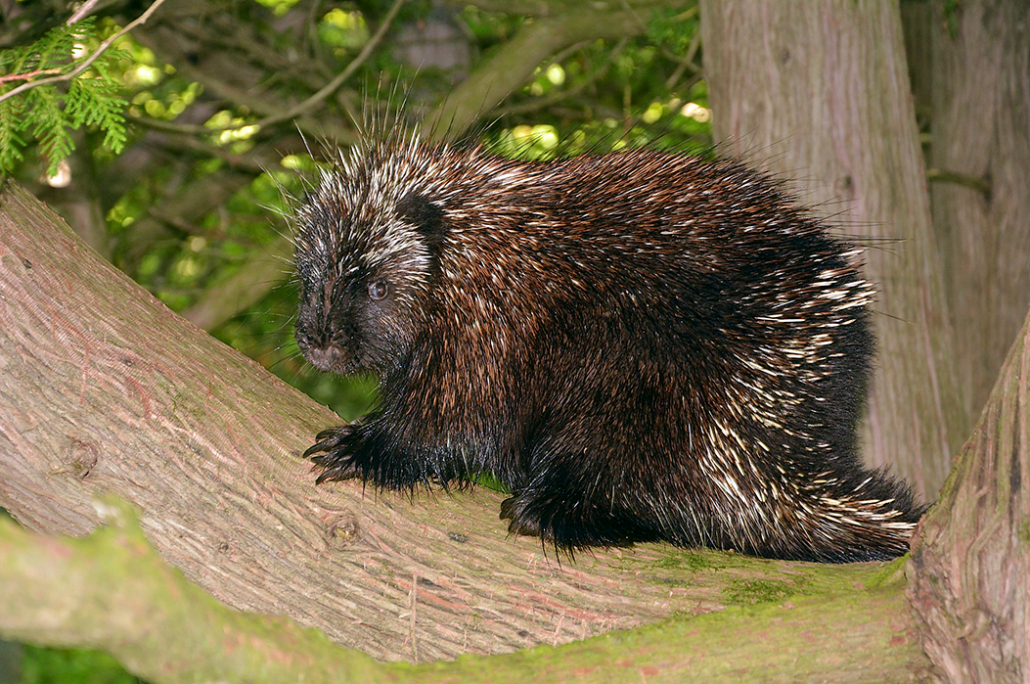
The Eastern Addition is no different. The parcel is labeled by the State of Vermont as the highest priority for conservation based on its interior-forest conditions, connectivity, and geological diversity. Adjoining it to Blue Mountain Wilderness Sanctuary will give the diverse wildlife that call the Sanctuary home—from porcupine to Pileated Woodpecker—more room to roam, breed, and raise their young. Given a future free of logging and human disturbance, the parcel will also contribute to Blue Mountain’s carbon storage as the expanded Sanctuary advances toward old-growth conditions.
With your support, the Eastern Addition and Blue Mountain Wilderness Sanctuary have a wild future.
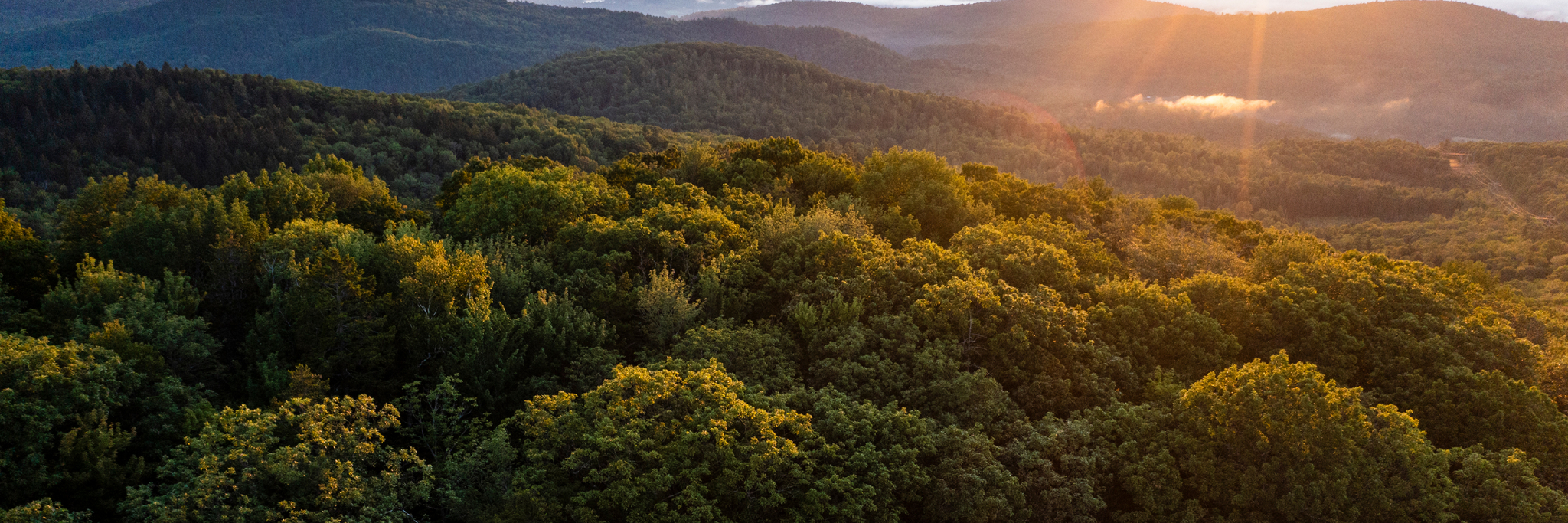
At present, Blue Mountain Wilderness Sanctuary spans 825 acres in Ryegate, VT.
Blue Mountain, the namesake of the local high school and grange, is the scenic backdrop of much of Ryegate Corner. From its 2364’ forested summit down to a low-lying Northern White Cedar Swamp (known as Ryegate Corner Swamp) at 970’, Blue Mountain Wilderness Sanctuary has an impressive diversity of habitats.
The previous landowner amassed several smaller parcels over time to create this 800-acre forest block with the intention of devoting this land to wildlife habitat in perpetuity. He never harvested trees on these lands, giving these forests a jump-start on their journey to a distinguished old age.
Situated at the nexus of three watersheds and spanning a 1,300’ elevation gradient, the Sanctuary lies at the transition zone between ecosystems typical of northern New England and those of southern New England. Protecting transition areas like this one as forever-wild is of utmost importance as climate change becomes more severe. Blue Mountain Wilderness Sanctuary helps to build resilience and foster the micro-climates needed by species rapidly losing ground due to climate change.
Blue Mountain Wilderness Sanctuary advances the goals of Vermont Conservation Design, a state-endorsed vision that calls for at least 9% of Vermont’s forests to be allowed to grow old. The Design prioritizes protecting properties that are well-connected to other intact forests and that have healthy interior conditions (also known as ‘core habitat’), such as Blue Mountain.
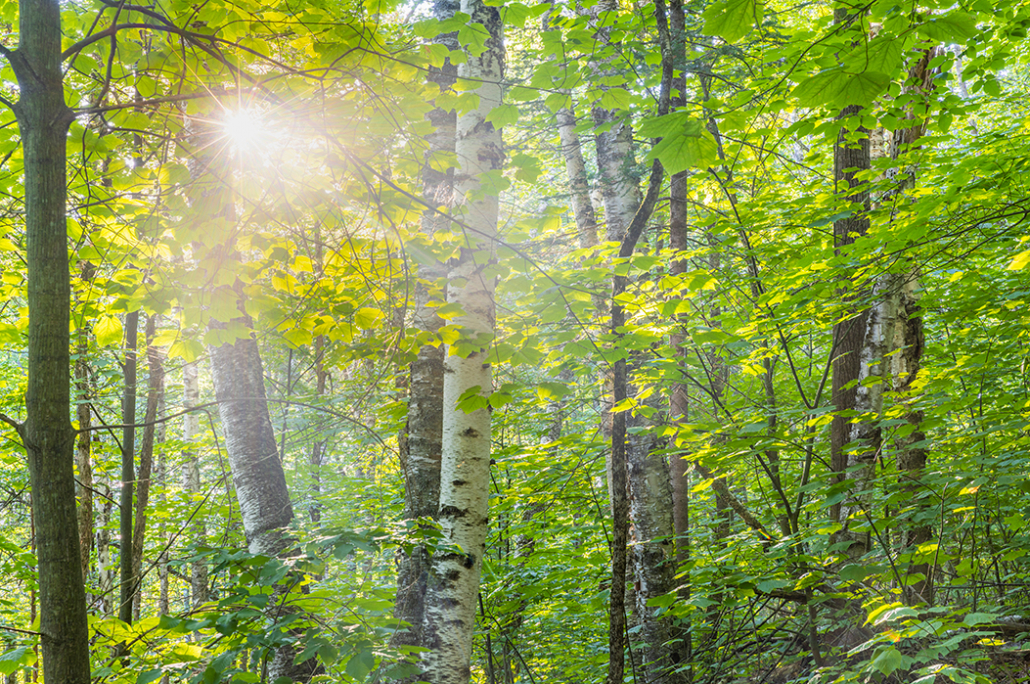
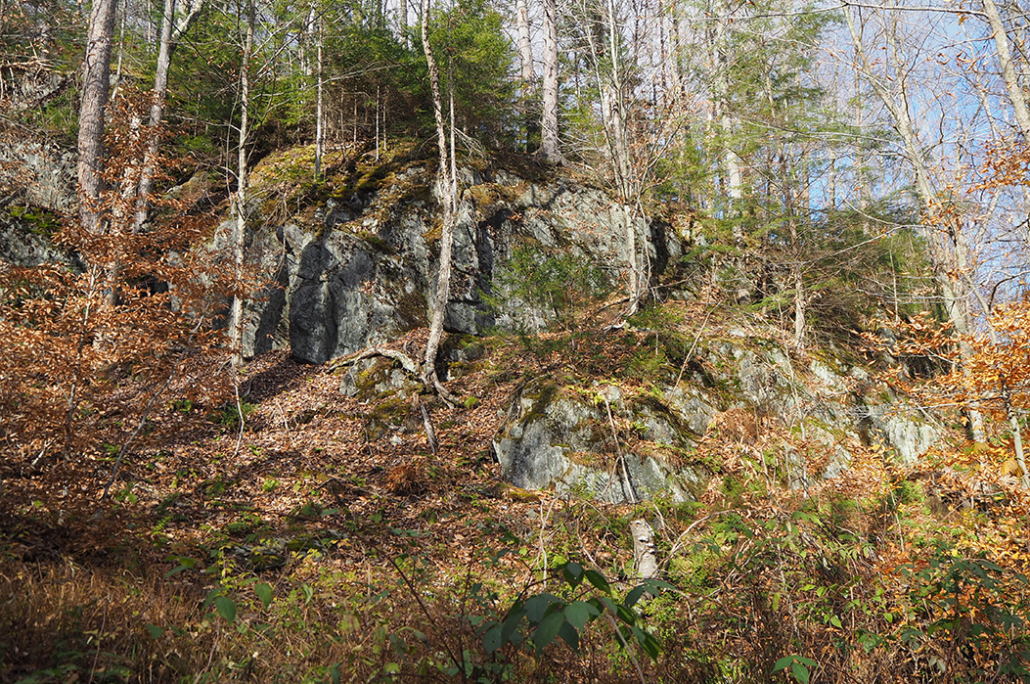
The Sanctuary’s lower elevation forests are second growth, likely with a history of agriculture, and are a mix of white pine, red spruce, balsam fir, red maples, and more. Slightly higher on the flanks of Blue Mountain, the forest shifts to a more standard Northern Hardwood assemblage with more mature American beech, yellow birch, and sugar maple. On the steepest and rockiest slopes of the mountain, many red oaks stand tall. The oaks and beech provide acorns and beech nuts for wildlife each autumn. The mature forest includes several large snags and some remarkably clean large beech trees, despite the presence of beech bark disease in the surrounding forest.
The Sanctuary encompasses five headwater streams of the Connecticut and Wells Rivers, Manchester Brook, and McLam Pond. There are four wetlands along the streams, which contribute to clean water and biodiversity. Some of these streams include suitable habitat for brook trout that need cold, clean waters.
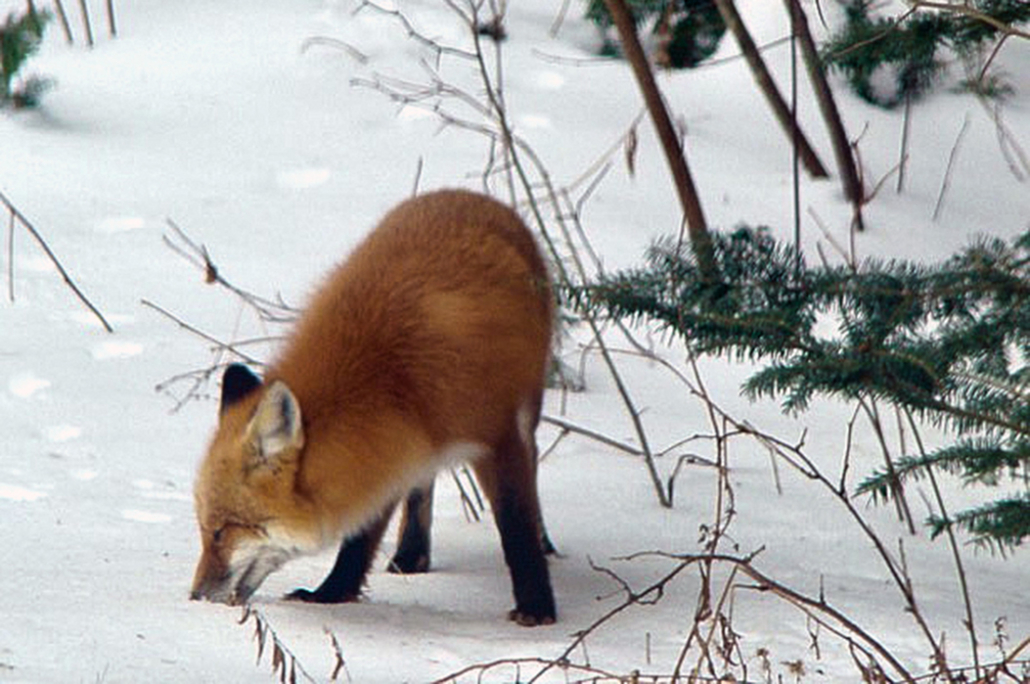
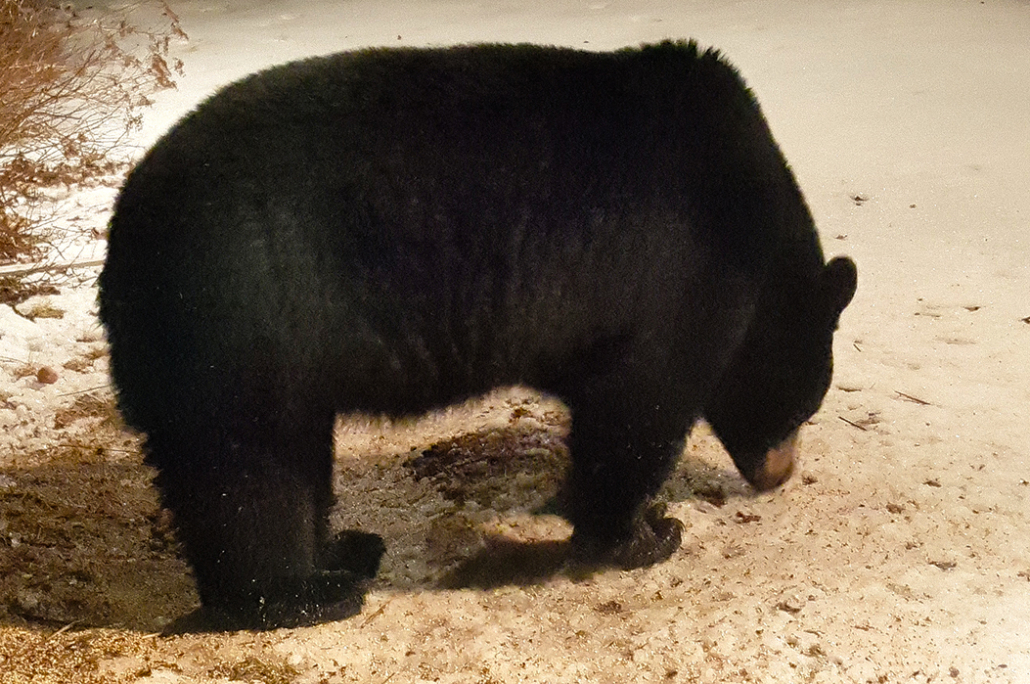
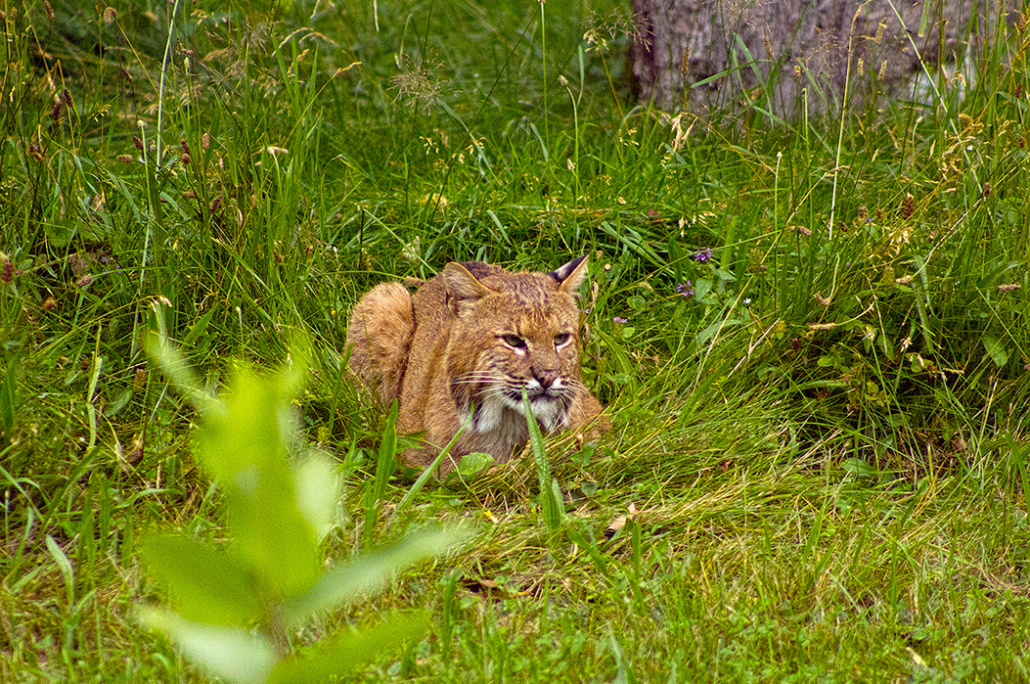
Wildlife sign abounds, from antler scrapes by deer or moose on trees, to squirrel midden piles and food caches, to small animal dens. Tracks of coyote, raccoon, porcupine, moose, deer, red fox, and squirrel are readily seen after a snowfall, and claw marks on beech and cedar trees tell the stories of bears searching for a hearty autumn snack or marking a corner of their territory. Steep slopes with ledges and boulders may support bobcat given that nearby stands of conifers provide cover for one of their prey species—snowshoe hare. Vernal pools are tucked away in the mountain’s undulating topography. These seasonal shallow pools dry up each summer, allowing amphibians to lay their eggs in the springtime without fish predation.
Support the Baker Addition to Blue Mountain Wilderness Sanctuary
Will you help Northeast Wilderness Trust protect more wilderness?
Help expand Blue Mountain Wilderness Sanctuary! The Baker Addition to Blue Mountain would strengthen this forever-wild refuge in a win for biodiversity and climate mitigation in eastern Vermont. Expansions such as these are a priority for Northeast Wilderness Trust, as they offer the chance to connect forever-wild parcels and boost habitat linkages.
Together, we can ensure a healthier future for this land and the wildlife that depend on it. You can help by:
- Sending a check made out to Northeast Wilderness Trust with “Baker Addition” written in the memo line.
- Making a gift online through the donation box on this page.
- Giving through a Donor-Advised Fund (indicate “Baker Addition”) at https://newildernesstrust.org/giving.
- Making a gift of stock or other publicly traded securities. Please contact Nicie Panetta, Vice President of Advancement, at nicie@newildernesstrust.org.
Thank you!
Photography by Jerry Monkman/Ecophotography; Video by Jerry Monkman/Reel Quest Films.
Blue Mountain Wilderness Sanctuary is open to the public for quiet exploration and enjoyment. Please respect the plants and animals who live here, show consideration to wildlife, other visitors, and neighboring landowners, know and obey the law, and leave the natural environment as you found it. Enjoy your visit and respect the following guidelines while on the land:
Welcomed Activities
- Walking, hiking, snowshoeing & cross-country skiing
- Photography, wildlife observation & nature study
- Swimming, fishing, paddling & non-motorized boating
- Dogs under voice or leash control
Prohibited Activities
- Motorized vehicles (ATVs, dirt bikes, 4x4s, snowmobiles, or other motorized or mechanized vehicles)
- Bicycles
- Horses or pack animals
- Camping, fires & fireworks
- Loud music or radios
- Hunting of any kind is prohibited on NEWT sanctuaries
- Cutting or damaging plants or trees
- New trails or unauthorized trail maintenance
- Launching & landing drones
Click here to read NEWT Preserve & Sanctuary Visitation Guidelines