Maidstone, VT 242 acres Visitor Guidelines Directions Download Map

A haven of water and wildlife in northeastern Vermont

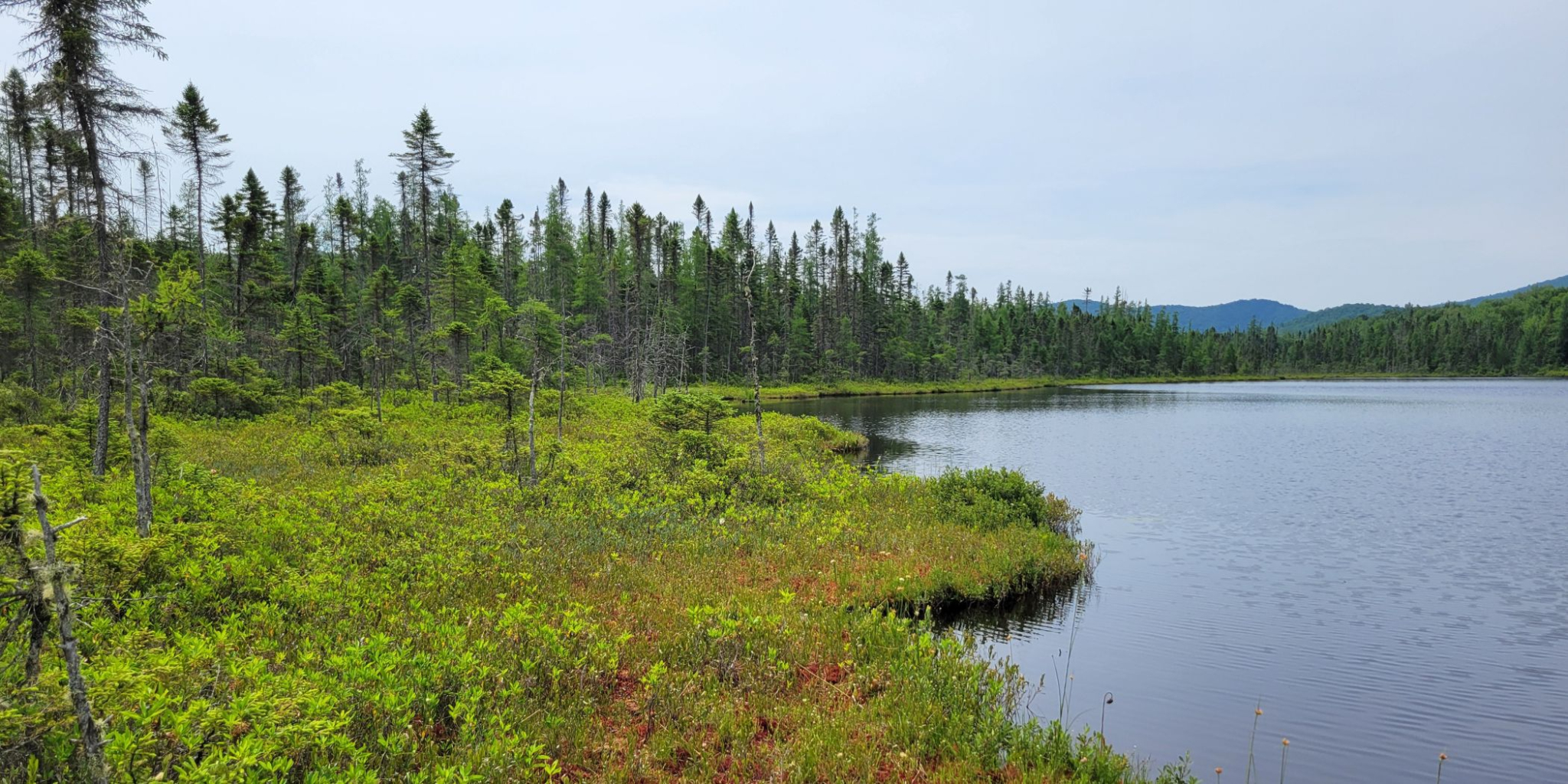
On the shores of Dutton Pond in Vermont’s Northeast Kingdom, a kaleidoscope of life glitters in the sun. Dragonflies dart over the water, while pollinators nectar on the flowers of aquatic plants, and waterbirds glide along the surface. This gem is the centerpiece of Hawk’s Nest Wilderness Preserve, a 242-acre property in Maidstone. Elsewhere on the property, forests regenerate toward old growth. Streams and beaver meadows create habitat for an array of species, which benefit from Hawk’s Nest’s location within a wider area of conserved lands.

Vibrant Forests in the Shadow of a Mountain

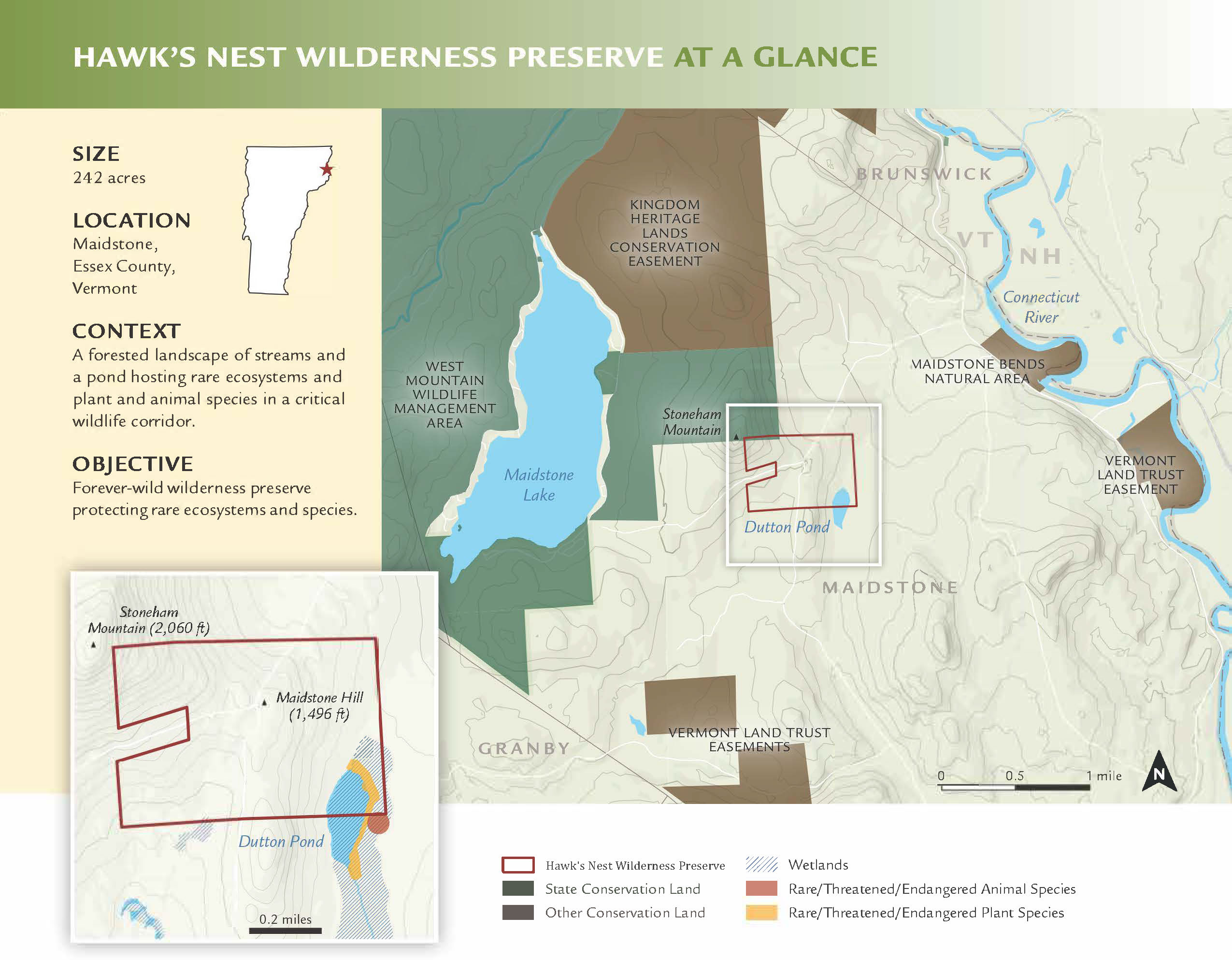
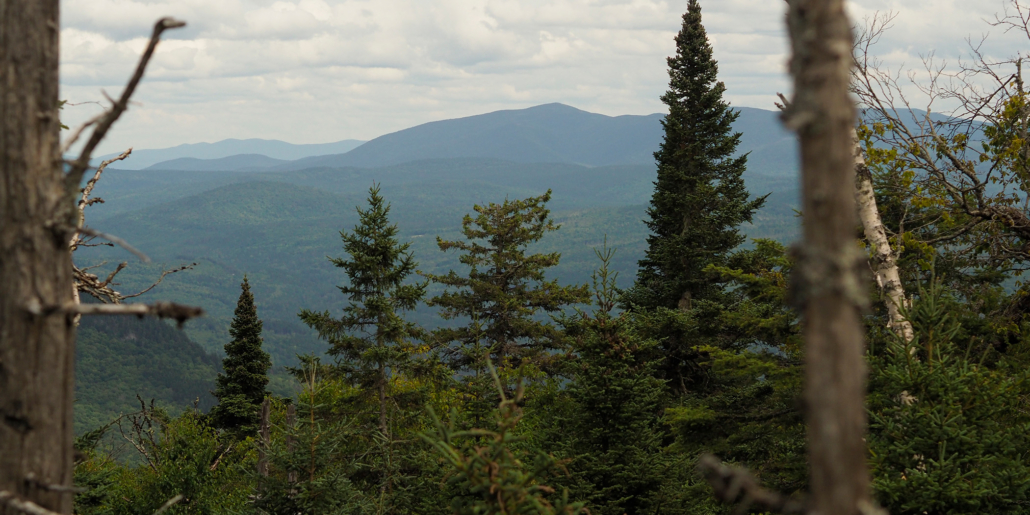
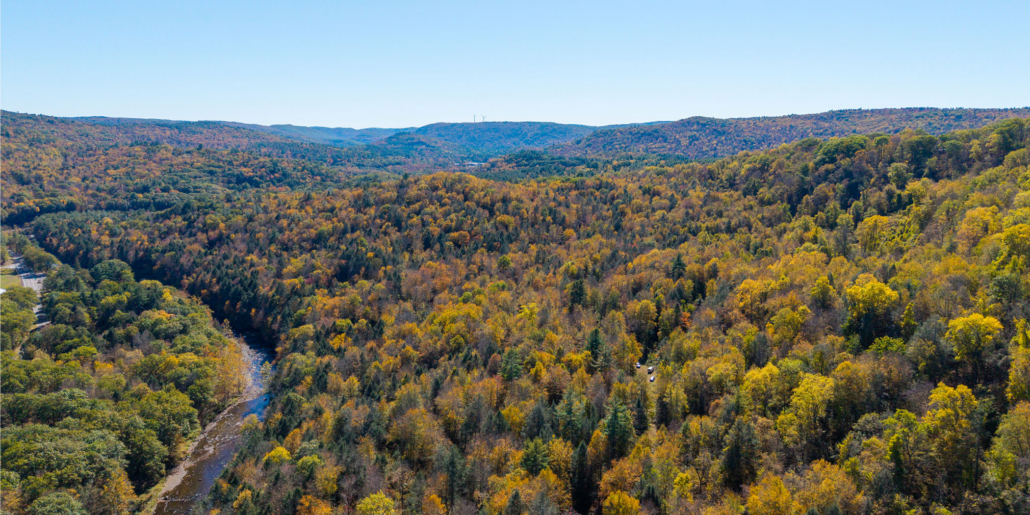
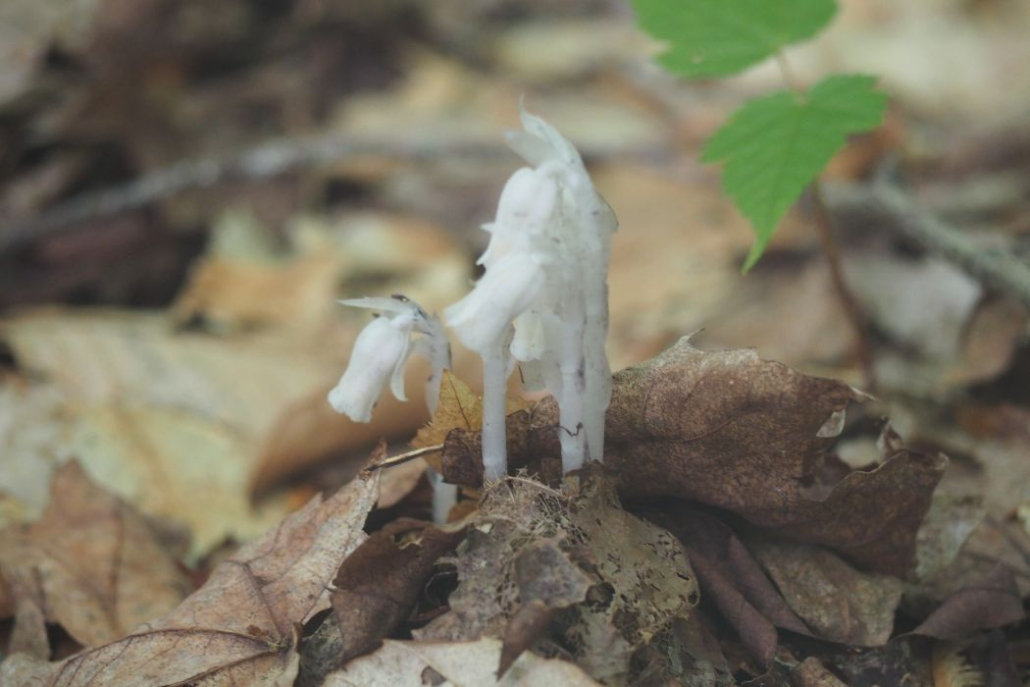
Hawk’s Nest Wilderness Preserve stretches southeast from the foot of Stoneham Mountain. In this northwestern corner of the property is its highest point, at 2,040 feet above sea level. From there, the land slopes downward. Near its center is the humble, 1,496-foot Maidstone Hill, and in its southeastern corner is Dutton Pond. Northern Hardwood Forest, a common ecosystem type in northern New England, covers most of the Preserve. American beech, sugar maple, and yellow birch are abundant in many areas, where low-growing species like ghost pipe, trillium, and sarsaparilla reach up from the duff in spring. Elsewhere, large, old white pines evidence the property’s likely agricultural history, while hobblebush and regenerating balsam fir dot the midstory.
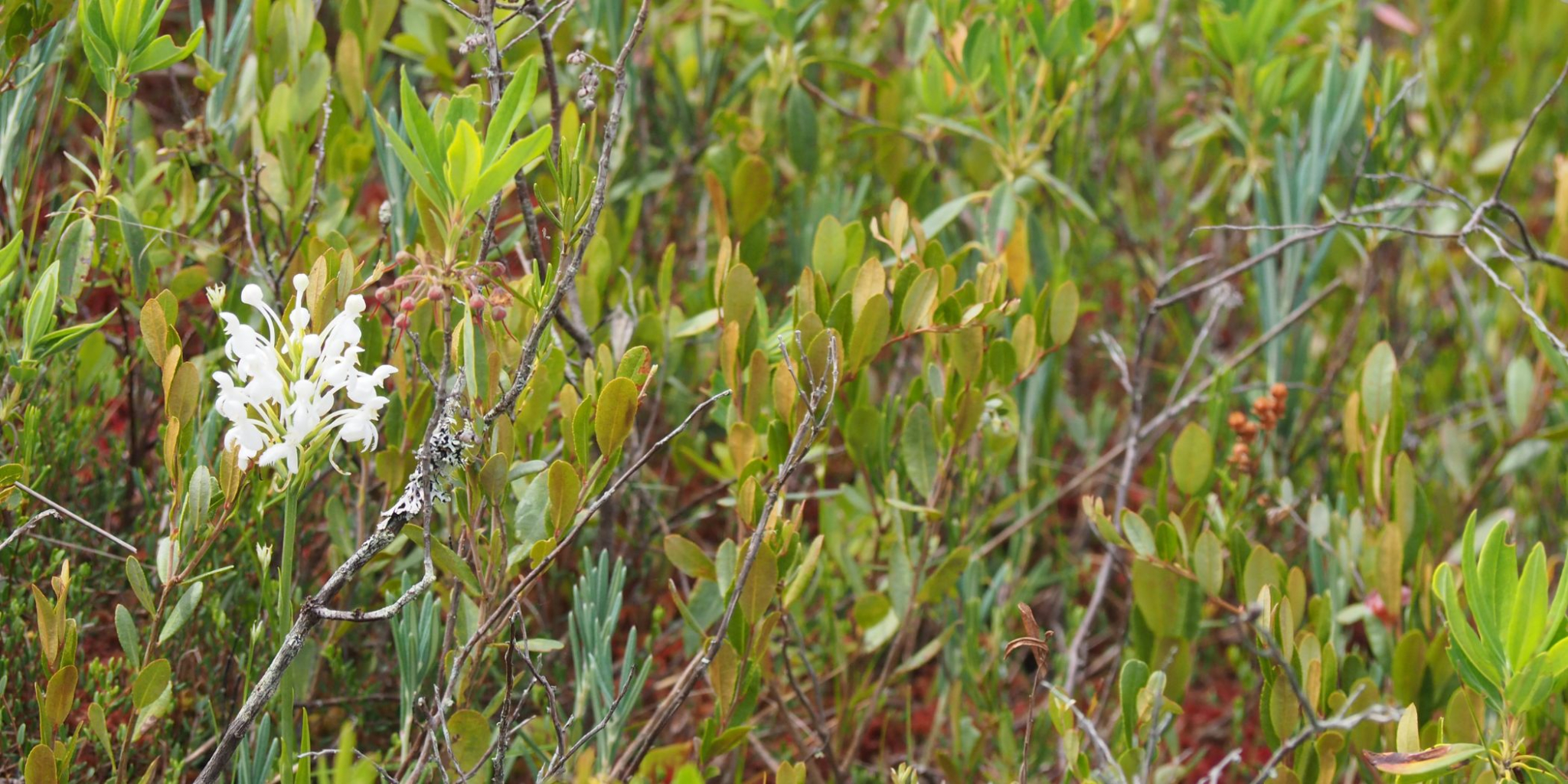
 

Shelby Perry White-fringed orchid
White-fringed orchid among sheep laurel, bog rosemary, and leatherleaf—other plants common to Poor Fens in Vermont—growing out of a mat of sphagnum moss, the substrate of the fen. The presence of white-fringed orchids can be an indicator of areas less disturbed by people.

Bogs, Fens, and Beavers

Not to be outdone by its forests, the Preserve’s wetlands and streams add ecological variety and welcome wildlife. Hawk’s Nest features just over eight acres of wetlands, including a beaver meadow in its southeastern corner, and about a quarter of a mile of streams. Dutton Brook is the property’s primary stream, which originates in a wetland north of Dutton Pond and eventually joins with other brooks south of the parcel before flowing into the Connecticut River.

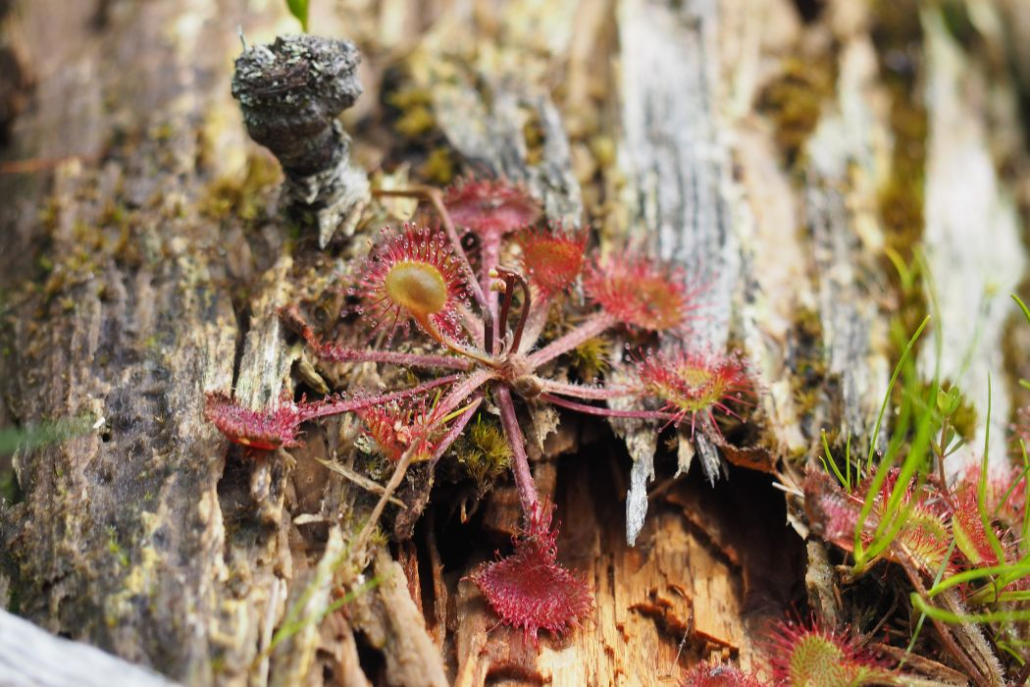
But perhaps the most notable feature of Hawk’s Nest Wilderness Preserve is the rare natural community occurring on Dutton Pond’s north shore. Here sits a Poor Fen, an ecosystem classified as S2 (rare) by the State of Vermont. The base of the Poor Fen is a mat of sphagnum moss, which over time can form peat, a potent carbon-storage mechanism. Out of the sphagnum substrate grows a marvelous array of plant species, including bog rosemary, sheep laurel, and sundew. White-fringed orchid, an S2 (rare) species in Vermont, also occurs in the Poor Fen.


Ghost pipe.
Sundew

A forested wetland spreads north from the pond. Northern white cedar abounds here, joined by black spruce and balsam fir. Down in the understory, bluebead lily, goldthread, and cinnamon fern intermingle. This area showcases several different natural communities, including Forested Seeps and possibly a Red Spruce-Cinnamon Fern Swamp.

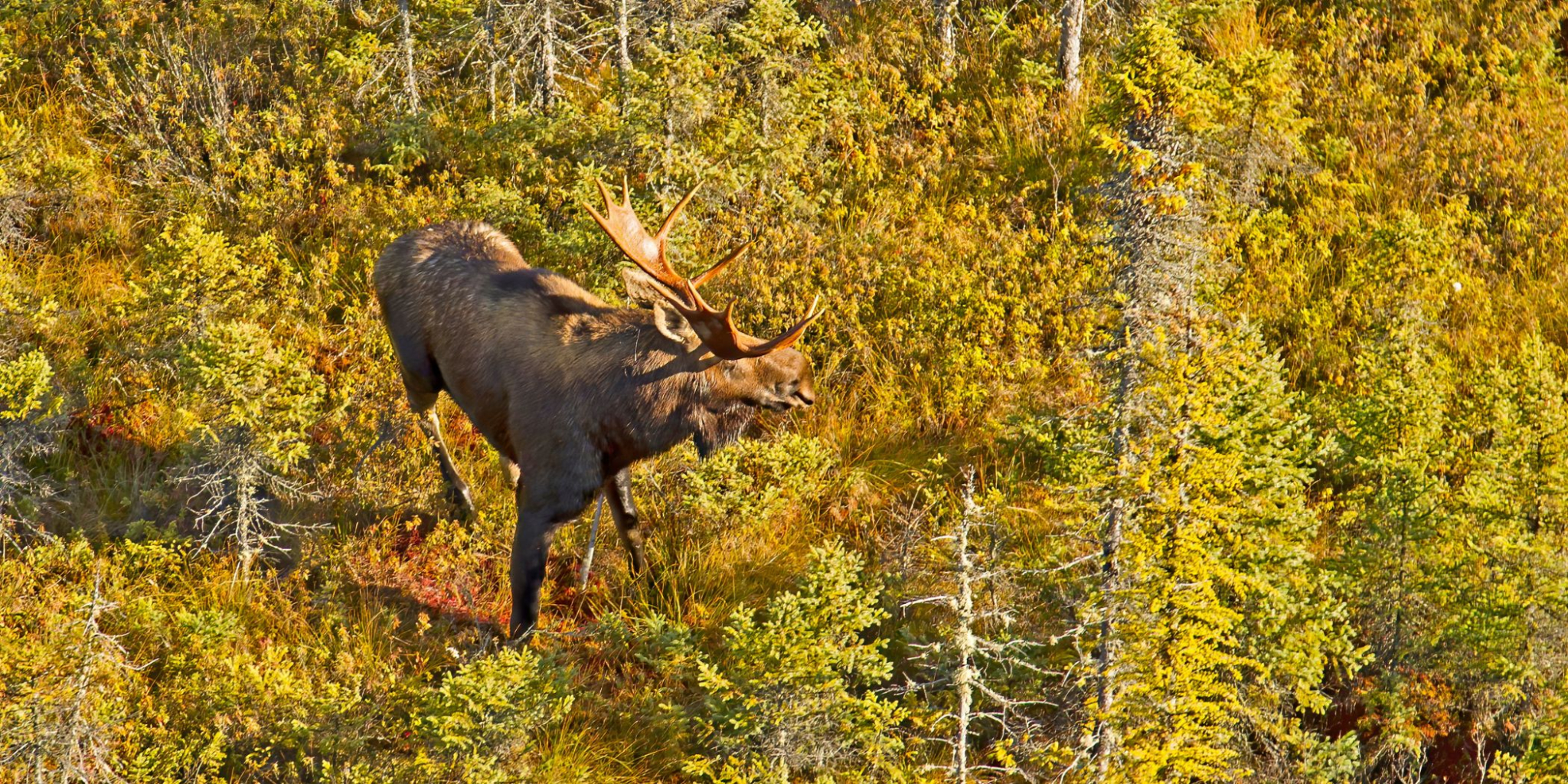
These wetland habitats are critical to a diversity of wildlife, which rely on them for forage and nesting sites. Black bear, coyote, and moose all likely live on or pass through the Preserve. A nest of American Goshawks, an S3 (uncommon) species in Vermont which needs undisturbed forests far from human encroachment, has also been documented on the Preserve.

A Forever-Wild Core Among Other Conserved Lands

Hawk’s Nest Wilderness Preserve’s 242 acres of thriving forests and rich wetlands are a bastion of biodiversity—but the property’s location makes its conservation value even greater. Part of Hawk’s Nest lies within a nearly 100,000-acre forest block spanning parts of Vermont, New Hampshire, and Maine. Not far from the Preserve are the 31,000-acre Silvio O. Conte National Fish and Wildlife Refuge and the 20,000-plus acres of the West Mountain Wildlife Management Area. These lands are within the Staying Connected Initiative’s Northeast Kingdom to Northern New Hampshire to Western Maine wildlife corridor, a pathway identified as crucial to the ability of species to shift their ranges in response to climate change.


Hawk’s Nest Wilderness Preserve at a glance

Size: 242 acres

Location: Maidstone, Essex County, Vermont

Context: A forested landscape of streams and a pond hosting rare ecosystems and plant and animal species in a critical wildlife corridor.

Objective: Forever-wild wilderness preserve protecting rare ecosystems and species.


Hawk's Nest Map


Moose - Larry Master

Photography: Hawk’s Nest Wilderness Preserve images by Shelby Perry; moose image by Larry Master.


Rewild My Inbox

Bring the wilderness straight to your inbox with the Wild Times E-newsletter.


Visitor Guidelines
Hawk’s Nest Wilderness Preserve is open to the public for quiet exploration and enjoyment. Please respect the plants and animals who live here, show consideration to wildlife, other visitors, and neighboring landowners, know and obey the law, and leave the natural environment as you found it. Enjoy your visit and respect the following guidelines while on the land:
Welcomed Activities
Walking, hiking, snowshoeing & cross-country skiing
Photography, wildlife observation & nature study
Swimming, fishing, paddling & non-motorized boating
Dogs under voice or leash control
Prohibited Activities
Motorized vehicles (ATVs, dirt bikes, 4x4s, snowmobiles, or other motorized or mechanized vehicles)
Bicycles
Horses or pack animals
Camping, fires & fireworks
Loud music or radios
Trapping, hounding, or predator hunting
Cutting or damaging plants or trees
New trails or unauthorized trail maintenance
Launching & landing drones
Click here to read NEWT Preserve & Sanctuary Visitation Guidelines


Accredited Land Trust logo.
Rewild my inbox!

NORTHEAST WILDERNESS TRUST
17 STATE STREET, SUITE 302
MONTPELIER, VT 05602

802.224.1000

info@newildernesstrust.org

Accredited Land Trust logo.
Logo of a one over a two.
Logo for the Global Rewilding Alliance.
A platinum Seal of Transparency.

© The Northeast Wilderness Trust 2025    TERMS OF USE    PRIVACY POLICY

Learn about our Green Guarantee.

Sign up for the Wild Times Enewsletter!

NORTHEAST WILDERNESS TRUST
17 STATE STREET, SUITE 302
MONTPELIER, VT 05602

802.224.1000

© The Northeast Wilderness Trust 2024    TERMS OF USE    PRIVACY POLICY

Learn more about our Green Guarantee.

Logo for Accredited Land Trust.
A one over a two, meaning one half.
Logo for the Global Rewilding Alliance.
A platinum Seal of Transparency.