Field Notes by Shelby Perry, Wildlands Ecology Director
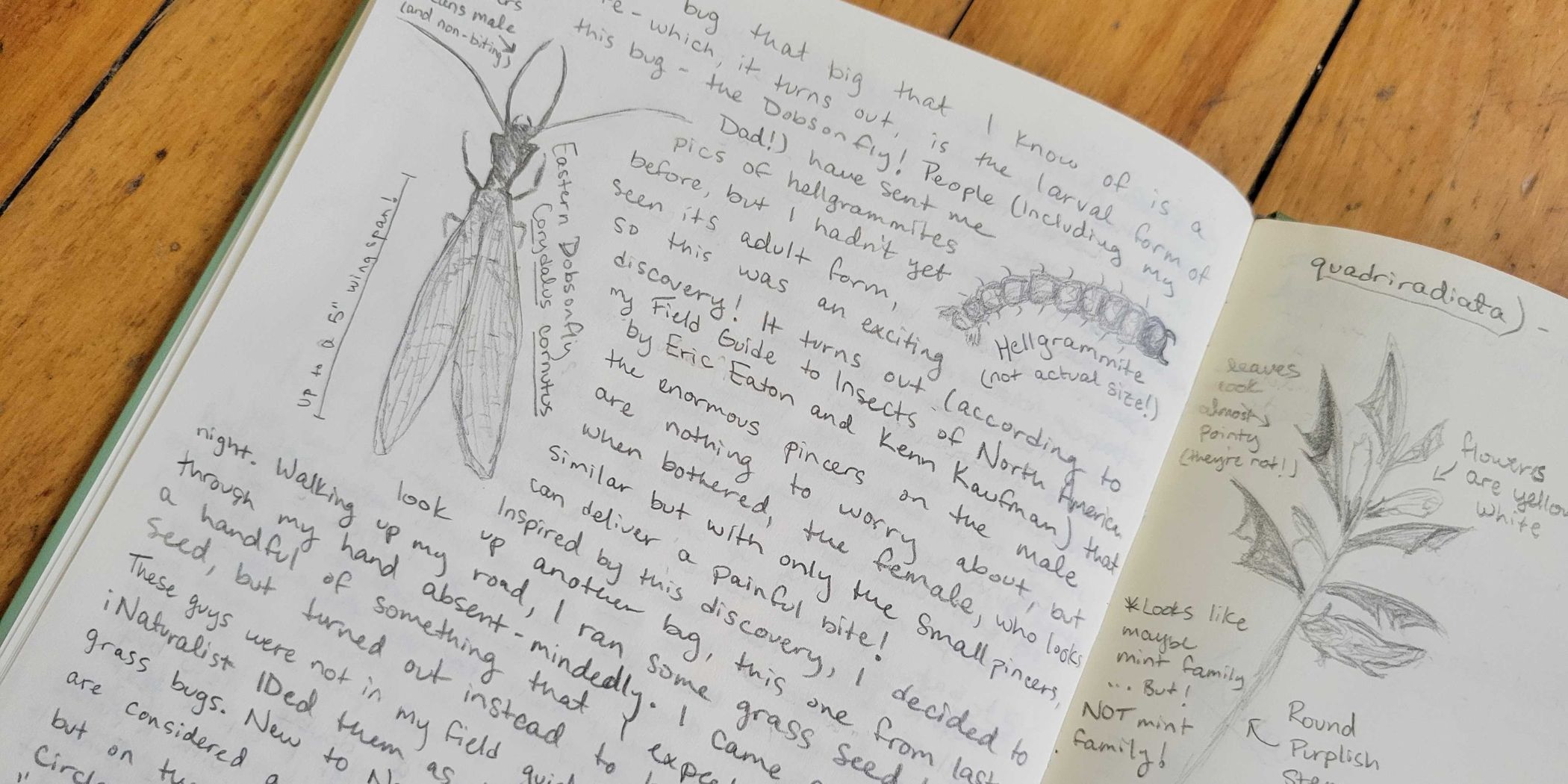
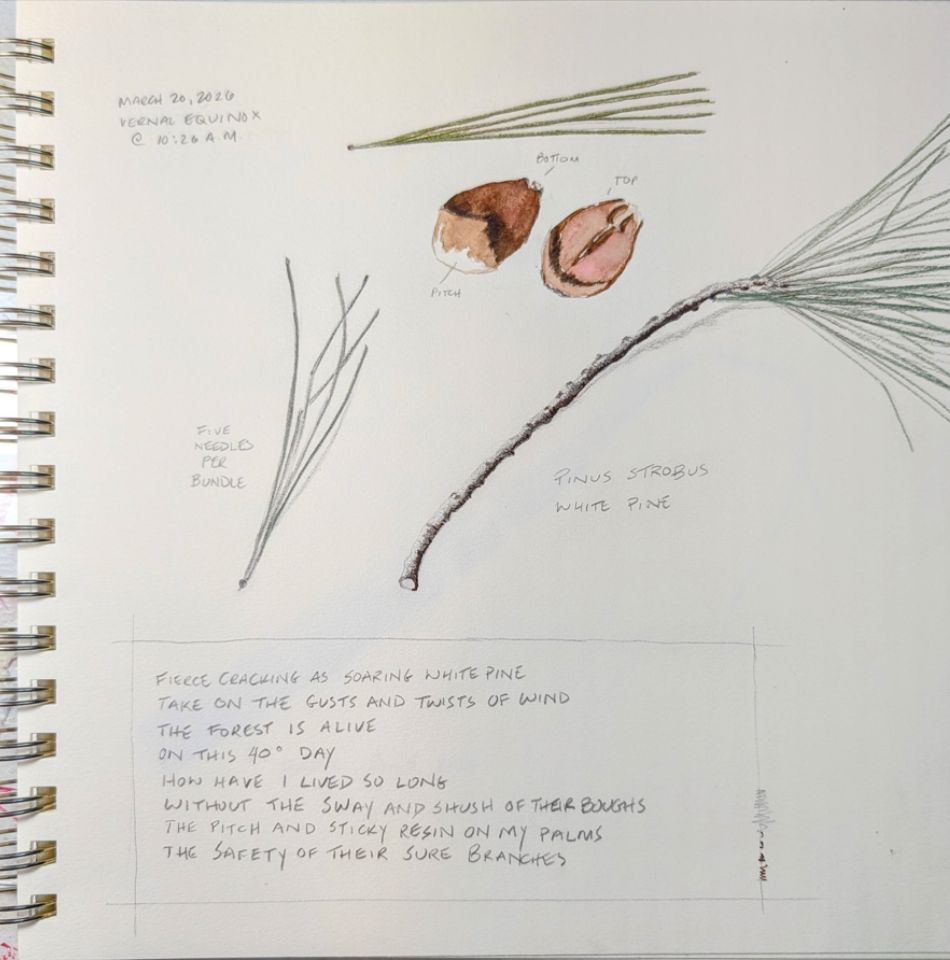
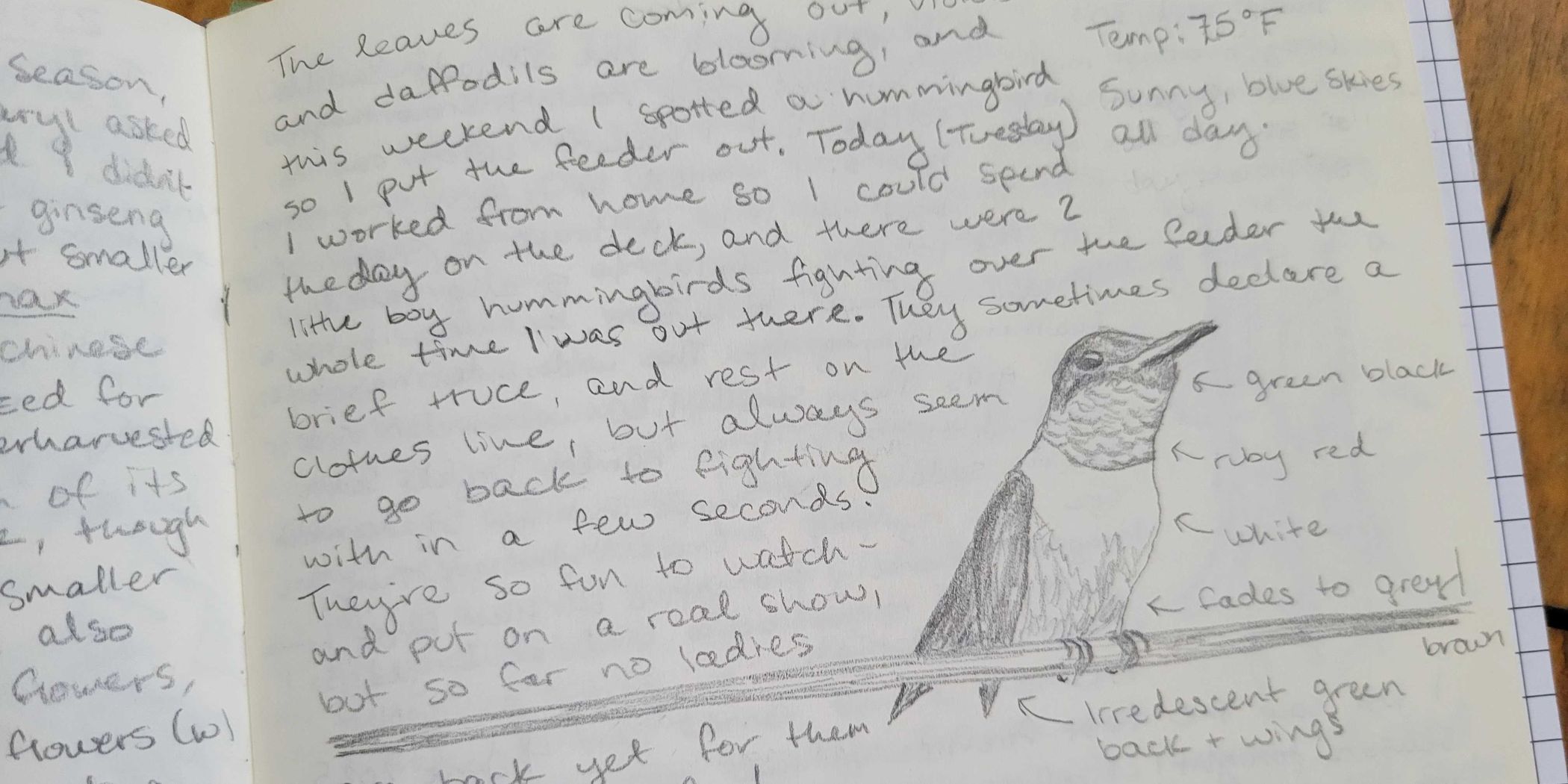
“I have kept (at least) nine different Nature journals in my life. They have ranged in format from short notes in calendar squares to detailed pencil drawings and natural history observations in a hardcover bound journal. My favorites are the ones that started with a question, often in the form of a species I didn’t recognize: a random text from a friend with a picture of a bug, a mysterious plant in a crack in the pavement downtown, veins of yellow slime across a leaf in the woods. The ensuing journey through field guides, internet searches, and dichotomous keys usually serves to teach me much more than I originally set out to learn. Capturing that learning quest in my journal means that I can revisit that entry as a future reference (and sometimes even build on it over time), but also that I can reconnect with those feelings of curiosity, inquiry, and discovery that I had at the time of the initial entry.
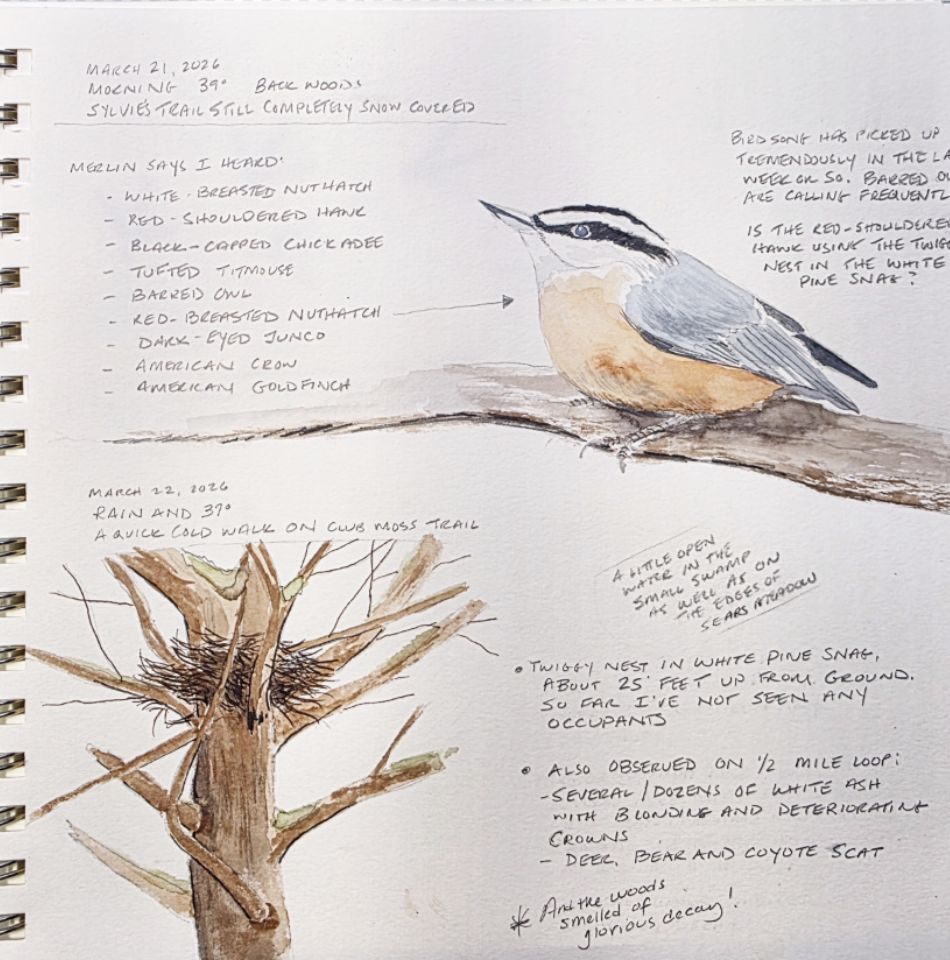
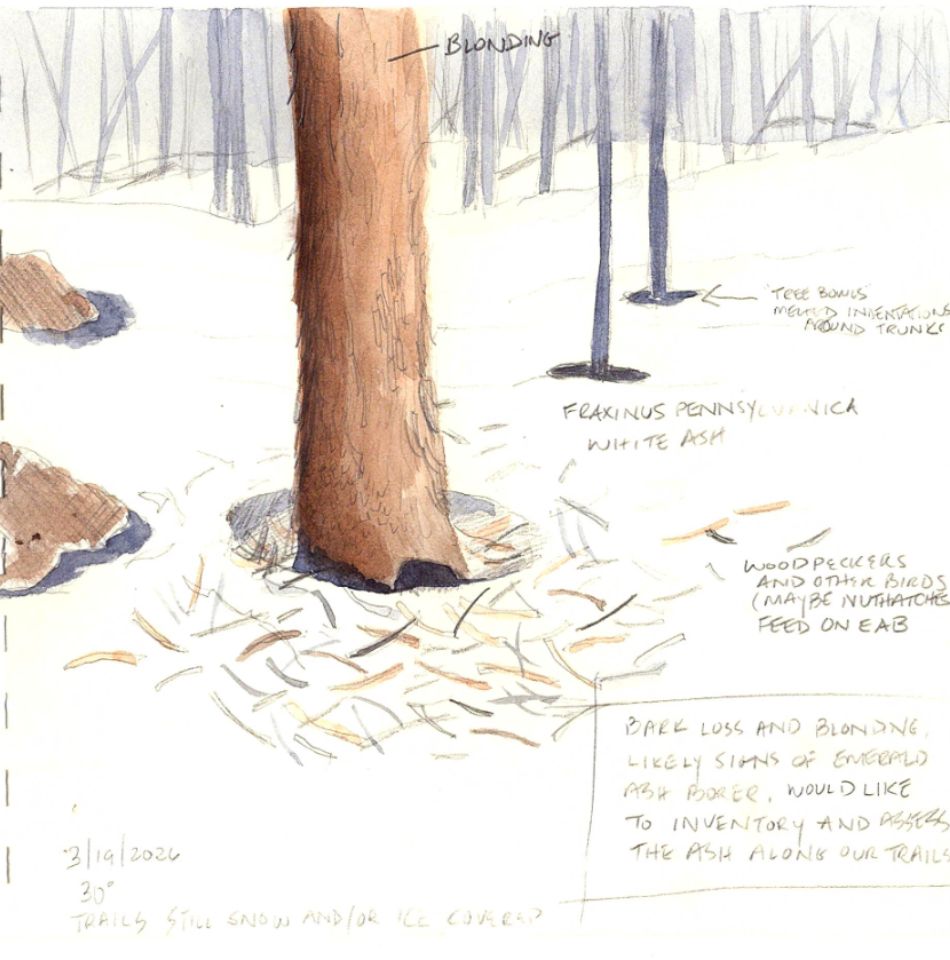
“I aspire to maintain a daily journal practice, exploring a different focused Nature observation in writing and art every single day, but I am also learning to embrace that I might not—and don’t have to—record an entry every single day. Some days I paint a watercolor, take a photograph, or fill in some details on a calendar square. Some days I just watch and experience Nature without feeling any need to record or collect my observations at all.
“At first I was hard on myself for the big gaps between my journal entries. But then I realized that those gaps don’t impact the value of the entries that are there. When I shift medium or format, or take a break altogether, I never stop benefitting from the learning I did when I was journaling regularly. That learning, for me, is the ultimate purpose of the exercise.”
Tracking Seasonal Patterns with Jason Mazurowski, Wildlands Ecologist
“My favorite thing about studying the natural world is the mind-boggling, eye-opening feeling that comes with uncovering a new ‘layer’ of the story. Imagine you’ve spent your entire life listening to birdsong, but it has existed only as background noise—like the soundtrack to a film. Then one day you add intention to your listening by trying to notice which birds make which sounds, and it’s as if someone has turned up the volume. Suddenly, what was one background noise is now a complex symphony. This simple act of “noticing” has become a daily ritual in my life: part meditation, part observation, part recreation.
“The practice of putting that noticing ‘on paper’ has taken many forms over the years, nearly all of them unconventional. Often, my most interesting observations happen unexpectedly: while scrambling through the backcountry or heading out on a daily run. Characteristically, I’m without a notebook or a high-quality camera, so I’ve always had to adapt and improvise ways to document what I encounter. These improvisations include everything from voice memos to grainy flip-phone photos of animal scat. I’ve tried many times to keep diligent written logs filled with careful notes and illustrations, but over time those journals and drawings would end up scattered across my desk, tucked onto bookshelves, or sealed in boxes never unpacked between moves. Apparently, I lack the discipline and organization of early naturalists like Thoreau, who had little choice but to rely on such meticulous methods.
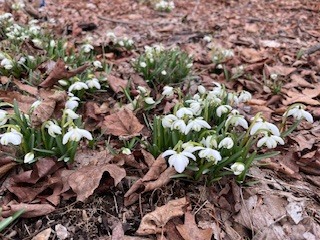
“Each spring, when my eyes were eager to spot anything colorful, I found myself wondering about the timing of seasonal events: the first mourning cloak butterflies and mining bees, the emergence of spring ephemerals. ‘This seems awfully early for hepatica to bloom,’ I’d think—before marching off to try to remember which notebook held last year’s observations.
“Eventually, it occurred to me to transcribe my notes into a Google Doc. This way, everything lived in one place, and a simple ‘Control-F’ search could surface whatever I was looking for. Over time, that document evolved into something more like a sandbox—a place where I dumped not only natural history observations, but also the creative thoughts they sparked throughout the day. It became a nature journal, a diary, and a repository for loose creativity.
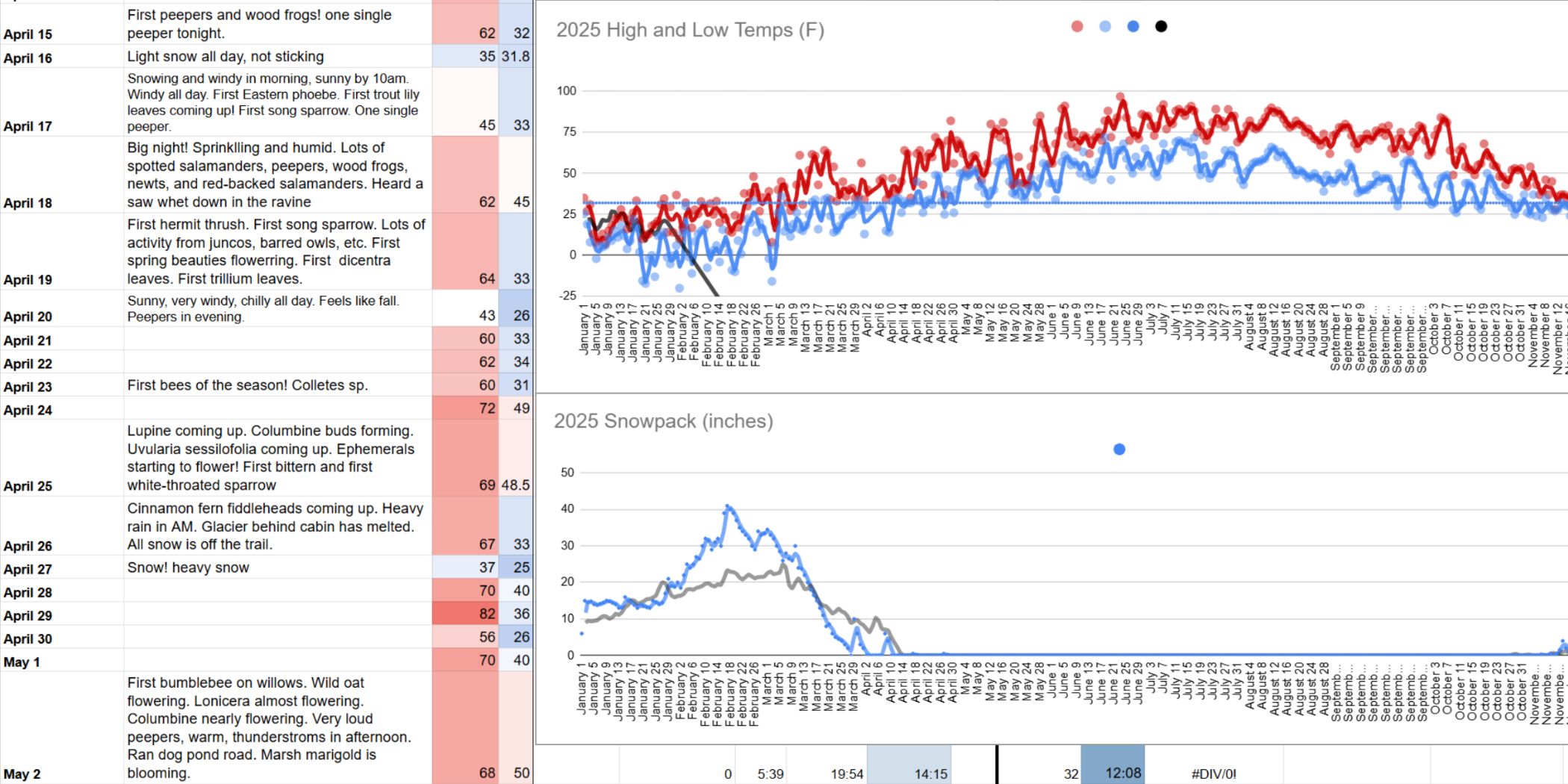
“As I became a landowner tethered to a specific place for a longer stretch of time, I wanted a bit more structure in my daily observations. I began tracking daily temperatures, snowpack depth, and precipitation at my house, allowing me to compare seasonal milestones from year to year. The ‘sandbox’ became a series of annotated spreadsheets that are now quite intelligible. When it feels like ‘the woodcocks have arrived earlier this year,’ I can flip back through my spreadsheets and see exactly when they arrived in previous years—and under what conditions.
“Is this a creative endeavor? I think so, even if it just looks like math. Eventually, patterns emerge, some rather unexpected, spawning new questions I’d never thought to ask. Over years of refining this practice, I’ve discovered that it really doesn’t matter how you journal, or why, but the end result for me has always been a richer, more complex relationship with the natural world.”
Week One Prompts: Food
- Phenology: Note first signs of animals emerging from hibernation
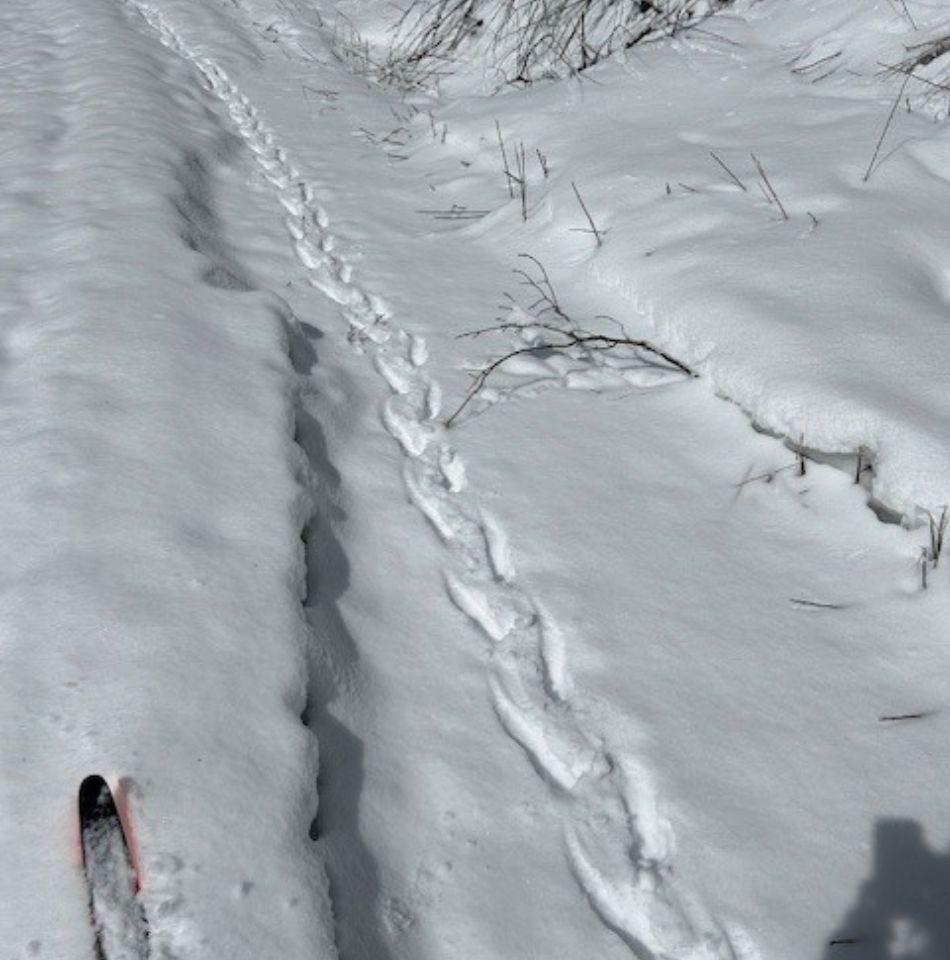
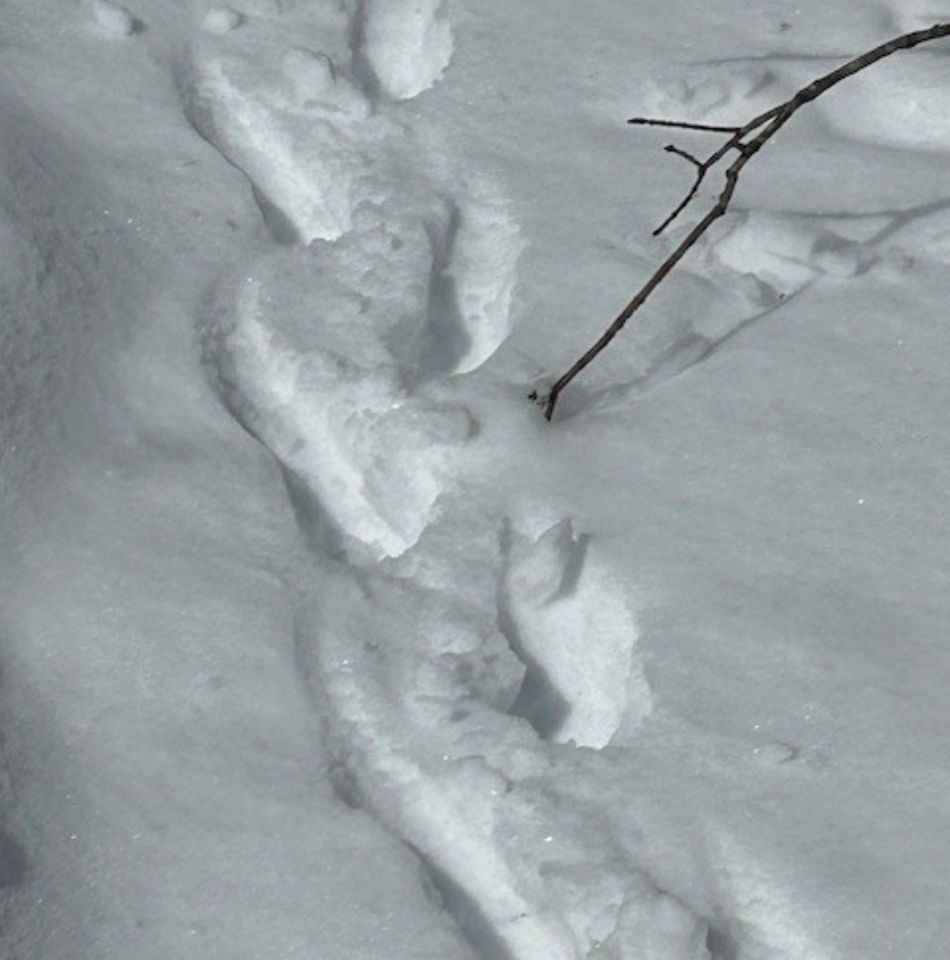
- Study tracks in mud or sticky snow. How many can you identify?
- Look for three things animals are eating right now. Who is eating them, can you tell?
- Look at aspect and snow pack. Where does snow hang on late; where does it melt first?
- Explore the subnivean. Can you see where rodents have been traveling under the snow? Where were they going?
- Find a wet spot. Who has visited? How does it compare to the ground around it?
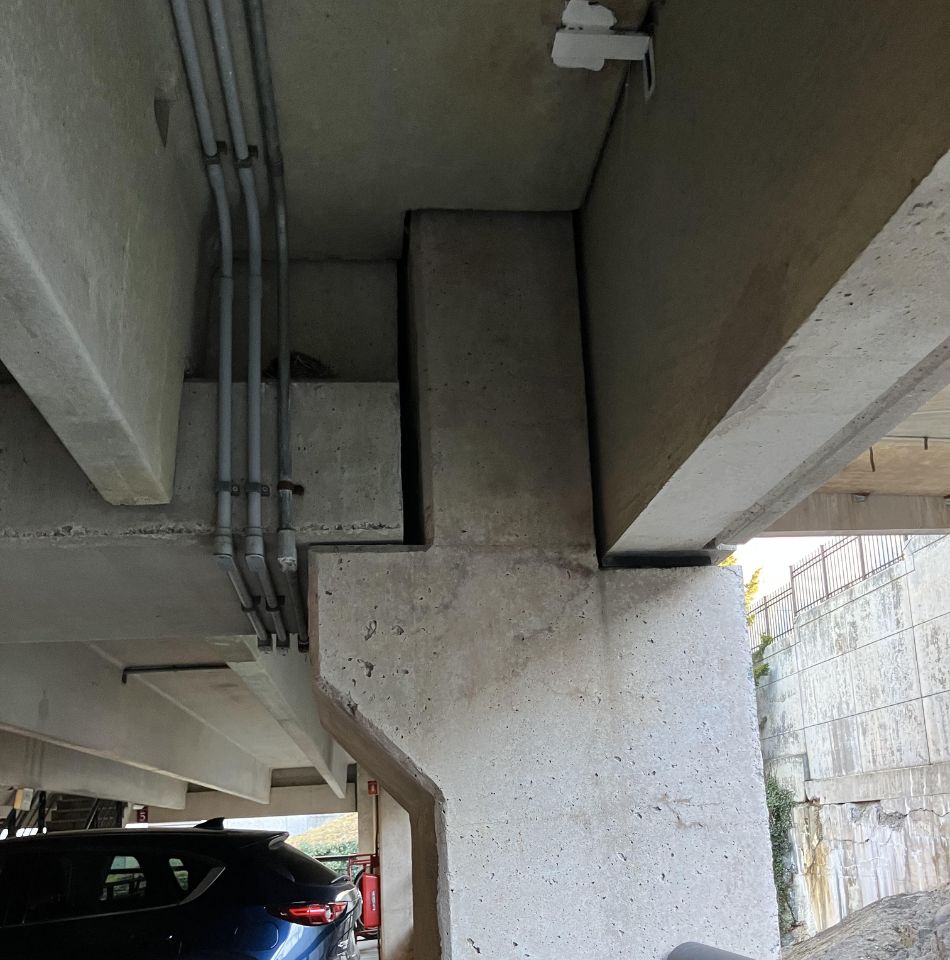
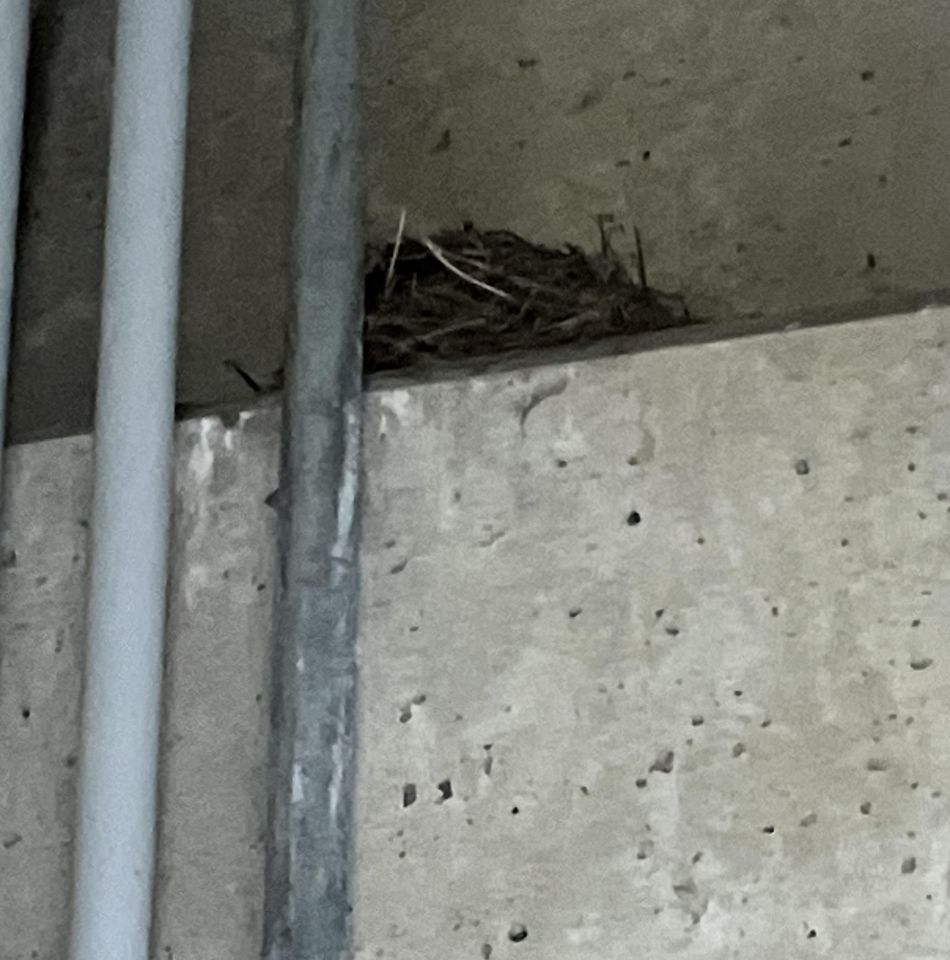
- Look for animal sign other than tracks: browse, bark, nests, burrows.