242 Acres Permanently Protected in Vermont’s Northeast Kingdom
A version of this press release first appeared as “New public preserve in Maidstone features rare orchid, carbon-trapping fen” in Vermont Public on April 29, 2026.
MAIDSTONE—When Carolyn Mulliken’s mother, Phyllis Fox, passed away three decades ago, she bequeathed to her daughter a 242-acre parcel in Maidstone. But this bequest was more than a piece of land: it was the legacy of Carolyn’s brother, Keith Fox, who bought it in the late 1960s. Before his death the following decade, he relayed his wish that the property remain a refuge for wildlife. Now, Carolyn and her daughter Ellen have honored his memory by donating the land to Northeast Wilderness Trust, a Montpelier-based regional land trust that has ensured the parcel stays forever-wild with the establishment of Hawk’s Nest Wilderness Preserve.
“My brother purchased this land in Maidstone, Vermont with the intention of creating safe habitat for the wild animals of the area,” said Mulliken. “Following his death, it became more difficult to properly oversee the property. After doing some research, we decided that donating this land to Northeast Wilderness Trust would be the best option to ensure my brother’s wish that it would remain a refuge for wildlife.”
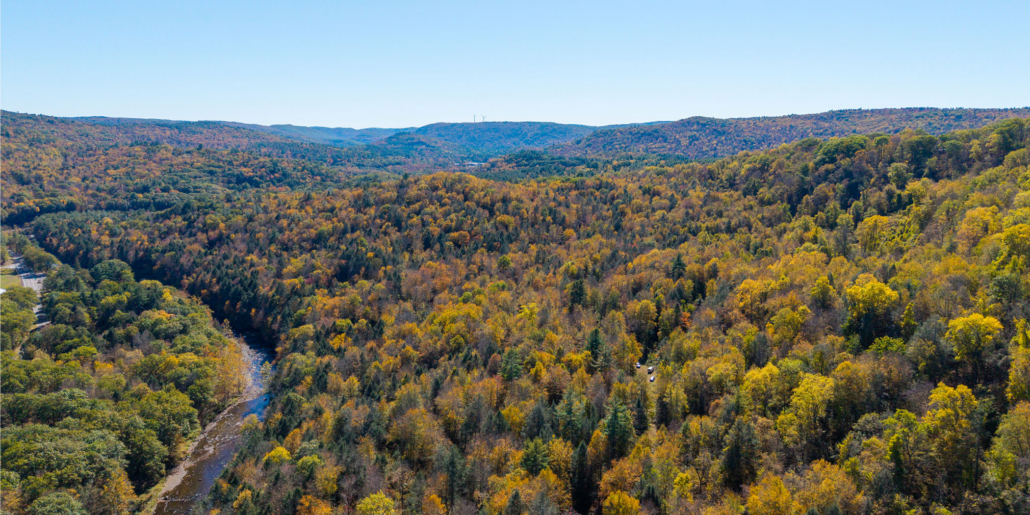
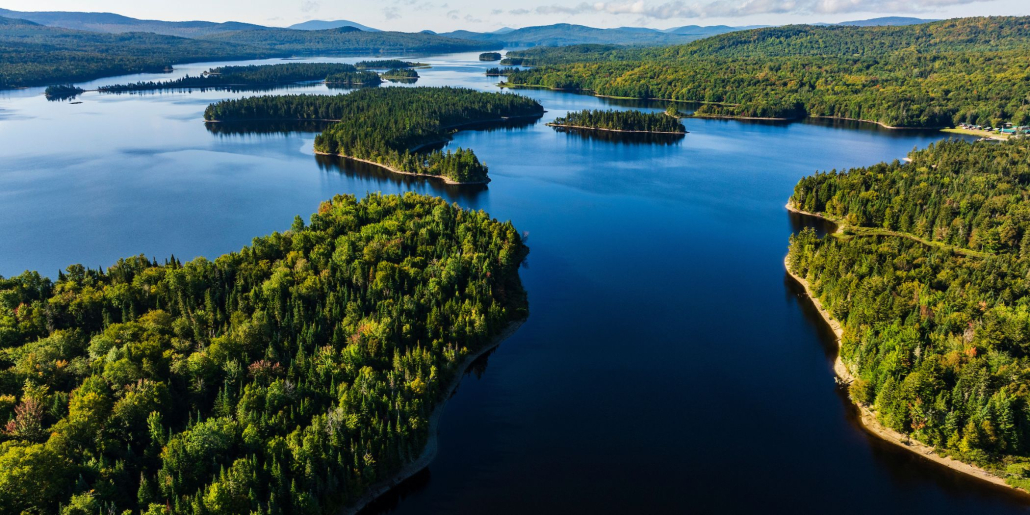
More than half a century after Keith purchased the property to safeguard its ecological treasures, a broad diversity of life glitters here. Forests of varying ages provide habitat for a sweep of species, including American Goshawks, a raptor species listed as uncommon in Vermont. Elsewhere on the Preserve, streams and more than eight acres of wetlands serve as homes for aquatic plant and animal species.
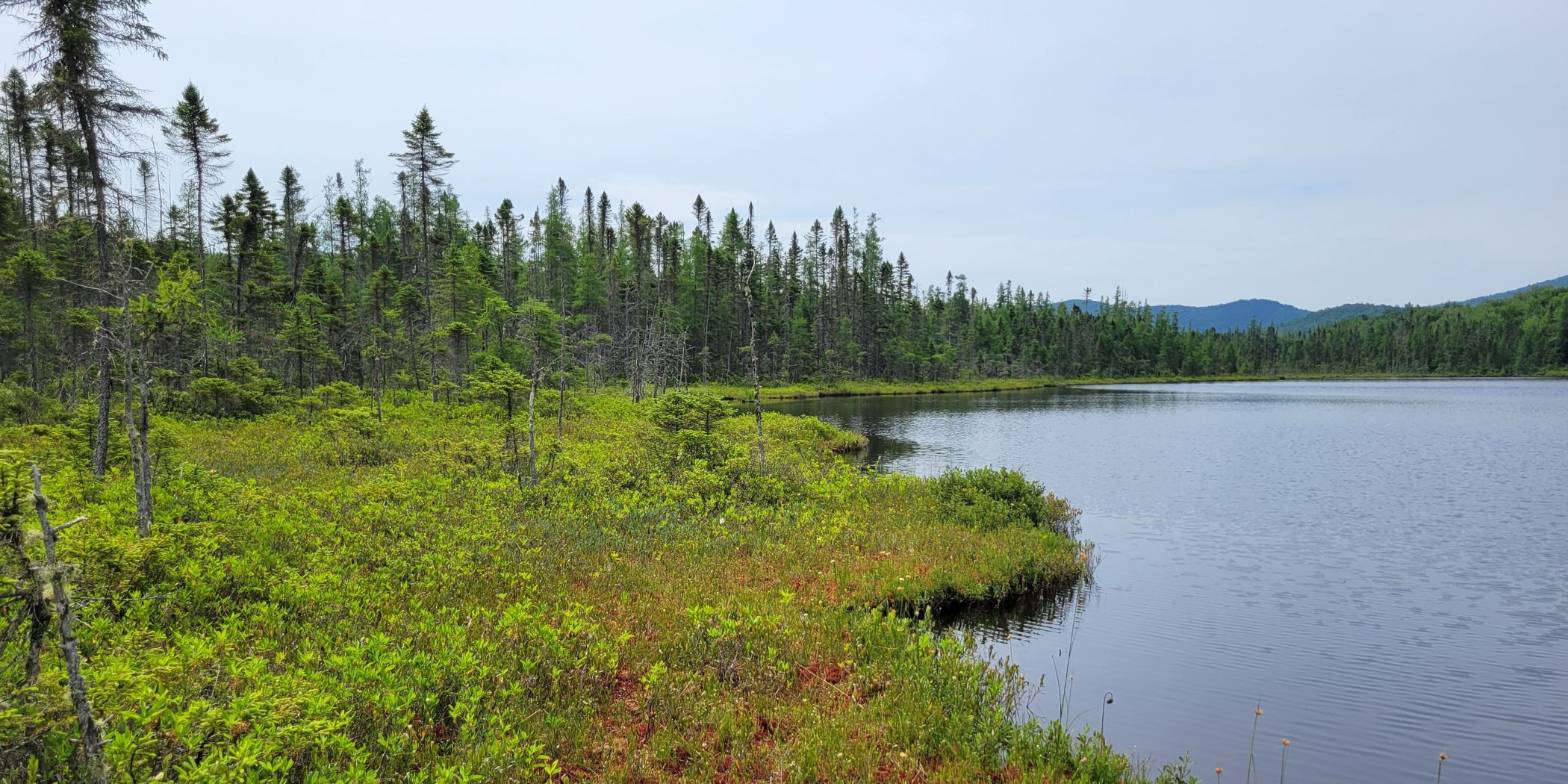
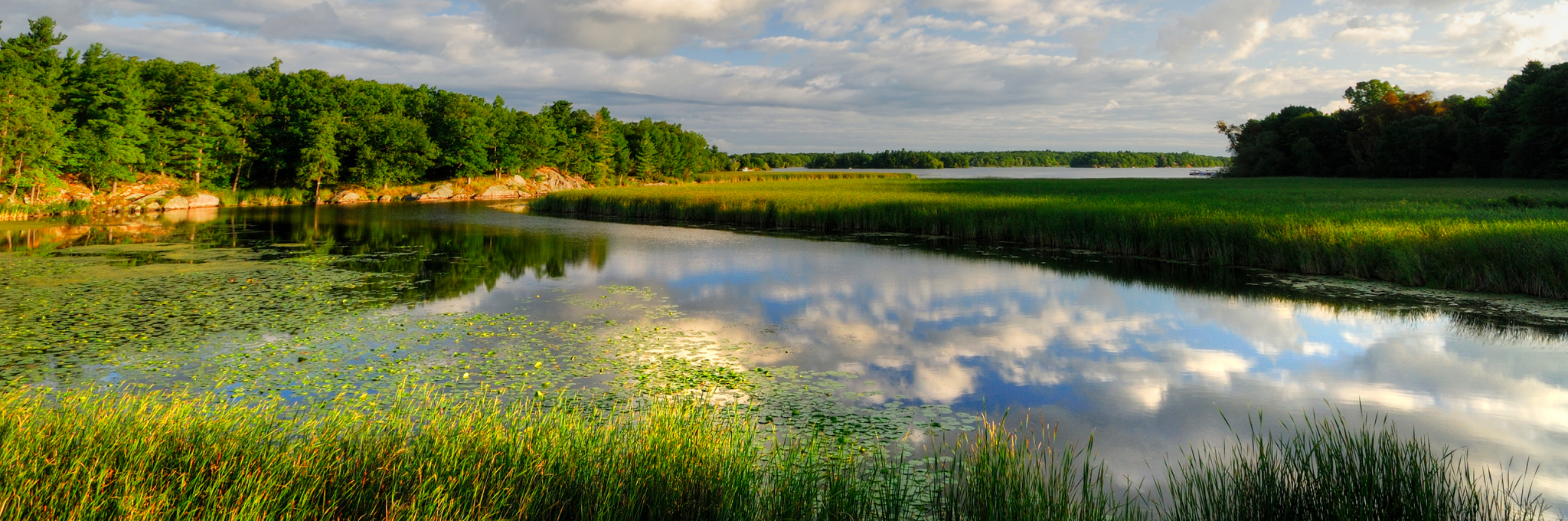
Nestled among this landscape is an ecological rarity for Vermont: a Poor Fen. While it might sound like a corner of Winnie the Pooh’s Hundred-Acre Wood, this is really a unique ecosystem characterized by sphagnum mosses and bog-loving plants like sheep laurel, sundew, and white-fringed orchid, the last of which is classified as a rare species in Vermont. The Poor Fen sits on the shore of Dutton Pond, which the property partially encompasses. The pond itself is another hotbed of life, buzzing with dragonflies and other water-loving organisms. Keith surely recognized the property’s incredible biodiversity when he bought the land, fueling his dream of protecting it in perpetuity.
Northeast Wilderness Trust’s conservation model is a perfect fit for Keith’s aspiration. The property will enjoy two layers of legal protection: ownership by the Wilderness Trust, and a forever-wild conservation easement to be held by a partner land trust. The easement is an extra step that the Wilderness Trust takes on all the lands it safeguards to guarantee durability in the long term, an indispensable aspect of a long-term conservation goal such as Keith’s.
Carolyn and Ellen’s choice to donate the land, when they could have sold it to a developer, is both a testament to their commitment to realizing Keith’s vision and a win for wilderness, which remains scarce across the Northeast. Wild places are those where natural processes direct the ebb and flow of life. They sustain biodiversity, store immense amounts of carbon, and offer solace to humans, and yet not even four percent of Vermont is protected as such. Meanwhile, upwards of 12,000 acres of the state’s forestland—85 percent of which is privately owned—falls to development each year. These landscape dynamics make landowners like Carolyn and Ellen critical in boosting Vermont’s wilderness acreage and helping the state meet its conservation and climate targets.
“Private land conservation is essential to securing a bright and resilient future for Vermont’s wildlife and ecology—and thus, essential for us, too,” said Jon Leibowitz, President and CEO of Northeast Wilderness Trust. “A key pillar of this conservation strategy (and one of my favorite parts of this job) is working with partners who demonstrate a profound care and respect for their land and the many creatures who call it home. I can think of no better embodiment of these values than Carolyn and Ellen. It is Northeast Wilderness Trust’s honor to establish Hawk’s Nest Wilderness Preserve and to fulfill Keith’s hope that the property would persist forever as wilderness: a permanent haven for goshawks, geese, and green frogs alike.”