
A Hub for Materials on Wilderness and Rewilding
Robust, peer-reviewed research informs much of Northeast Wilderness Trust’s work, shaping everything from our selection process for land conservation projects to our approach to passive management on our lands. More than that, the materials below, from quantitative studies on carbon storage and biodiversity restoration to lyrical essays and philosophical defenses of the idea of wilderness, help answer the question at the core of Northeast Wilderness Trust’s mission: Why wilderness and rewilding?

Featured Northeast Wilderness Trust Resources
“Wildlands in New England: Past, Present, and Future”
The report “Wildlands in New England: Past, Present, and Future,” co-authored by Northeast Wilderness Trust, Highstead Foundation, Harvard Forest, and Wildlands, Woodland, Farmlands and Communities, is the first study of its kind to map and describe the Northeast’s forever-wild lands, which comprise just 3.3 percent of the region. It is an urgent call-to-action to advance and accelerate Wildlands conservation. The study presents clear, actionable steps to protect more Wildlands and argues for the benefits they deliver for carbon storage, biodiversity, ecological resilience, and the health of the people and wildlife that call New England home.

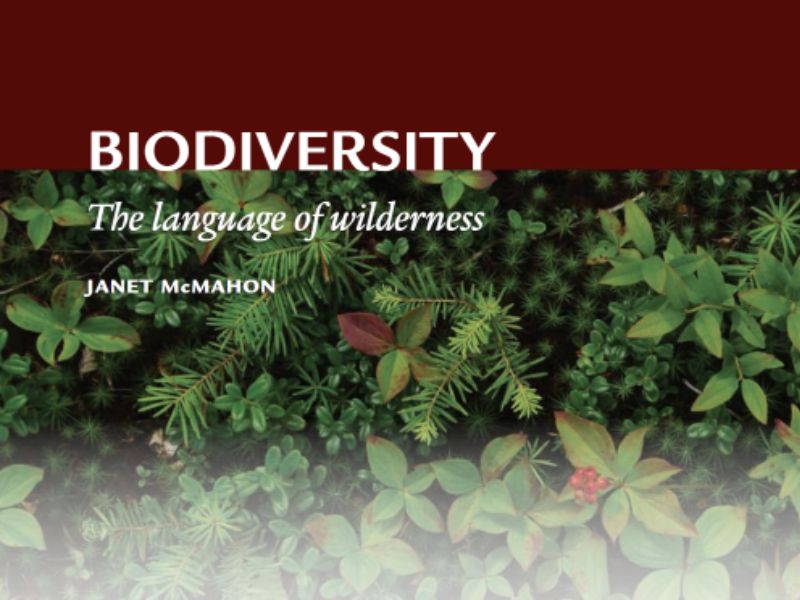
Wild Works
Wild Works is Northeast Wilderness Trust’s signature paper series. Each Wild Works report, authored by an expert in the relevant field, collates and summarizes cutting-edge science on a wilderness topic relevant to Northeast Wilderness Trust’s work. The series covers subject matters including carbon storage and species richness in unmanaged forests.
Northeast Wilderness Trust’s Wildlands Ecology Research
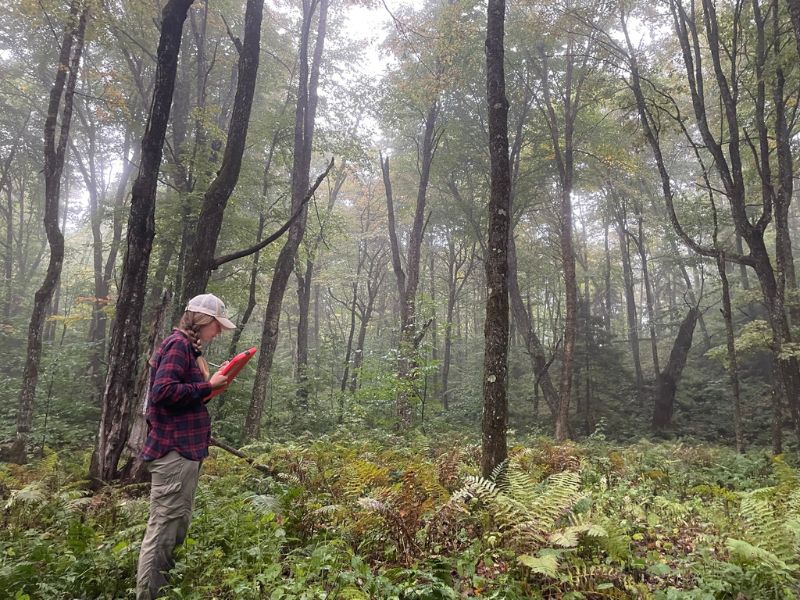
Our Wildlands Ecology team conducts in-house research on our forever-wild preserves and easements. Projects range from a short-term study on wildlife usage of coarse woody debris to long-running ecological sampling of forest research plots across the Northeast.
Featured Peer-Reviewed Studies on Wilderness
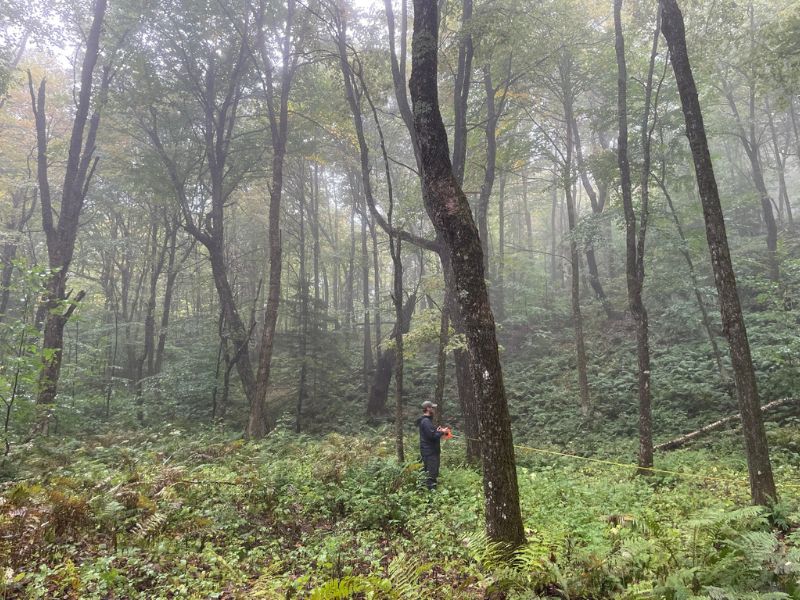
Research Summary: The Importance of Structurally Complex Forests
This external paper assesses whether canopy structural complexity could predict the net primary production (NPP) across temperate forests....
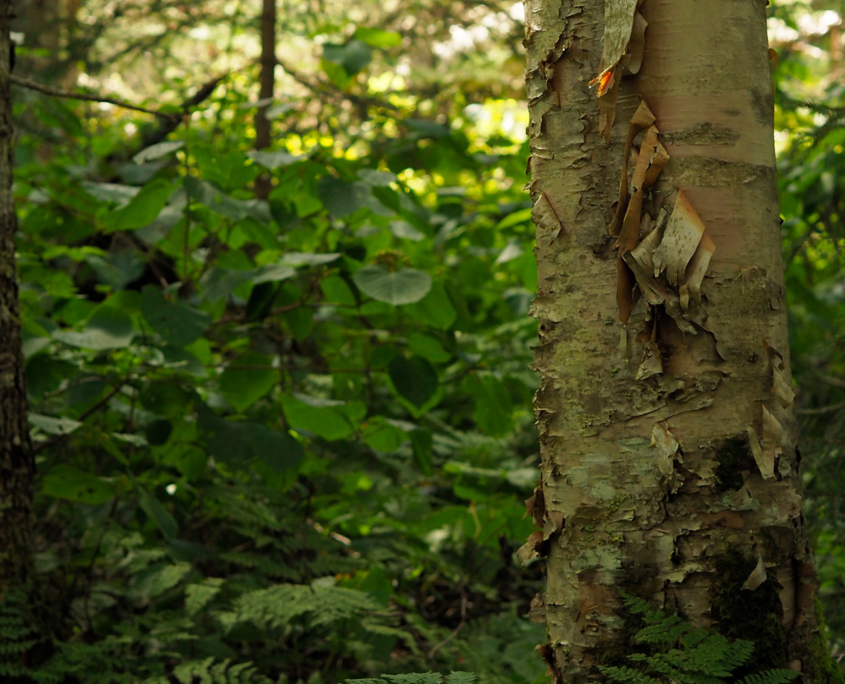
Research Summary: Forest Structure Diversity Depends on Age and Management
This external study analyzed forest structural features, which provide homes for forest-dwelling species, as proxy measures for biodiversity....

Research Summary: Increased Carbon Storage of Wildlands
This external study compares wildlands to nearby managed forests that are comparable in size, climate, and geographic setting....
Research Summary: Indigenous Land Zones and Wilderness
The authors of this external paper present evidence suggesting that the idea of self-willed land existed within Indigenous cultures....

Books and Essays on Wilderness
Even though wilderness has received comparatively less attention than other forms of conservation, there is a rich tradition of scientists, practitioners, and writers arguing persuasively for the necessity of wilderness conservation. These works have helped popularize wilderness values among a wider audience and have shaped government conservation policy for a century or longer.
Contact Us
Contact our Wildlands Ecology team at ecology@newildernesstrust.org to learn more about how scientific research supports Northeast Wilderness Trust’s conservation work.