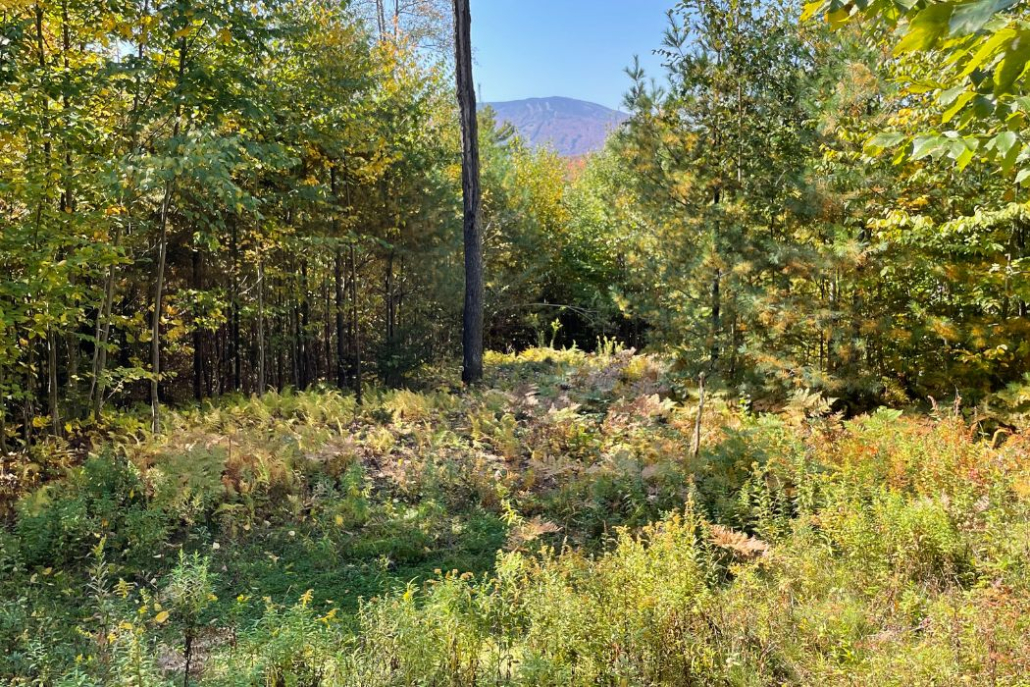
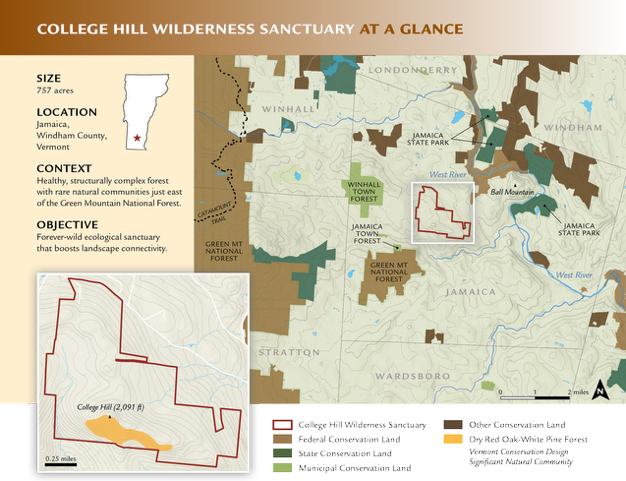
College Hill Wilderness Sanctuary spans 757 acres in Jamaica, Vermont.
Preserving a rare gem in a rapidly developing area.
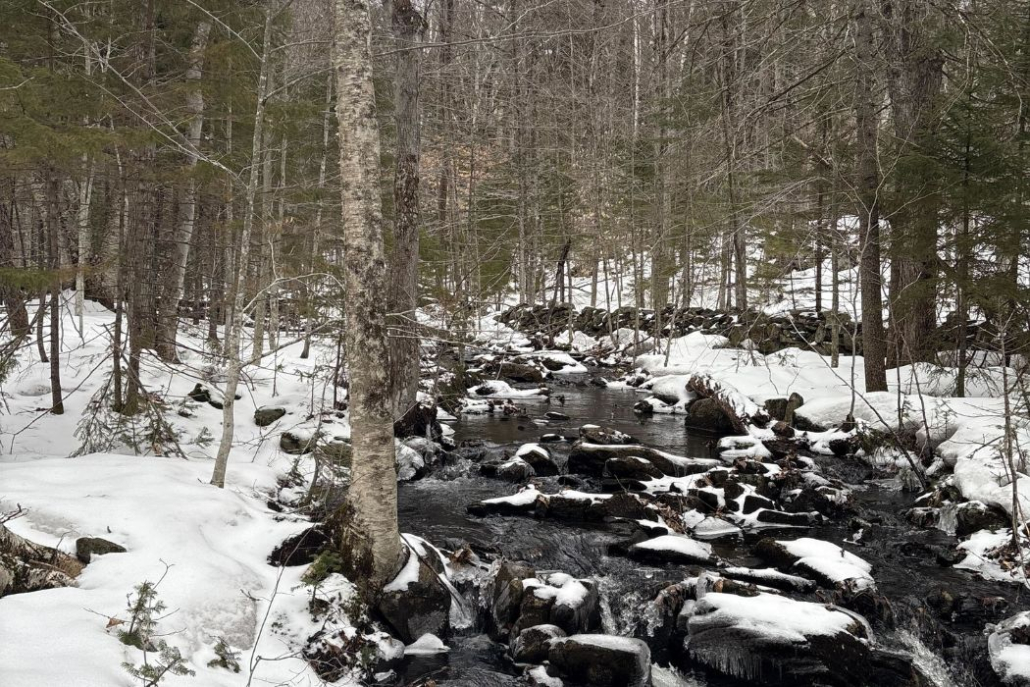
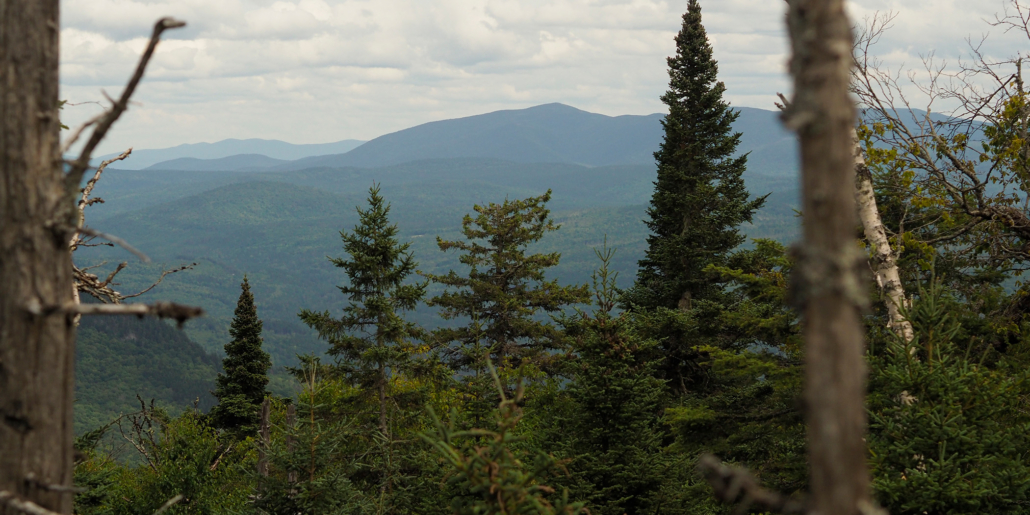
The College Hill Wilderness Sanctuary’s namesake summit offers more than just a view. On this 2,091-foot peak lives a rare natural community, Dry Red Oak-White Pine Forest, underrepresented in wilderness conservation in the Northeast. Down the slopes and around the Sanctuary’s nearly 760 acres are also a rich tapestry of older forest, clear streams, and prime habitat for many wildlife species.
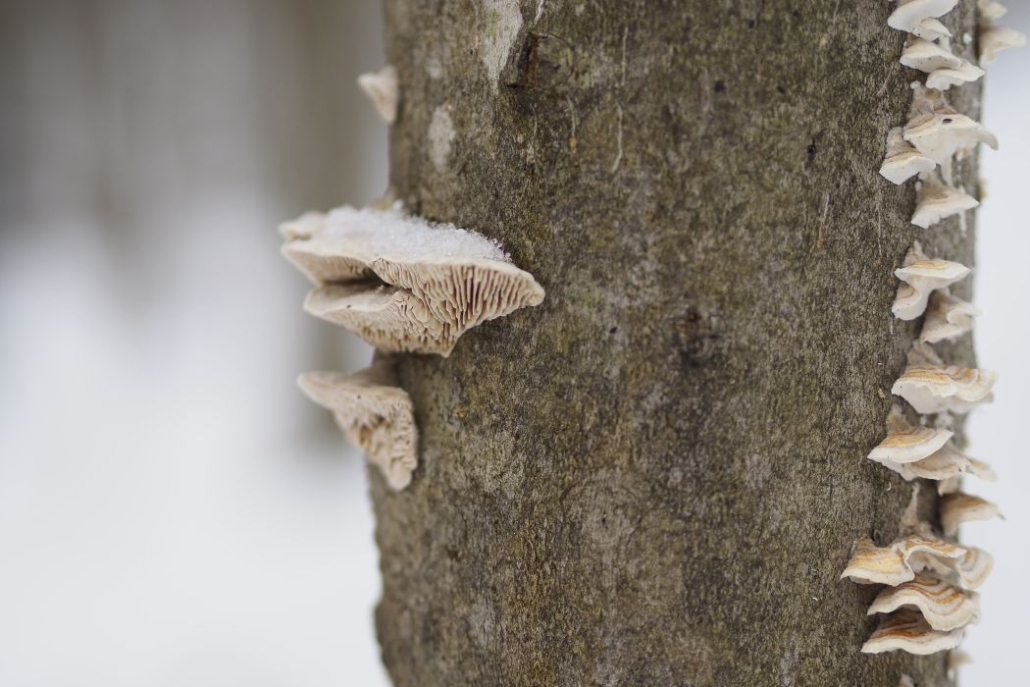
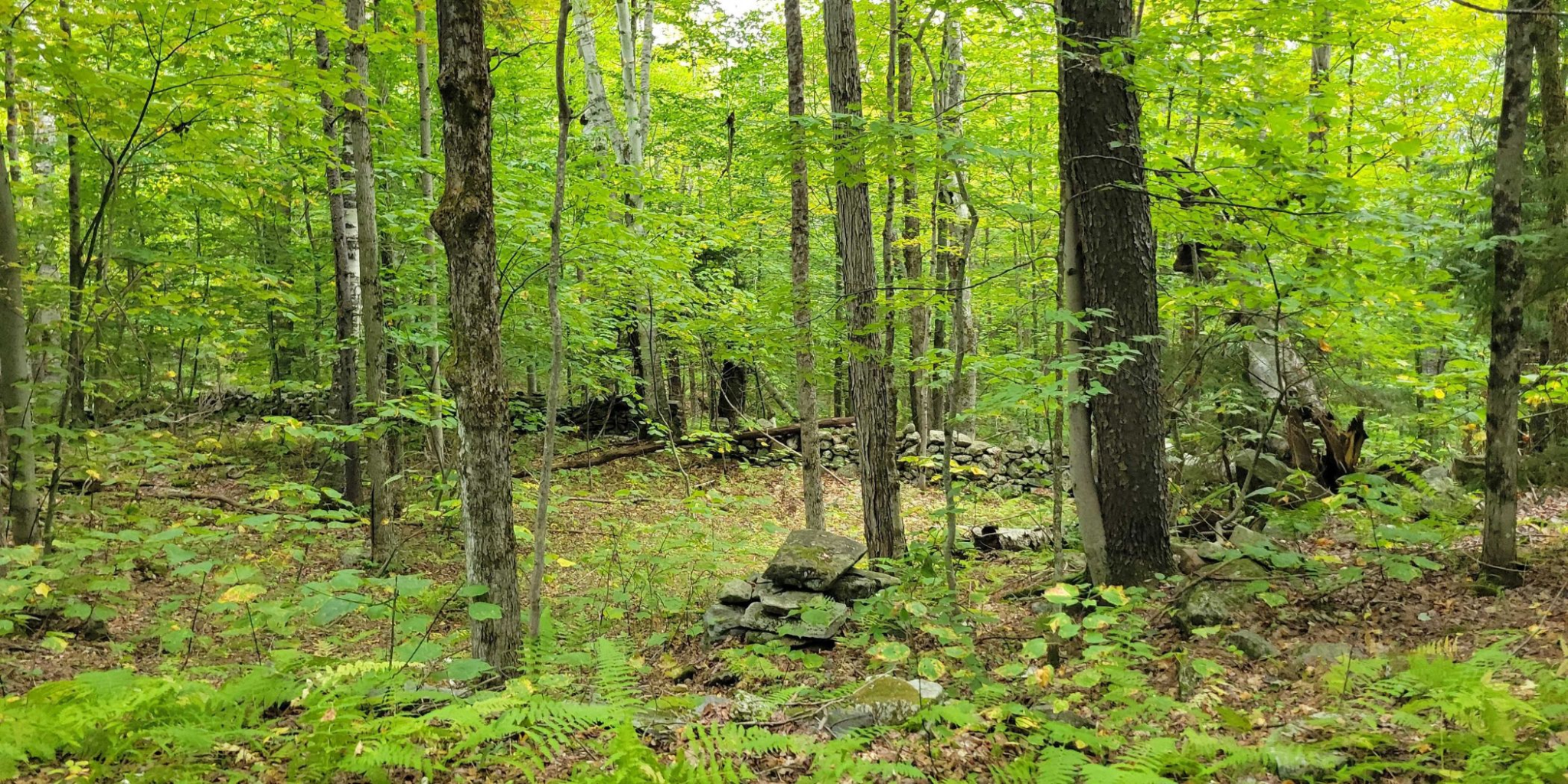
The vast majority of this land has not been logged for more than seven decades—a rarity in an area subject to increasing development pressures. The result is a remarkably intact and structurally complex forest for the region, one well on its way to the ecological and structural complexity characteristic of the old-growth forests that Vermont—and the Northeast—are sorely lacking.
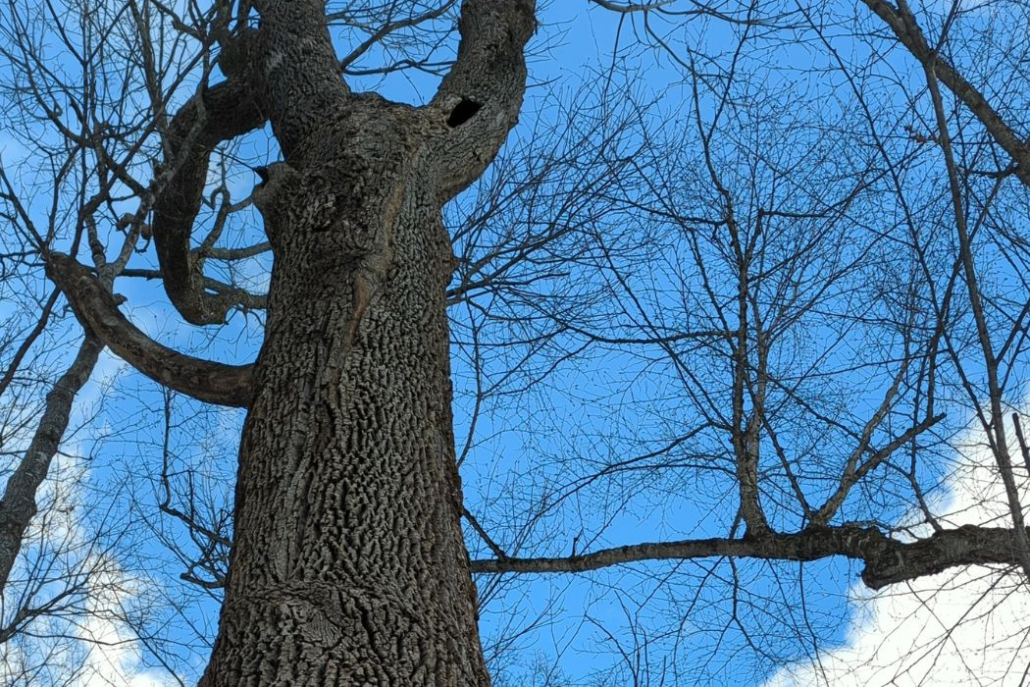
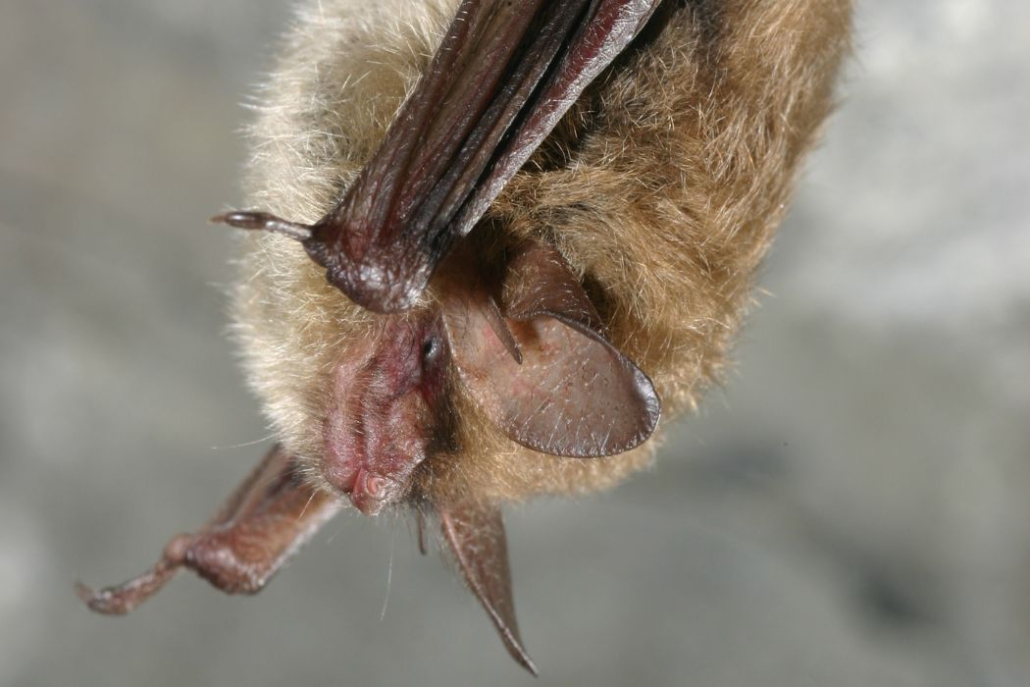
These healthy forests provide needed habitat and forage for a variety of wildlife. The property’s red oaks and American beeches produce nuts (mast) for species like black bear, turkey, and Blue Jay. The property is also within an area mapped by the State of Vermont as habitat for the northern long-eared bat and tricolored bat, both of which are categorized by the federal government as endangered species. College Hill’s mature and shaggy-barked trees provide these species with roosting and denning sites, which will only increase in number as the forests here grow old and more complex—another example of the ways forever wild conservation benefits sensitive wildlife that rely on intact, undisturbed ecosystems in which to live and raise their young.
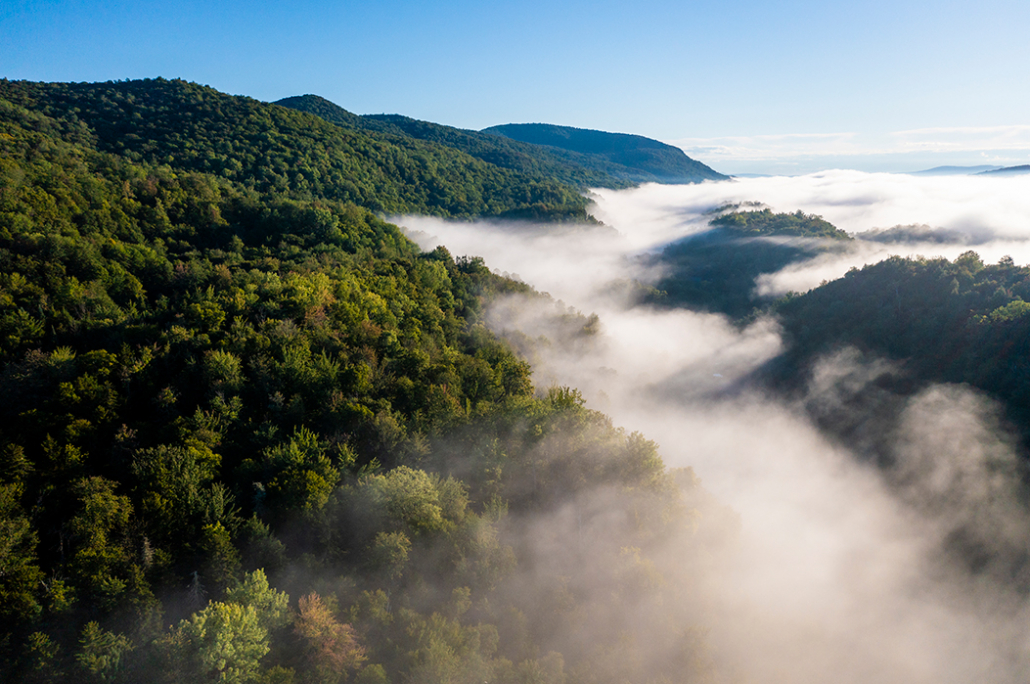
College Hill’s conservation merits are impressive in and of themselves—but the project’s ecological significance flows beyond its borders. The property sits in a region identified by Vermont Conservation Design as the highest priority for conservation due to its potential to boost landscape connectivity and interior-forest habitat.
One look at College Hill’s surroundings makes clear why. To the west of the Sanctuary is the expansive Green Mountain National Forest, which connects the southern portion of the state with other conserved lands in central and northern Vermont. The College Hill Wilderness Sanctuary would extend protections to an underrepresented, vulnerable mid-elevation ecosystem while adding a crucial piece of core protected wilderness at the southern end of this conservation corridor. That connectivity is especially critical in a changing climate. Wide-ranging species that call Vermont and the Northeast home—including wildlife like moose and bobcat—need a robust network of conserved lands to move across the landscape as they adapt to rising temperatures and shifting habitats. College Hill Wilderness Sanctuary, made forever-wild by Northeast Wilderness Trust ownership and a conservation easement held by Vermont River Conservancy, accelerates this momentum at a defining time for Vermont’s—and the Northeast’s—climate and biodiversity.
Uncommon Plants and Animals Thrive in a Mature Forest
Thanks to a lack of human disturbance over past decades, College Hill Wilderness Sanctuary’s forests are in terrific ecological shape. This has allowed advanced ecological and structural conditions to emerge, a head-start on the path to old-growth forest.
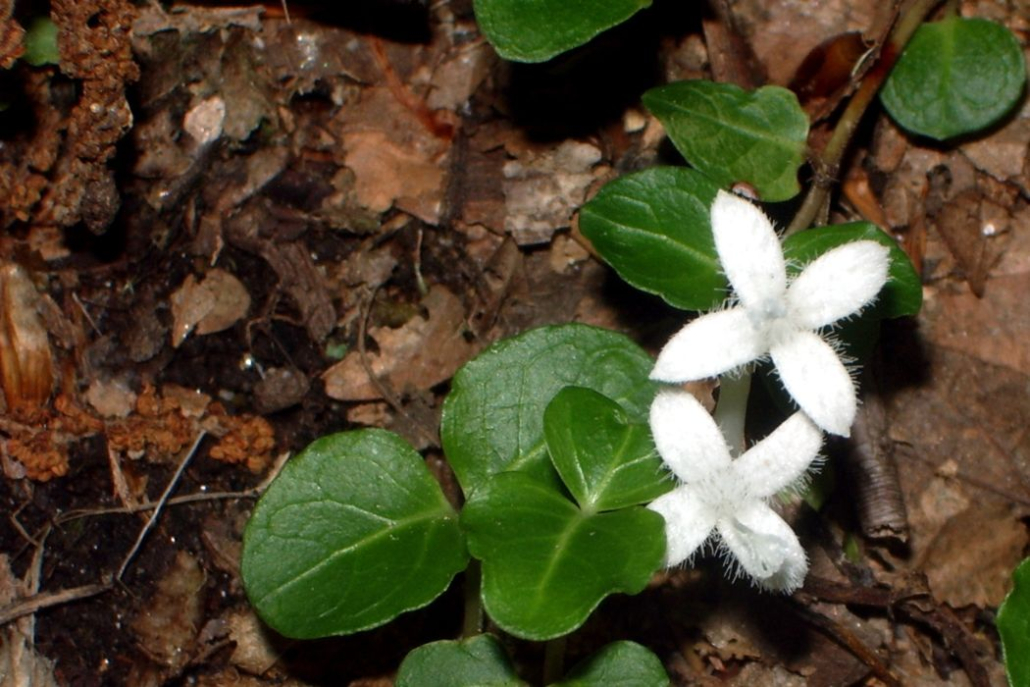
Atop College Hill is a Dry Red Oak-White Pine Forest, a natural community uncommon in Vermont. The milder microclimate on the southern face of the summit gives rise to this area’s red oaks and white pines, as well as red maple and hophornbeam. Beneath these trees lies a shrub layer of species like lowbush blueberry and striped maple, all atop beds of partridgeberry, bracken fern, hawkweed, and more.
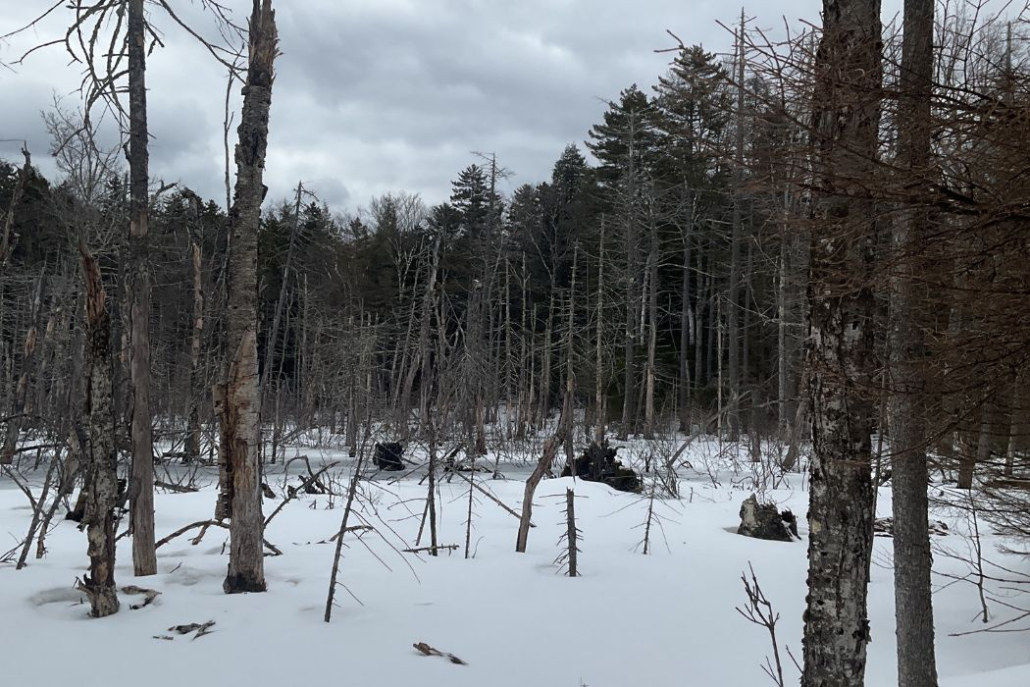
The rest of the property, which was expanded by nearly a third in 2026 with the 170-acre Chickadee Addition, showcases a typical Northern Hardwood Forest landscape, with one standout feature rare for Vermont: structural complexity. The beech, yellow birch, sugar maple, and other trees here are of a large diameter, with shorter lived species dying and contributing to College Hill’s ecologically critical stocks of standing dead snags and coarse woody debris.