Passadumkeag, ME 2,127 acres

A Wetland Wonderland in Central Maine

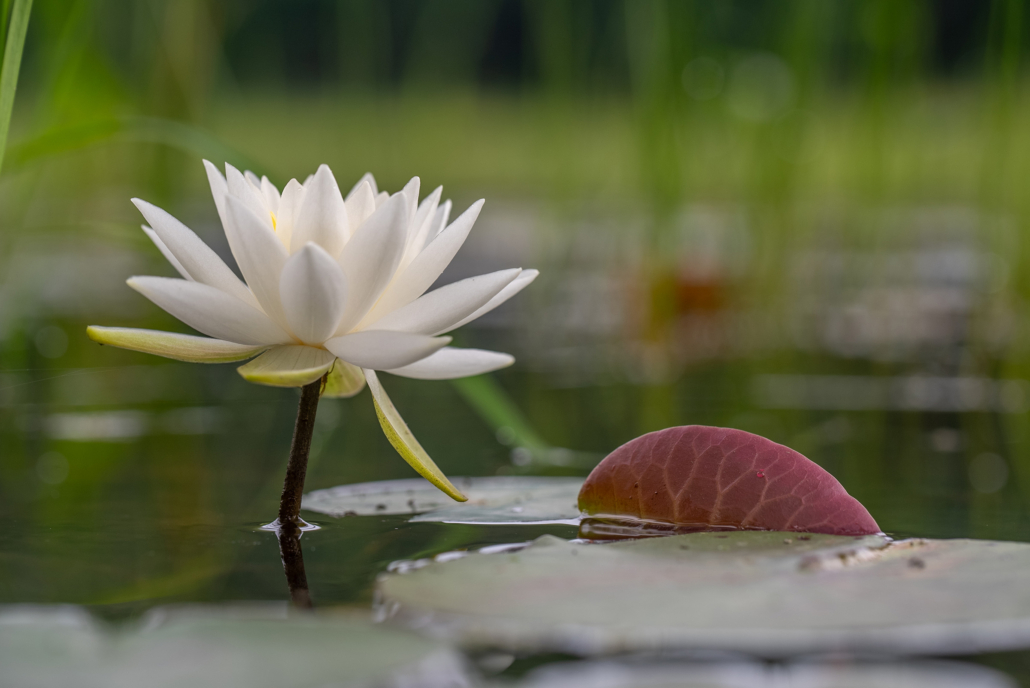
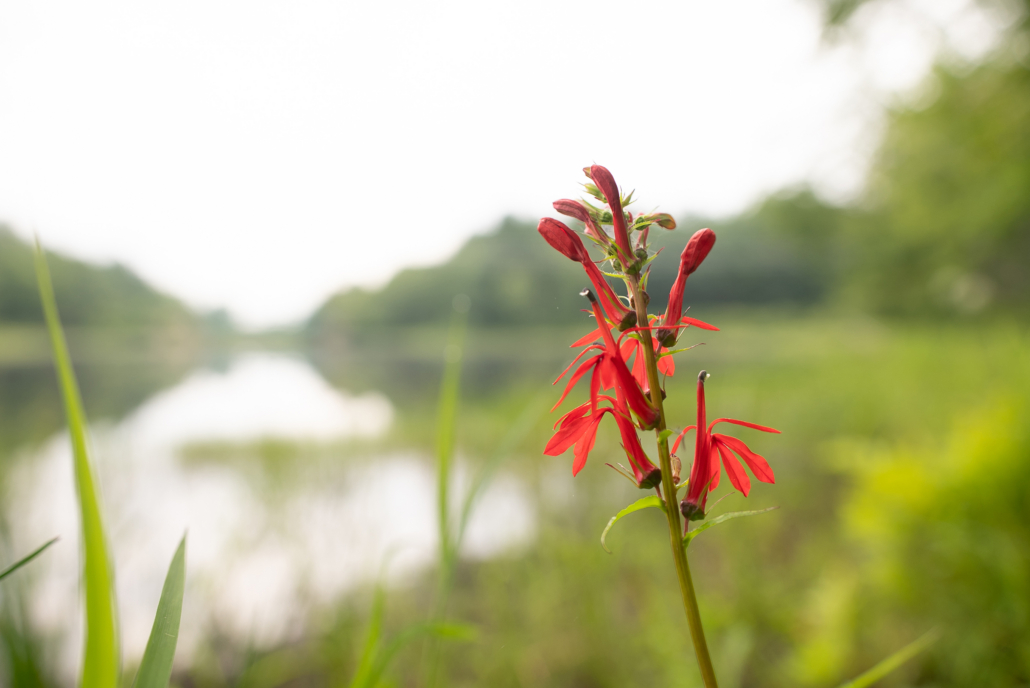
Sometimes referred to as “biological supermarkets” or “Nature’s nurseries,” wetlands are wellsprings of life. They are among the most biodiverse ecosystems on Earth. Across the Northeast, they provide nesting and foraging grounds for bird species like American Bittern, Common Yellowthroat, and Northern Harrier. For human communities, wetlands filter out pollutants, store immense amounts of carbon, slow down floodwaters, and protect drinking water supplies. But these indispensable benefits for both humans and wildlife have not stopped the widespread destruction of these irreplaceable environments.

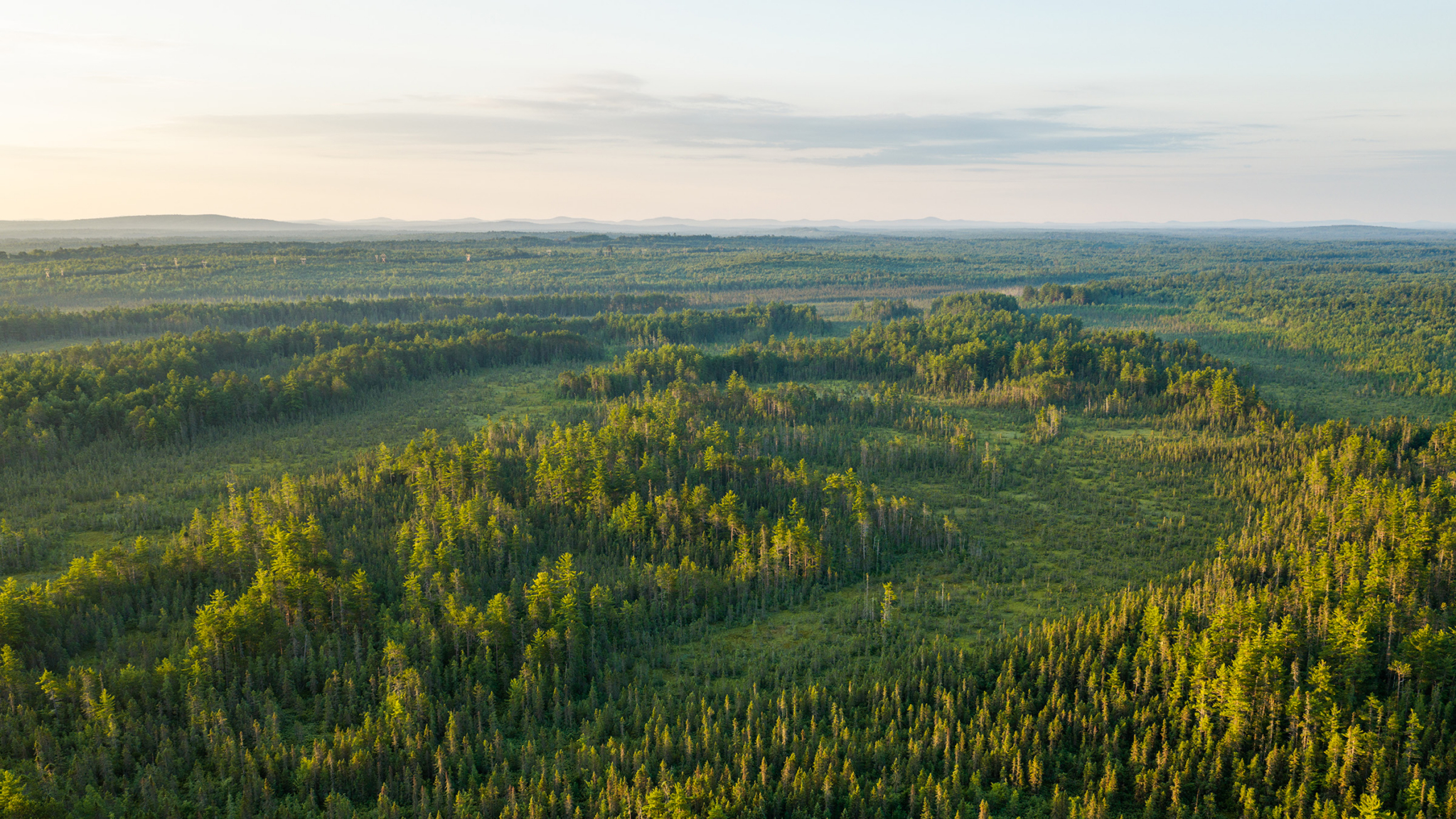
A new project in central Maine offers a chance to tell a more hopeful story: the permanent protection of one of the state’s largest intact peatland ecosystems. The future Thousand-Acre Bog Wilderness Preserve, which will be acquired through a partnership between Northeast Wilderness Trust and The Conservation Fund, will protect as forever-wild more than 1,200 acres of wetlands, greater than a mile of frontage along the Passadumkeag River, and over 1,000 additional acres of upland forest.
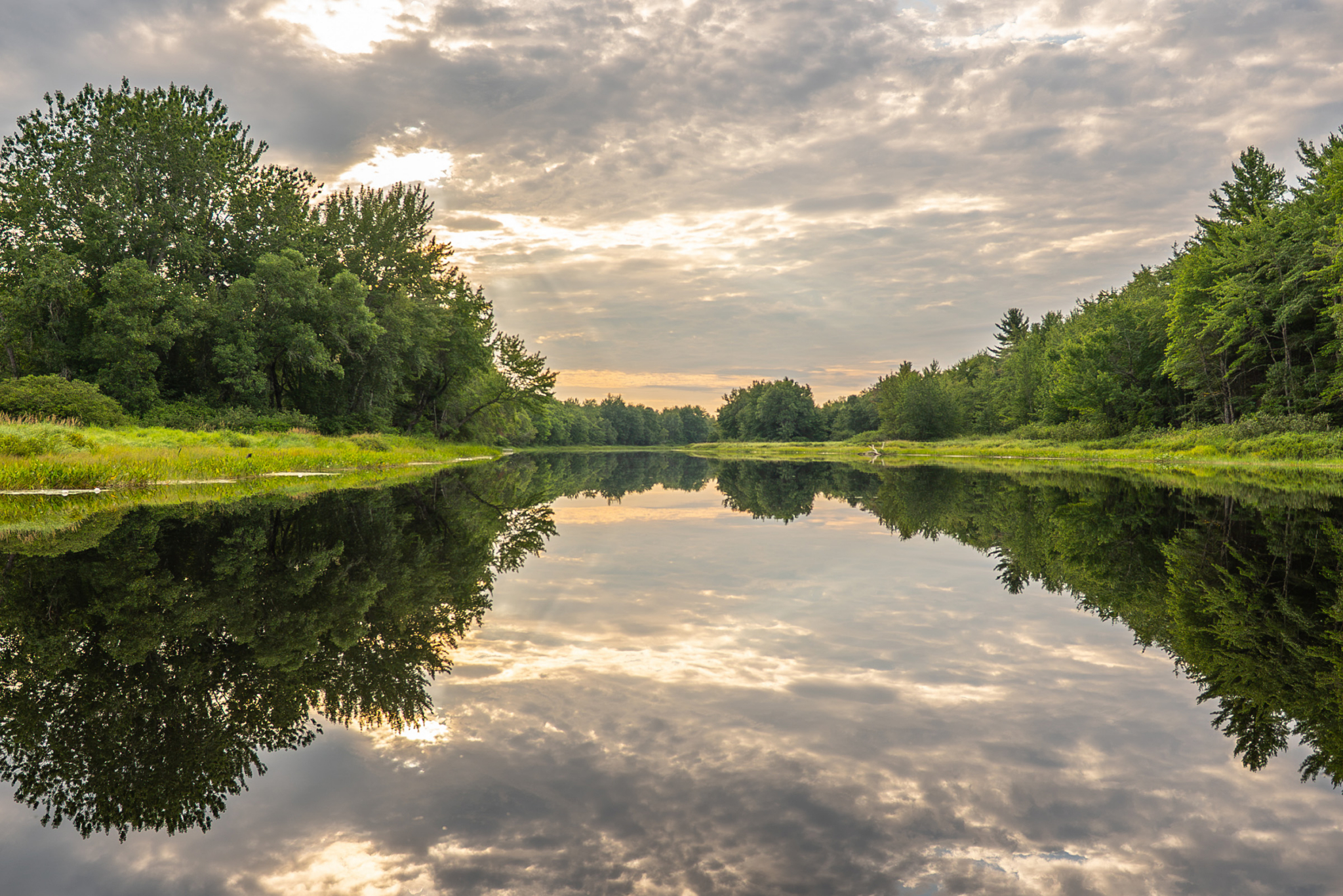
ThousandAcreBog_PassadumkeagRiver_Web

A Fen by Another Name

A vibrant array of plant communities comprises Thousand-Acre Bog. The future Preserve’s namesake wetland is actually an Unpatterned Fen, a type of natural community characterized by an expansive mat of undecayed plant matter (peat) topped by a layer of sphagnum moss. The key difference between bogs and fens is that bogs are primarily recharged by precipitation, while fens are often fed by groundwater. (“Thousand-Acre Bog” is the peatland’s longstanding name among local communities and the State of Maine and will remain so, with the addition of “Wilderness Preserve,” after forever-wild protection by Northeast Wilderness Trust.) Within the larger Unpatterned Fen, similar but distinct plant communities, like Sedge-Heath Fen, Dwarf Shrub Bog, and Leatherleaf Bog, form a gradient of habitats for the future Preserve’s animal and plant life.

Around the edges of Thousand-Acre Bog, where the sphagnum moss is thicker, trees and shrubs predominate. In nutrient-rich pockets of the peatland’s margins, species like red maple and northern white cedar abound, while tamarack and black spruce grow in nutrient-poor areas of these forested wetlands thanks to their ability to thrive in poor soils.

Trees give way to low-growing vegetation closer to the center of the peatland. Here, the sphagnum moss is thinner and dwarf heath shrubs and sedges, from leatherleaf and bog rosemary to few-seeded sedge and narrow-leaved cotton-grass, flourish in the peatland’s open, acidic conditions. According to the Maine Natural Areas Program, the striation of these plant communities “may reflect former channels of the Penobscot River or possibly a legacy of glacial activity.”

An Enduring Home for Common and Threatened Species Alike

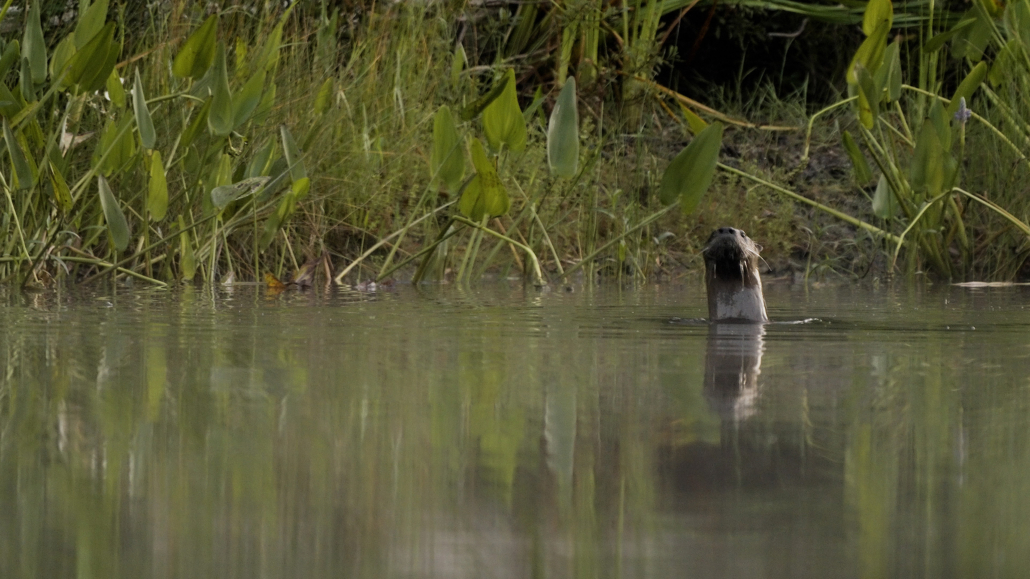
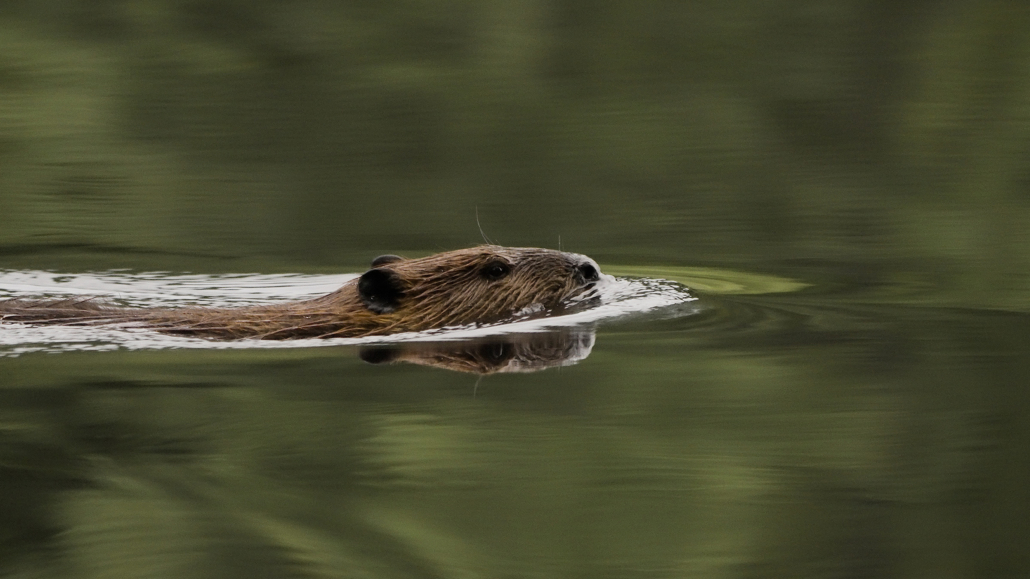
Thousand-Acre Bog’s peatland, its upland forests, and its frontage on the Passadumkeag River support a sweep of wildlife characteristic of the Northern Forest, as well as threatened species. The future Preserve features 150 acres of Inland Waterfowl and Wading Bird Habitat, an area designated by the State of Maine as a vital refuge for ducks, herons, and geese given wetland losses along the Atlantic Flyway. Also within Thousand-Acre Bog’s boundaries are more than 500 acres of mapped Deer Wintering Area. Iconic, wide-ranging mammals like black bear and moose likely depend on this land as they seek food and raise their young.

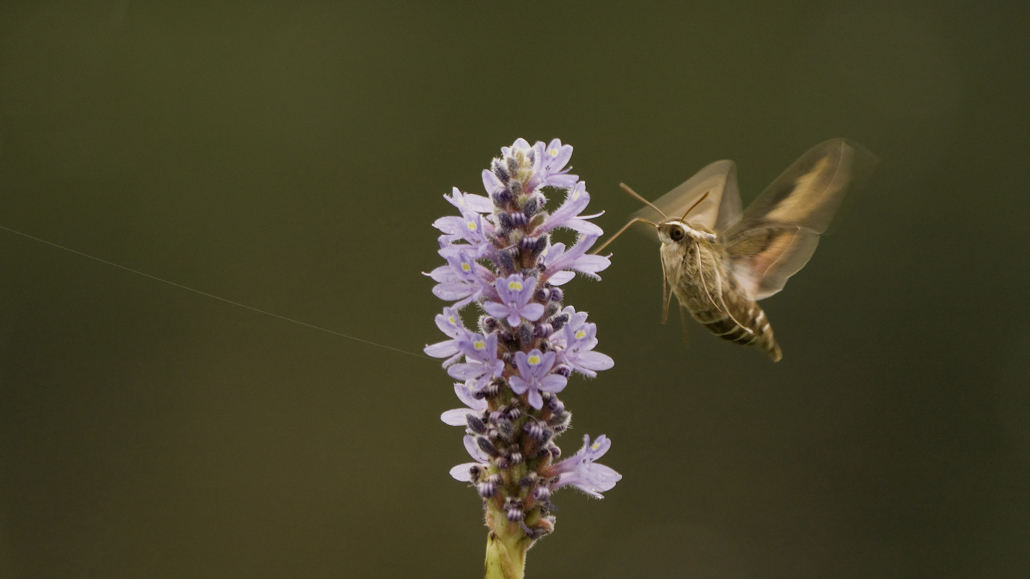
Thousand-Acre Bog is no less critical to the “microfauna” that anchor ecosystems. A state threatened insect, the Tomah mayfly, has been documented on the future Preserve. Tomah mayflies rely on intact sedge meadows along free-flowing rivers and are indicators of high water quality, speaking both to this land’s current vitality and to the value of its permanent protection. Three state threatened species of freshwater mussels, essential in freshwater ecosystems for their filtration capabilities, have been found in the portion of the Passadumkeag River that passes along the northern edge of the prospective Preserve: brookfloater, tidewater mucket, and yellow lampmussel. In addition to securing a haven for these imperiled species, safeguarding Thousand-Acre Bog in perpetuity will preserve the impressive suite of lepidoptera (butterflies) and odonata (dragonflies) known to inhabit open peatlands.

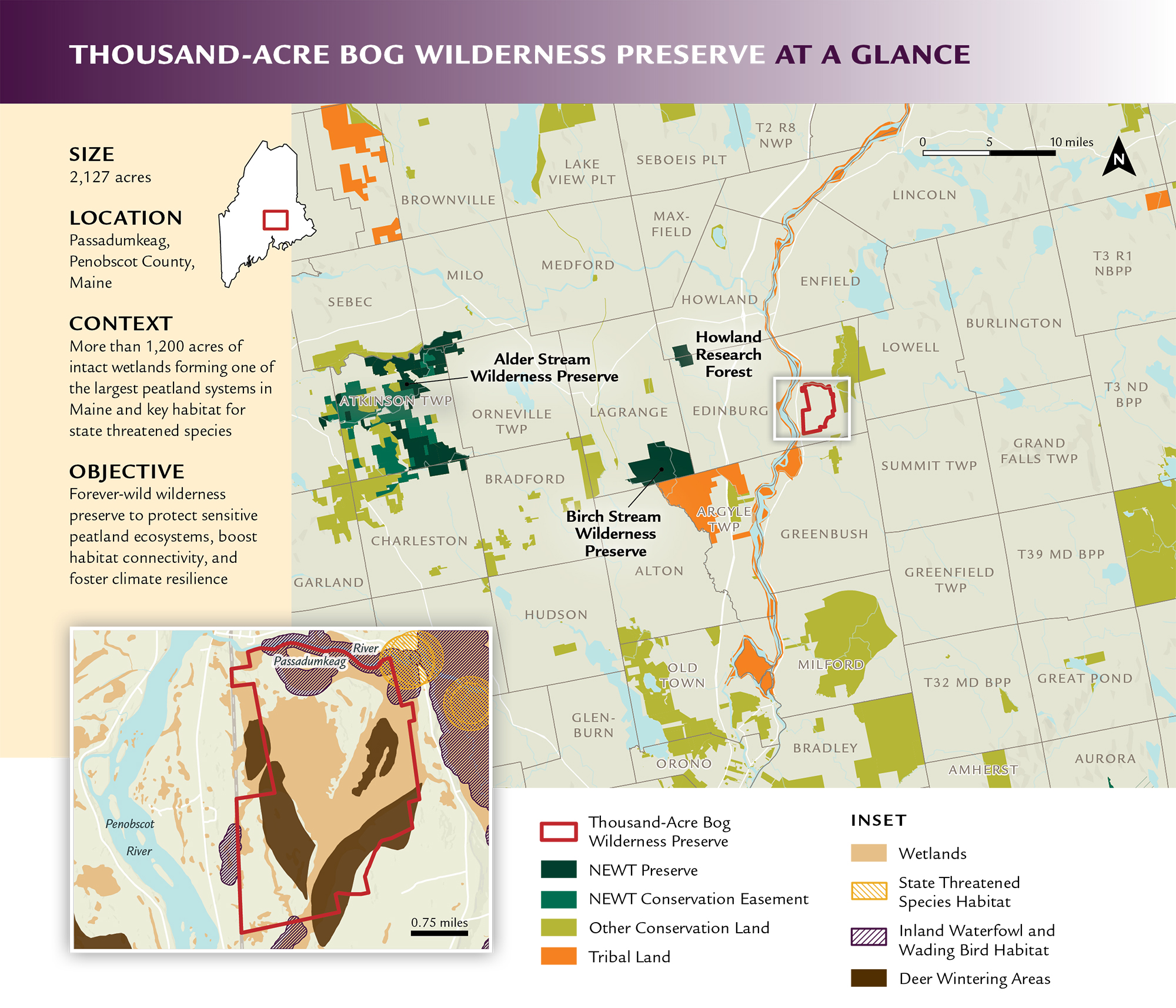
Thousand-Acre Bog Wilderness Preserve at a glance

Size: 2,127 acres

Location: Passadumkeag, Penobscot County, Maine

Context: More than 1,200 acres of intact wetlands forming one of the largest peatland systems in Maine and key habitat for state threatened species

Objective: Forever-wild wilderness preserve to protect sensitive peatland ecosystems, boost habitat connectivity, and foster climate resilience

Map of Thousand Acre Bog in Maine.

Stitching Together a Tapestry of Conserved Lands

Protecting Thousand-Acre Bog Wilderness Preserve as forever-wild will benefit more than the species found within its borders. The land sits in a state Focus Area of Statewide Ecological Significance called Passadumkeag River-Thousand Acre Heath, underscoring its contribution to central Maine’s ecological integrity. Meanwhile, it also falls within Northeast Wilderness Trust’s Alder Stream to Frenchman Bay Focal Area, which aims to connect habitats from Maine’s coast to its ecologically rich interior.  Also within the Focal Area and nearby to Thousand-Acre Bog are Northeast Wilderness Trust’s Birch Stream Wilderness Preserve and Howland Research Forest, and even closer is The Nature Conservancy’s Cold Stream/Ayers Brook Preserve.

Connecting habitat is paramount for Northeast Wilderness Trust. Thousand-Acre Bog Wilderness Preserve will be one more stitch in the tapestry of a wilder, more resilient Northeast, giving wildlife more room to roam and thrive.

Thousand-Acre Bog Wilderness Preserve needs your support

Will you help Northeast Wilderness Trust protect more wilderness?

Your gift to Thousand-Acre Bog Wilderness Preserve will help preserve one of Maine’s largest intact peatland ecosystems.

Together, we can ensure a healthier future for this land and the wildlife that depend on it. You can help by:

  • Sending a check made out to Northeast Wilderness Trust with “Thousand-Acre Bog” written in the memo line.
  • Making a gift online through the donation box on this page.
  • Giving through a Donor-Advised Fund (indicate “Thousand-Acre Bog”) at https://newildernesstrust.org/giving.
  • Making a gift of stock or other publicly traded securities. Please contact Nicie Panetta, Vice President of Advancement at nicie@newildernesstrust.org.

Thank you!

Photography: Stephen Matter.

Rewild My Inbox

Bring the wilderness straight to your inbox with the Wild Times E-newsletter.

Accredited Land Trust logo.
Rewild my inbox!

NORTHEAST WILDERNESS TRUST
17 STATE STREET, SUITE 302
MONTPELIER, VT 05602

802.224.1000

info@newildernesstrust.org

Accredited Land Trust logo.
Logo of a one over a two.
Logo for the Global Rewilding Alliance.
A platinum Seal of Transparency.

© Northeast Wilderness Trust 2026    TERMS OF USE    PRIVACY POLICY

Learn about our Green Guarantee.

Sign up for the Wild Times Enewsletter!

NORTHEAST WILDERNESS TRUST
17 STATE STREET, SUITE 302
MONTPELIER, VT 05602

802.224.1000

© The Northeast Wilderness Trust 2024    TERMS OF USE    PRIVACY POLICY

Learn more about our Green Guarantee.

Logo for Accredited Land Trust.
A one over a two, meaning one half.
Logo for the Global Rewilding Alliance.
A platinum Seal of Transparency.