Project Supports the Regional Timber Economy, Secures Recreational Opportunities, and Protects Important Wildlife Habitats.
A story based on this press release appeared in Maine Public on July 27, 2026 as “Western Maine conservation project offers ‘ecologically important’ reprieve for wildlife.”
July 27, 2026
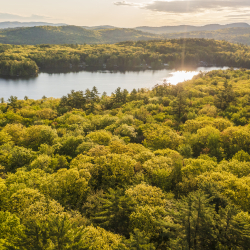
Oxford County, Maine — Four conservation organizations today announced the successful completion of a landmark project that has conserved more than 78,000 acres in the Magalloway River region of western Maine. Rangeley Lakes Heritage Trust, Forest Society of Maine, Northeast Wilderness Trust, and The Nature Conservancy — together, the Magalloway Collaborative — worked in close coordination on all aspects of the effort, from initial negotiations through fundraising and completion of the conservation transactions, to connect a corridor of more than half a million acres of contiguous conserved lands.
This multifaceted land conservation project maintains existing recreational access to the property’s lands and waters, creates new public preserves, restricts future development, and sustains the regional economy through continued forest management opportunities while creating buffers around key waterbodies. The partners hope that the innovative collaboration between local, state, regional, and global conservation organizations, which prioritized community engagement alongside conservation goals, may serve as a model for future projects.
The Magalloway project’s balanced conservation approach was negotiated in partnership with Wagner Forest Management, representing Bayroot, LLC, the property owner. Most of the property (over 62,500 acres) will continue to be managed by Wagner. It was important to both Wagner and the project partners that a substantial portion of the project lands continue to support the regional forest economy. A new permanent conservation easement held by Forest Society of Maine restricts future development while allowing continued timber harvest and forest management, securing substantial forested buffers around key streams, and continuing to allow public access for hunting, fishing, boating, and other recreational and cultural uses.
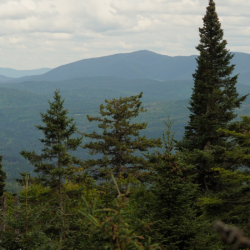
Northeast Wilderness Trust has acquired more than 11,200 acres of the land and is establishing a new wilderness preserve open to the public within the remote headwaters of the Magalloway River and the upland forests of Ledge Ridge and Rump Mountain — expanding upon adjacent ecological reserves in New Hampshire’s Connecticut Lakes Region. Rangeley Lakes Heritage Trust now owns and manages over 4,400 acres for recreation and wildlife habitat, including corridors along the Little Magalloway and Magalloway Rivers and a forest tract southeast of Route 16 near Cupsuptic Lake. Rangeley Lakes Heritage Trust will conduct river restoration throughout the project area to improve water quality and reconnect native brook trout habitat.
Rangeley Lakes Heritage Trust Executive Director David Miller commented: “We have together accomplished something truly extraordinary with the Magalloway Lands and Waters project. Conservation at this scale takes trust, a shared commitment, and more work than we could have imagined. The benefits to local communities, wildlife, and the natural world that result from this work make all of us thankful to be part of it.”
Fish and Wildlife Habitat
The Magalloway region is home to world-renowned brook trout fishing, hunting, and other outdoor recreation opportunities which are now secured for the benefit of current and future generations.
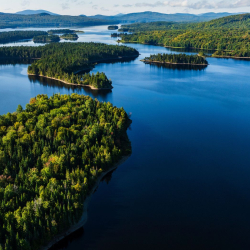
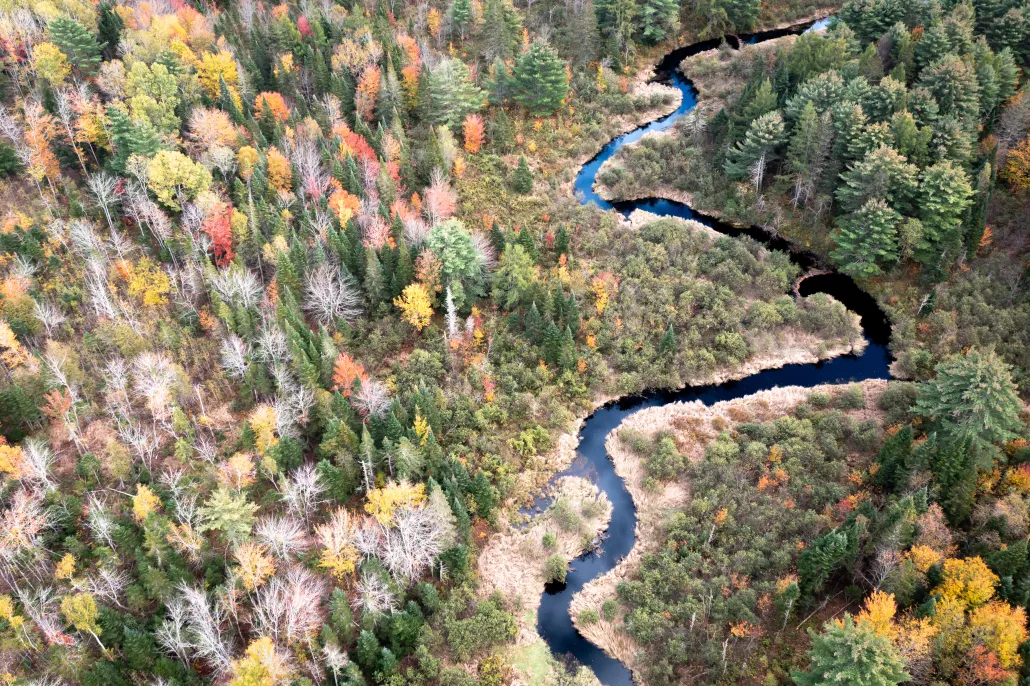
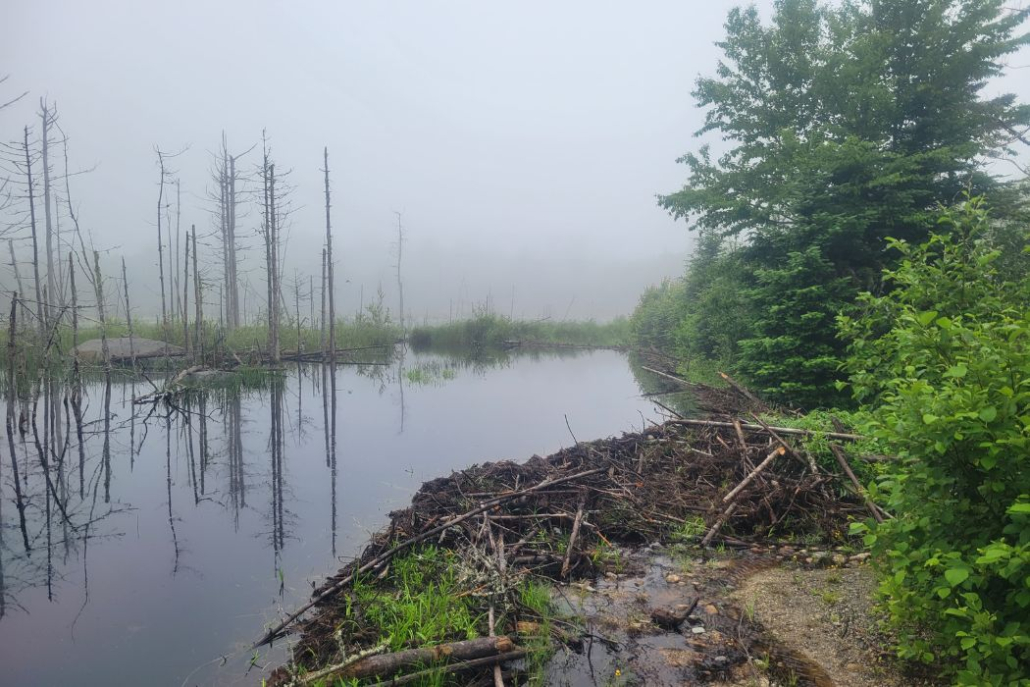
Biologists and fisheries scientists have identified the Magalloway River as one of the last strongholds in the country for self-sustaining native brook trout populations. Rangeley Lakes Heritage Trust is protecting corridors along the river and its largest tributary, while the conservation easement held by Forest Society of Maine provides additional 100-foot protective buffers along brook trout streams identified as High Priority by Maine’s Department of Inland Fisheries and Wildlife. Allowing forests to grow old along these streams will help enhance habitat, add critical nutrients, regulate stream temperatures, and maintain and improve water quality.
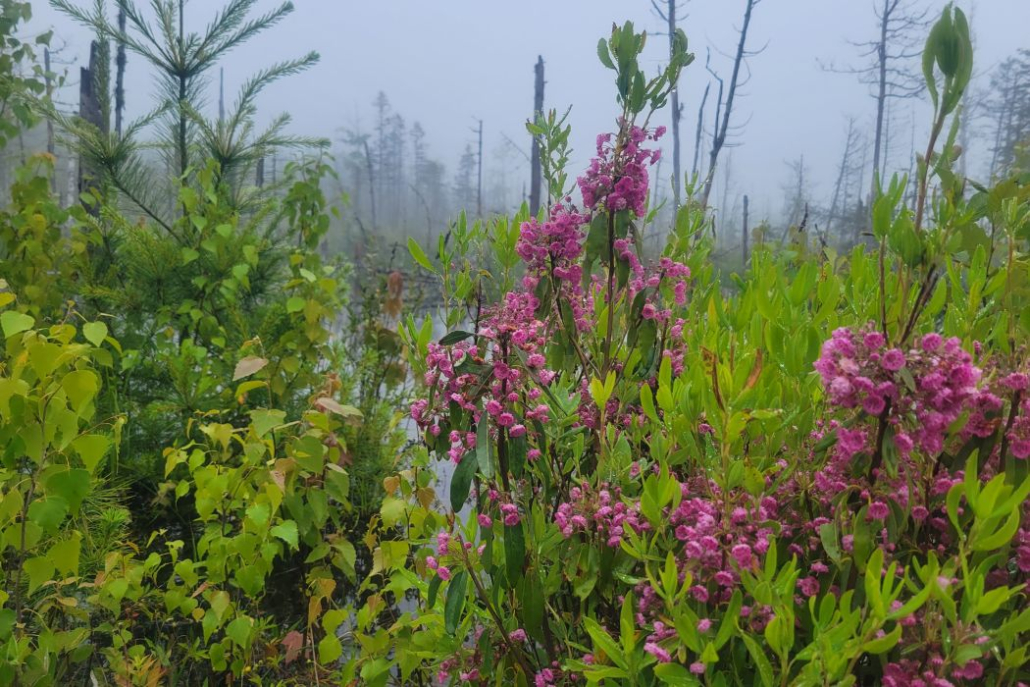
The project area hosts excellent habitat for wildlife, including Canada lynx, black bear, moose, white-tailed deer, and diverse bird life including Ruffed Grouse and more than 20 species of warbler.
Public Access
The project preserves a wide variety of existing remote recreation opportunities. The property is accessible from Route 16 and a network of privately owned forest roads. Vehicular access to the northern third of the project area remains limited.
Boating access opportunities include a put-in on Aziscohos Lake and many hand-carry access points, including on the Magalloway River. Snowmobiling remains a welcomed activity on established trails throughout the property, including the ITS-84 which connects Maine and New Hampshire. Recreational users may still hire Registered Maine Guides for activities including hunting, fishing, and wildlife viewing.
“The Magalloway project ensures that future generations can enjoy paddling, hunting, and fishing in this special place,” said Seth Laliberte, Registered Maine Guide and owner of Rangeley Adventure Company, a local outdoor sporting goods shop in Rangeley. “As a guide and business owner, access to wild places like the Magalloway is essential to our outdoor economy and the way of life that makes the Rangeley region so special.”
Cultural Significance
The partners acknowledge that the Magalloway Lands and Waters are part of the homeland of the Wabanaki Tribal Nations, the People of the Dawnland, and look forward to the opportunities this project creates for Wabanaki Peoples to strengthen and re-establish cultural and spiritual connections here.
Building Climate Resilience
Conservation of the Magalloway Lands and Waters bolsters connectivity of terrestrial and aquatic wildlife habitat in the Northern Appalachians, a major pathway for the movement of species in eastern North America in response to climate change.
With 78,000 acres of forests and wetlands now certain to remain undeveloped, along with more than 11,000 acres of those forests growing old in a wilderness preserve and in corridors along rivers and streams, the project delivers significant increases in potential carbon sequestration and storage.
Funding the Project
The Collaborative partners express their appreciation to the foundations, federal grant sources, and hundreds of individuals for the support they provided to the Magalloway project. Generous lead grants were received from MathWorks, EJK Foundation, Richard King Mellon Foundation, the National Fish and Wildlife Foundation through Walmart’s Acres for America Program, and North American Wetlands Conservation Act funds.
With 97 percent of the funds raised as of July 27th, the Collaborative continues to seek additional contributions to fully cover the $62 million project cost. As of today, an additional $1.9 million is needed. Donations can be made at magalloway.org or by contacting any of the project partners directly.
“The collaboration our four organizations achieved here is an important model for how people can work together to accomplish big things,” said Mark Berry, forest program director for The Nature Conservancy in Maine. “Together, the Collaborative and our supporters are accomplishing something no one organization could do alone.”
For more details on this project, including how to access the land and specific guidelines, visit magalloway.org.
Magalloway Collaborative Partner Details
Rangeley Lakes Heritage Trust
Since its founding in 1991, Rangeley Lakes Heritage Trust (RLHT) has worked with partners to conserve, restore, and steward the lands and waters of western Maine’s iconic Rangeley Lakes Region. Guided by its mission to sustain the ecological, economic, and social vitality of the region, RLHT advances land conservation, preserves public access, restores habitats, and promotes sustainable forest management to ensure the landscapes and waters that define Rangeley endure for future generations. Learn more at rlht.org.
Forest Society of Maine
Forest Society of Maine, a statewide land trust established in 1984, assists landowners, families, and communities to conserve forestland across the state for sustainable forest management, recreation, wildlife habitat, and historic and cultural values. Over the past 40 years, FSM has helped conserve more than one million acres, making it the seventh largest land trust in the country by conserved acres. More information about the Forest Society of Maine can be found at fsmaine.org.
Northeast Wilderness Trust
Northeast Wilderness Trust is a regional land trust that focuses exclusively on protecting wilderness areas—lands permanently protected as forever-wild, where natural processes direct the ebb and flow of life. With its headquarters in Vermont, staff in multiple states, and board members across the Northeast, the Wilderness Trust newildernesstrust.org protects more than 115,000 acres in New York, Vermont, New Hampshire, Maine, Massachusetts, and Connecticut.
The Nature Conservancy
The Nature Conservancy is a global conservation organization dedicated to conserving the lands and waters on which all life depends. TNC is working to make a lasting difference in 83 countries and territories and uses a collaborative approach that engages local communities, governments, tribes, the private sector, and other partners. Co-founded in 1956 by Rachel Carson, TNC Maine has helped protect almost 2.5 million acres and currently owns and manages around 300,000 acres in the state. To learn more, visit nature.org/maine or follow @TNCMaine on social media.