Lincoln, VT 112 acres

A Forever-Wild Matrix of Fields and Forests in the Foothills of the Green Mountains

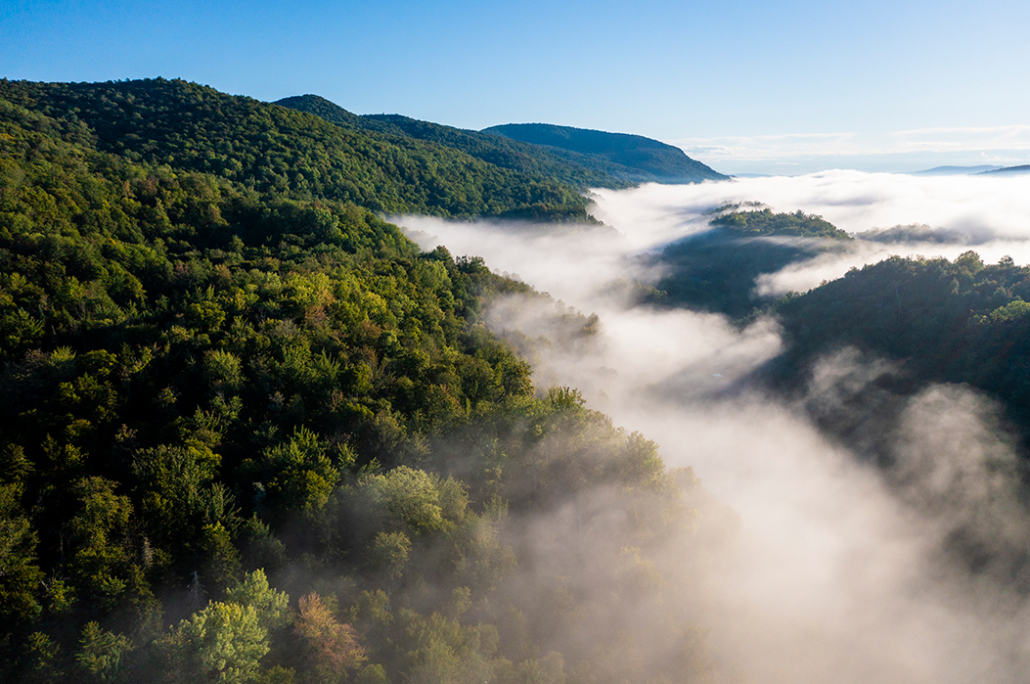
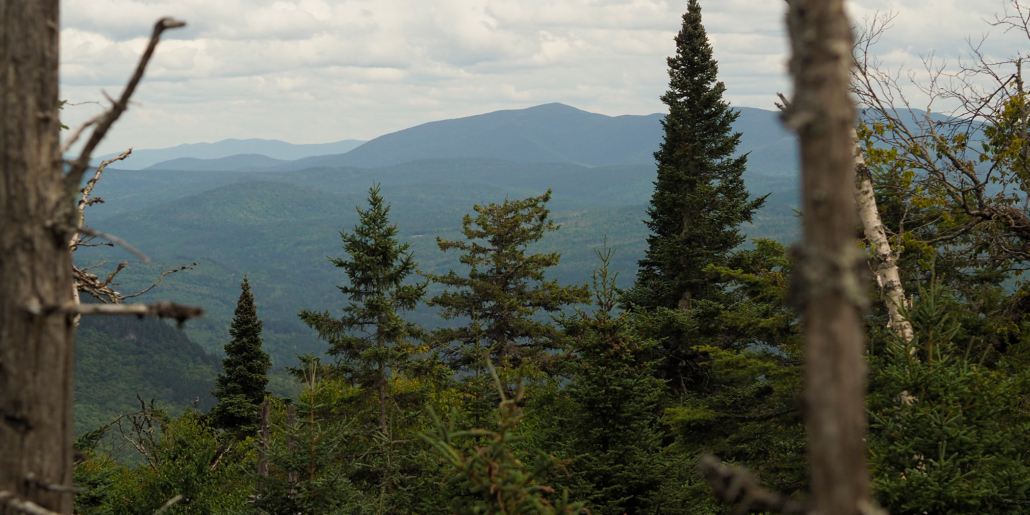
In the western shadow of the peaks of Vermont’s Green Mountains lies Northeast Wilderness Trust’s Anderson-Wells Conservation Easement. Anderson-Wells, permanently protected in 2003 and owned and stewarded by Vermont Family Forests, was the Wilderness Trust’s first conservation project in Vermont.

On this land is a mix of forests and fields home to an impressive variety of ecosystems characteristic of Anderson-Wells’ comparatively low elevation in the foothills of the Greens. The Easement’s flora and fauna are the subject of nearly three decades of ecological study conducted by the Colby Hill Ecological Project.
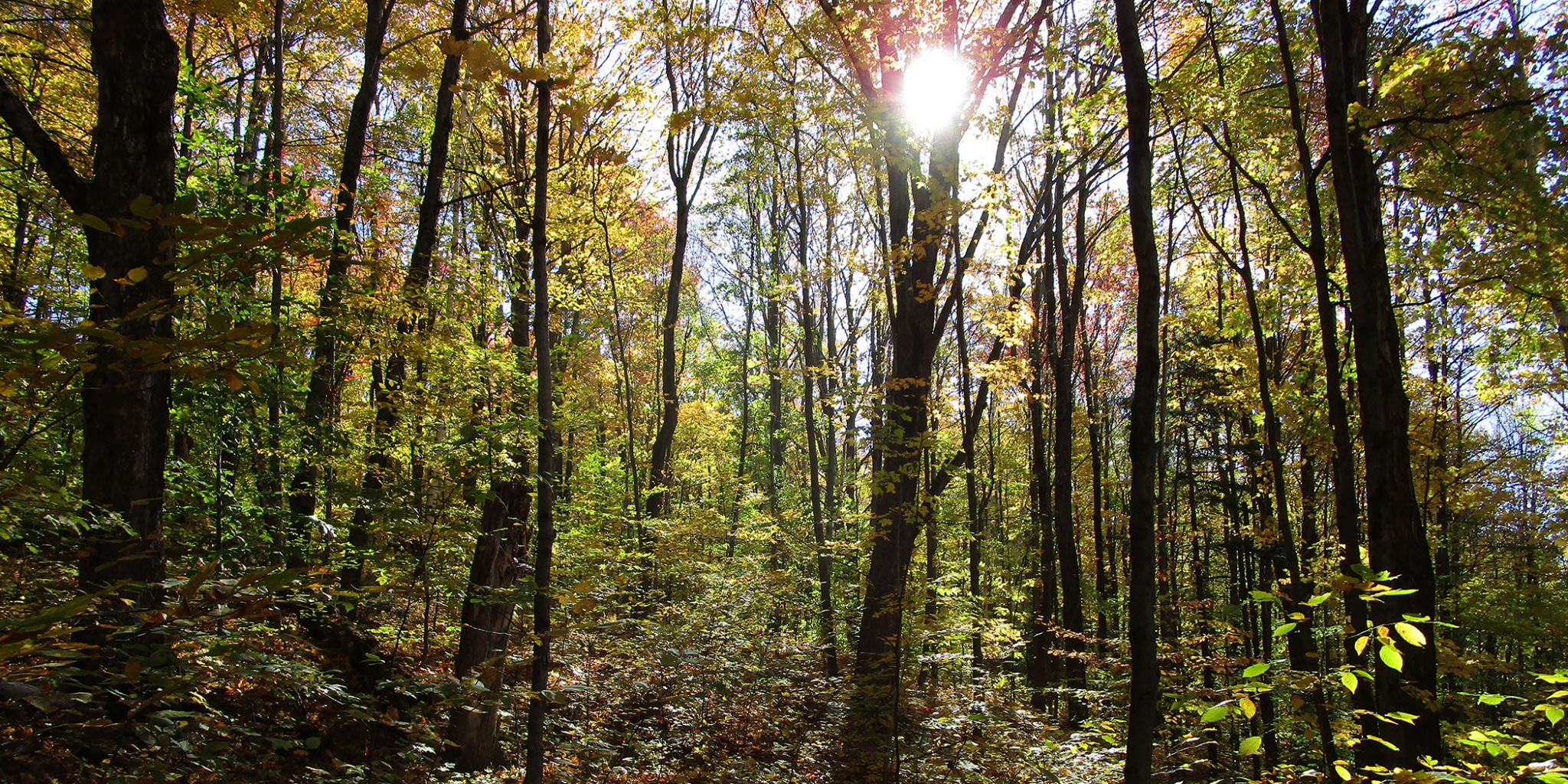
Anderson Wells_Banner and Feature Image 1

From Seeps to Swamps

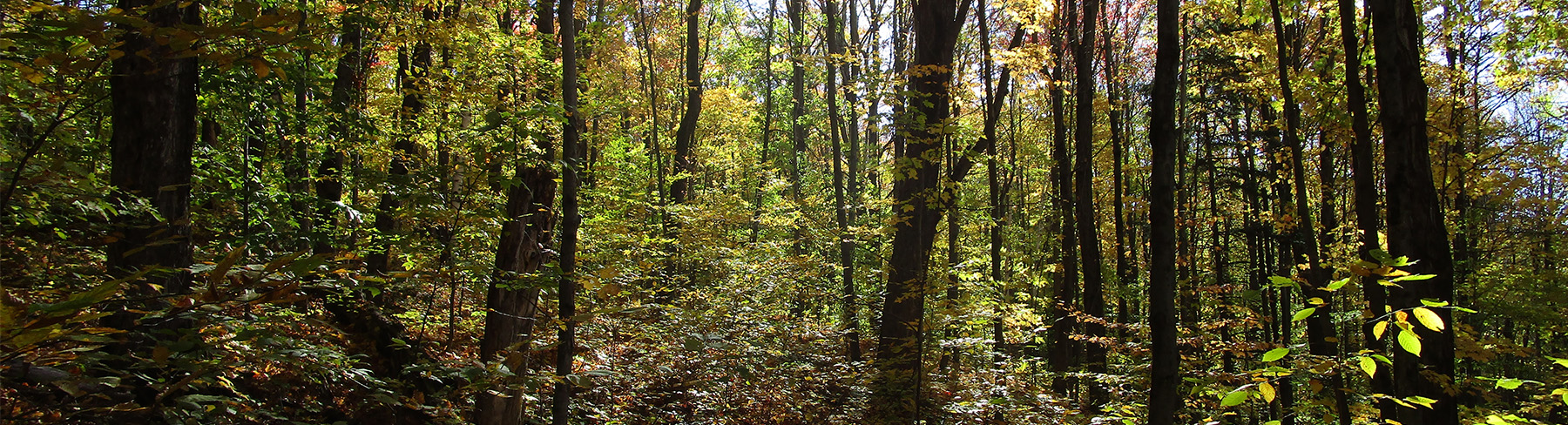
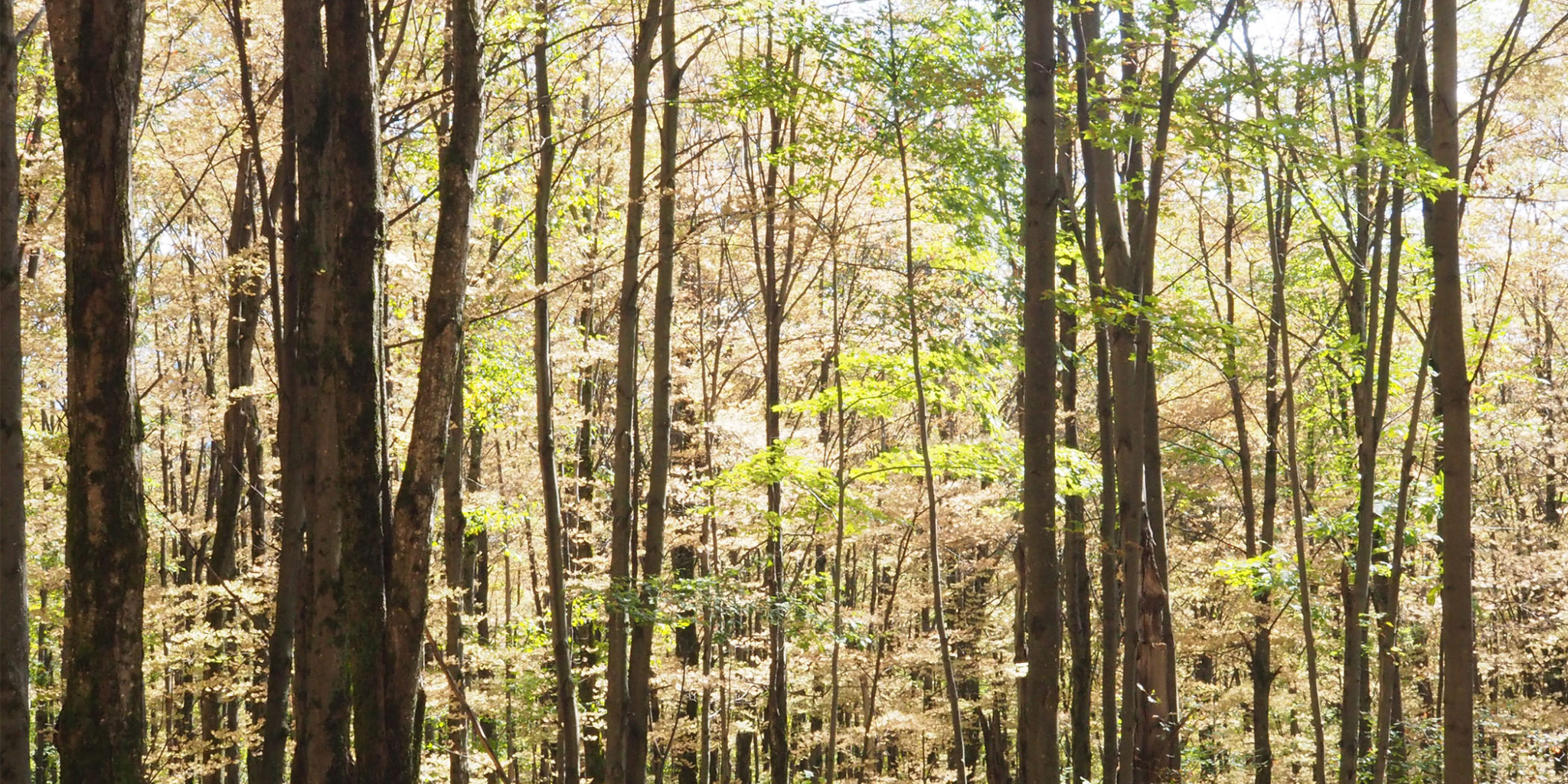
Anderson-Wells, like much of Vermont, was previously subject to agricultural and forestry uses, a human legacy that shapes its natural character today. Much of the Easement, 75 of its 112 acres, are forested, while the remaining 37 acres are fields cut annually to maintain early-successional habitat for grassland birds and other species dependent on open spaces.

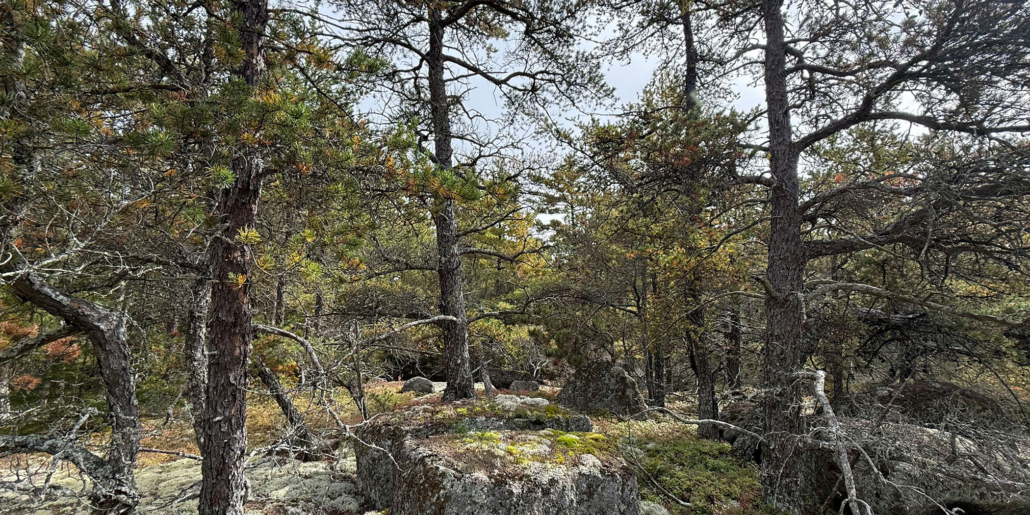
Five of the six ecosystem types present on Anderson-Wells are variations of Northern Hardwood Forest, the most common natural community in Vermont. Each of these variations contains a unique assemblage of species adapted to differing conditions like relative moisture, tree cover, and soil richness. On portions of the forested acreage, for example, groundwater seeps are common, giving rise to plants that thrive in moisture-heavy environments, such as jewelweed, lady fern, and jack-in-the-pulpit. Meanwhile, up higher, on a ridge near the eastern boundary of the Easement, loose sedge, an uncommon species usually found further westward in the warmer Champlain Valley, flourishes in the shallow soils deposited in pockets along the ridge’s ledges. Also here are flora like dwarf enchanter’s-nightshade, early saxifrage, and white wood aster, all members of a rich plant community unique to this exposed ecosystem.

Near the Easement’s western border sits a partially forested wetland, a portion of which is a willow shrub swamp. Willow dominates here, accompanied by other water-tolerant trees like tamarack and red maple. Turtlehead, spotted Joe Pye weed, and ostrich fern are just a handful of the many understory species that inhabit the brook-fed wetland.

Anderson Wells_Banner and Feature Image 2

A Treasure Trove of Ecological Data

Anderson-Wells’ vibrant array of ecosystems and species offers a terrific setting for ecological study. Since 1998, the Easement’s flora and fauna have been documented by researchers as part of the larger, three-parcel Colby Hill Ecological Project. The permanent protection of the Easement ensures that this nearly three-decade project can continue to generate valuable data about wildlife movement, populations, and health in central-western Vermont.
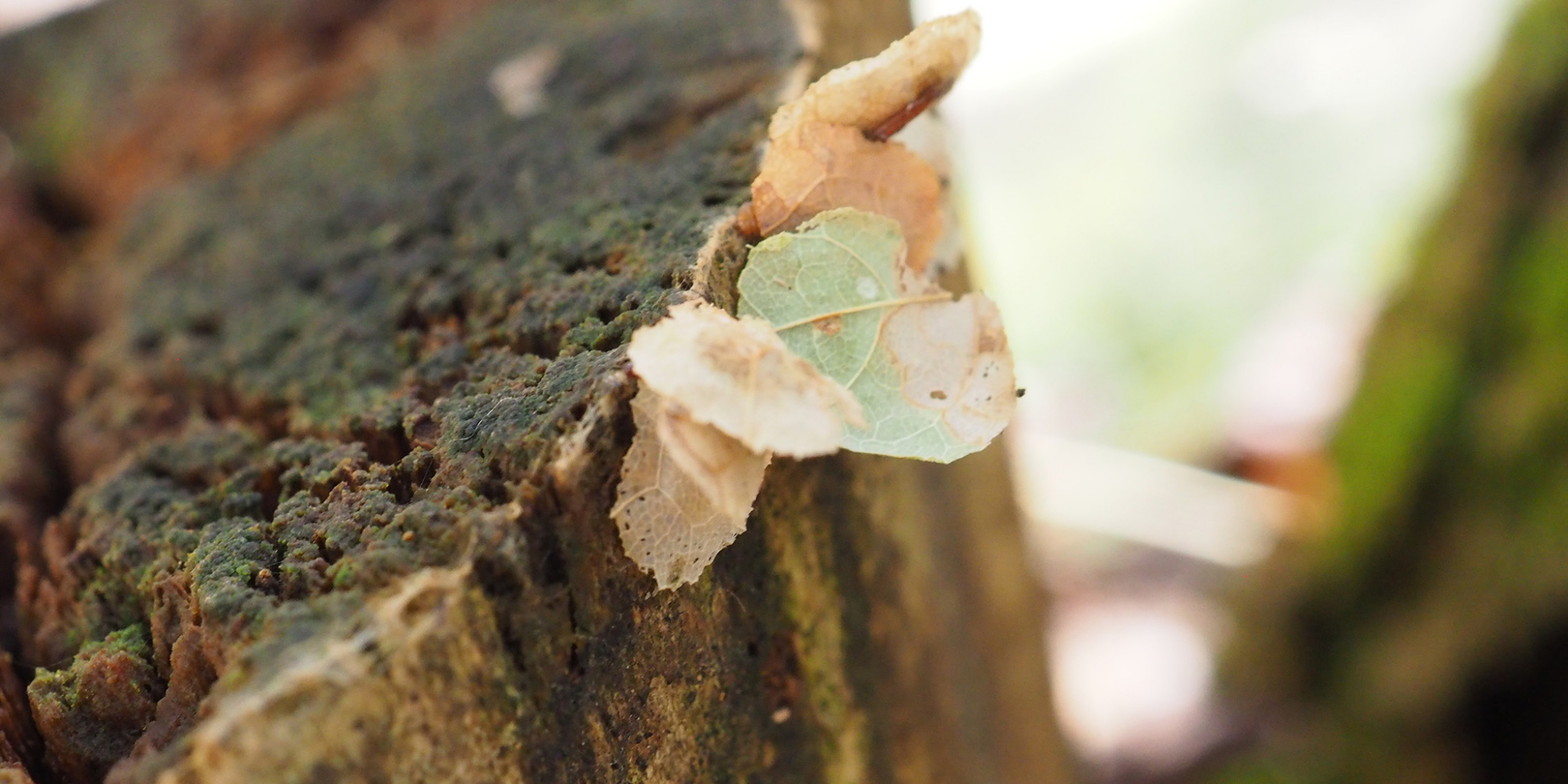
Research at Anderson-Wells covers a multitude of species and conditions. Experts have maintained inventories on everything from beetles to dragonflies to small mammals, creating a long-running record of the Easement’s value for wildlife from the miniscule to the mid-sized. Other environmental factors, such as the water quality of the brook that runs through the Easement, have also been measured and catalogued as part of the project.

These data are not merely useful for how they showcase the ecological vitality of the Easement. Most wildlands in Vermont and New England are at high elevations. With its location in the foothills of the Green Mountains, the Easement—and its permanent protection—provides scientists with a hard-to-come-by example of a low-elevation wildland and the constellation of ecosystems it supports. Moreover, Anderson-Wells, like other wildlands, represents an ecological baseline against which the surrounding managed landscape may be evaluated, while also allowing researchers to study how flora and fauna respond when human disturbance is reduced to a minimum via rewilding. These metrics of ecological vitality and resilience will only grow more salient as ecosystems and species shift in response to rising temperatures.

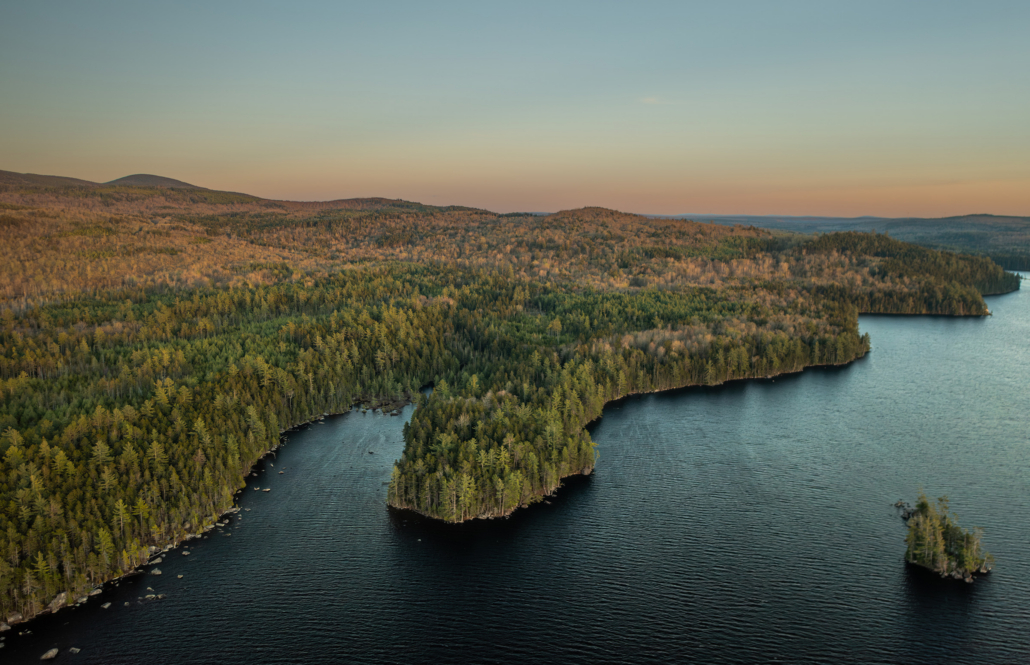
Anderson Wells_Banner and Feature Image 3

Photography by Shelby Perry.

Rewild My Inbox

Bring the wilderness straight to your inbox with the Wild Times E-newsletter.

Accredited Land Trust logo.
Rewild my inbox!

NORTHEAST WILDERNESS TRUST
17 STATE STREET, SUITE 302
MONTPELIER, VT 05602

802.224.1000

info@newildernesstrust.org

Accredited Land Trust logo.
Logo of a one over a two.
Logo for the Global Rewilding Alliance.
A platinum Seal of Transparency.

© Northeast Wilderness Trust 2026    TERMS OF USE    PRIVACY POLICY

Learn about our Green Guarantee.

Sign up for the Wild Times Enewsletter!

NORTHEAST WILDERNESS TRUST
17 STATE STREET, SUITE 302
MONTPELIER, VT 05602

802.224.1000

© The Northeast Wilderness Trust 2024    TERMS OF USE    PRIVACY POLICY

Learn more about our Green Guarantee.

Logo for Accredited Land Trust.
A one over a two, meaning one half.
Logo for the Global Rewilding Alliance.
A platinum Seal of Transparency.