Tag Archive for: Rewilding

In Search of an Old Forest

We drove up the night before, setting up our tents at a little New Hampshire campground near the Maine border and making plans over maps while cooking dinner on our campfire. We would start as soon as we could break camp in the morning, drive as close as we could to the border of Northeast Wilderness Trust’s (NEWT) newly protected Magalloway Wilderness Preserve, and hike the last three-quarters of a mile to the property line. We intended to be out of the woods no later than 2 p.m. to get started on our 3.5-hour drive home.

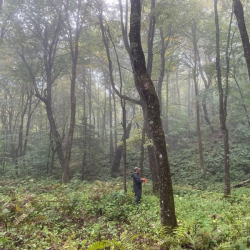
The next morning, Blue Jays fussed as NEWT’s Wildlands Ecologist Jason Mazurowski and I parked the car and pulled out our packs stuffed with gear. We had made this long journey in search of rumored old forest, but the forest around our parking spot did not instill confidence. It was clear no logging had occurred here recently, but by all appearances, the forest was of middle age, like most forests in New England. Old forest is one of the rarest forest conditions in the region, with some estimates putting the total at less than half a percent of land area.

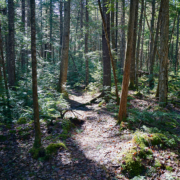
Still, we continued on, ditching the road and entering a forest unmarred by track or trail.

Research Summary: The Importance of Structurally Complex Forests

This summary of external research relevant to Northeast Wilderness Trust’s (NEWT) conservation work was prepared by the organization’s Wildlands Ecology team. NEWT played no role in the funding, design, or execution of the research summarized here.

Study Title: “High rates of primary production in structurally complex forests”

Authors: Christopher M. Gough, Jeff W. Atkins, Robert T. Fahey, and Brady S. Hardiman

Publication: Ecology

Year Originally Published: 2019

Summary of Findings: This paper was aimed at understanding if canopy structural complexity could predict the net primary production (NPP) across temperate forests. Researchers used light detection and ranging (LiDAR) technology to measure structure, and compared it to more traditional metrics like species diversity and vegetation area index (VAI) to see which metric best explains forest productivity (used in this context to refer to the net production of above-ground wood).

Using mechanistic modeling to test how these different metrics related to NPP, the authors determined that canopy rugosity (a measure of “roughness”) was able to explain 83 percent of site-level variation in NPP, outperforming all other metrics. In other words, the roughness of the canopy is better at predicting the productivity of forests in this biome than any of the more conventional/traditionally used metrics like canopy leaf area, height, arrangement, and cover.

This finding highlights the value of maintaining forest structure to increased productivity, and increased productivity of aboveground wood is also known as carbon storage—meaning more complex forests play an outside role in forest carbon storage.

Outstanding Questions/Caveats:

  • It is not clear whether this relationship would hold outside of North American temperate forests.
  • This study also found a high degree of statistical overlap between structural complexity and species diversity, but it is not clear if there is causation here, or simply correlation.
  • The study authors found canopy roughness/structural complexity to be the best predictor of production of above-ground woody biomass, but most ways the we model climate and carbon are not equipped to use this kind of data, and doing so might be computationally expensive or cost prohibitive.

Application to Northeast Wilderness Trust’s Work: NEWT promotes the development of structurally complex forests through the process of passive rewilding/passive management, meaning no woody biomass will be removed. This allows the forest to develop complexity over time, without the threat of a harvest resetting that clock.  This paper indicates that those structurally complex forests will be more “productive” meaning they will make more wood, and therefore store more carbon than similar forests that are less structurally complex.

Link to the Paper: https://esajournals.onlinelibrary.wiley.com/doi/full/10.1002/ecy.2864

Research Summary: Forest Structure Diversity Depends on Age and Management

This summary of external research relevant to Northeast Wilderness Trust’s (NEWT) conservation work was prepared by the organization’s Wildlands Ecology team. NEWT played no role in the funding, design, or execution of the research summarized here.


Study Title: “Diversity of forest structures important for biodiversity is determined by the combined effects of productivity, stand age, and management”

Authors: Aino Hamalainen, Kadri Runnel, Thomas Ranius, and Joachim Strengbom

Publication: Ambio, Springer Nature

Year Originally Published: 2024

Summary of Findings: This study looked at an array of forest structural features as proxy measures for biodiversity, since these structures are needed to provide homes for many forest-dwelling species. It compared these features across forests of different productivity levels (amount of wood made by the forest per year), stand ages, and management styles. What the authors learned was that these structures naturally increased with a forest’s age and productivity level. However, intensive management, particularly clear-cutting (commonly used in Sweden, where this study took place) significantly decreases these structures across all ages. Importantly, this kind of management disrupts the accumulation of these structures, even on high-productivity sites, causing the managed sites to fall behind the unmanaged ones in the development of structural complexity and therefore biodiversity.

On average, protected and unmanaged sites tend to be of lower productivity, reserving the high-productivity sites for human uses. This study demonstrates that high-productivity forests can support the richest array of biodiversity indicators and should not be overlooked in conservation efforts.

Outstanding Questions/Caveats: This study did identify some impacts that were likely the result of previous management in the protected areas, resulting from management that took place before they were protected. Because the typical form of forestry in Sweden is clear-cutting and replanting on 60- to 120-year rotations, the impacts measured there are likely to be somewhat different from those encountered in the northeastern United States, where most forestry practices already favor leaving some legacy trees behind. The primary forest types studied in the paper are also conifer-dominated (spruce and pine forests) whereas northeastern forests are more commonly dominated by broad-leaved species, such as beech, birch, maple, and oak. Thus the relative value of certain structural features that stood out as more important in this paper (i.e. standing and downed deciduous deadwood) may shift with forest composition.

Application to Northeast Wilderness Trust’s Work: As a forever-wild land trust, NEWT protects forests across the Northeast as Wildlands. Ensuring preservation of conservation land representative of the full suite of landscape conditions, from low productivity (steep, rocky, and high-elevation lands, for example) to high productivity (fertile forests of mid- to low-elevations and deep soils) is the best way to protect the full suite of forest structural features—and thus the broadest array of biodiversity. Ceasing management on these lands promotes the gradual accrual of critical forest structures.

NEWT also works closely with many allied organizations who protect managed forests across our region. This study provides valuable insight into how best to protect and promote the accrual of important structural complexity on these lands as well, including management actions like leaving some large trees and deadwood after logging.

Link to the Paper: https://link.springer.com/article/10.1007/s13280-023-01971-9

Research Summary: Increased Carbon Storage of Wildlands

This summary of external research relevant to Northeast Wilderness Trust’s (NEWT) conservation work was prepared by the organization’s Wildlands Ecology team. NEWT played no role in the funding, design, or execution of the research summarized here.

Study Title: “Adaptation and mitigation capacity of wildland forests in the northeastern United States”

Authors: Edward K. Faison, Danelle Laflower, Luca L. Morreale, David R. Foster, Brian Hall, Emily Johnson, and Jonathan R. Thompson

Publication: Forest Ecology and Management

Year Originally Published: 2023

Summary of Findings: This study compares wildlands to nearby forests that are comparable in size, climate, and geographic setting, but open to active management. The authors found that forests within wildlands store significantly more carbon than actively managed forests.

Using long-term Forest Inventory and Analysis (FIA) data collected by the U.S. Forest Service from hundreds of permanent plots across the northeastern United States, the authors paired wildlands with comparable managed forests based on climate, underlying geology, and topography. This paired design allowed them to isolate protection status as the primary factor influencing forest structure and carbon storage.

The study reinforces the importance of Wildlands as a natural solution to climate change, featuring these key takeaways:

  1. Wildlands store more carbon. On average, forests within Wildlands stored 20 percent more above-ground carbon than comparable forests open to logging.
  2. Wild forests grow just as fast as managed forests. Challenging the longstanding belief that logging is necessary to maximize carbon uptake, the study found that forests within Wildlands grew just as quickly as managed forests. Across the region, growth rates were similar between the two groups. In both groups, forests that had been untreated for some time grew faster than recently harvested forests.
  3. Wildlands have greater structural complexity. Forests with greater complexity support a wider range of plant and animal species and are more resilient to disturbances. Throughout the study area, permanently protected forests were found to have:
  • More large/old trees
  • More standing dead trees (snags)
  • Taller trees on average
  • A wider variety of sizes and age classes
  1. These features developed after protection. When authors compared forest conditions at the time of wildland designation to conditions of unmanaged paired forests, they found no major differences. This indicates that the above benefits developed specifically because of the lack of management, not because of inherent factors in the landscape.

Outstanding Questions/Caveats:

  • The study only focuses on above-ground carbon and does not include soil carbon. Soil structure and biota in unmanaged systems are thought to have enormous potential for carbon storage.
  • Forest Inventory and Analysis plots do not capture some key measures of forest complexity, such as coarse woody debris.
  • Limited to northeastern temperate forest systems.

Application to Northeast Wilderness Trust’s Work: This study focuses specifically on forests within NEWT’s service area of the northeastern United States. It provides clear empirical support for NEWT’s core mission of permanent Wildlands protection, highlighting that all lands are working lands, even when passively managed.

  • Wildlands should be recognized as a natural climate solution
  • Both carbon and structural benefits increased over time, adding importance to permanent protection
  • Intact, unmanaged forests are functionally different than forests that merely appear intact

Link to the Paper: https://doi.org/10.1016/j.foreco.2023.121145

Research Summary: Indigenous Land Zones and Wilderness

This summary of external research relevant to Northeast Wilderness Trust’s (NEWT) conservation work was prepared by the organization’s Wildlands Ecology team. NEWT played no role in the funding, design, or execution of the research summarized here.


Study Title: “Wilderness, Indigenous land zones, and regionality in North American forests”

Authors: Edward K. Faison and Nohham R. Cachat-Schilling

Publication: The Ecological Citizen

Year Originally Published: 2026 m

Summary of Findings: The concept of “wilderness” has often been framed as a Eurocentric idea, but here the authors present evidence suggesting that the idea of self-willed land existed within indigenous cultures of North America prior to European contact. While human influence in the Americas is thought to have been widespread through burning and cultivation, the paper shows that at least several Indigenous societies designated lands with functions similar to modern wilderness: places with minimal habitation and intentionally limited ecological impact on these lands.

Using archaeological and ecological evidence, the authors describe Indigenous land use as spatially distributed into distinct zones. Examples from the Intermountain West and northeastern United States suggest that intensive land use was often concentrated in low-lying fertile valleys, while upland forests and mountainous regions were lightly used for hunting, gathering, and spiritual practices. This pattern mirrors our modern-day land use where most development is concentrated in lowlands, and most large Wildlands occur in inaccessible or infertile mountainous regions.

Key findings include:

  • Indigenous land use was highly localized: Settlements, agriculture, and burning were largely confined to river valleys and coastal areas in relatively small patches, on the order of 10 to 20 acres.
  • Large upland forests were minimally impacted by humans: Upland regions, referred to as táuohkômuk (Algonquian) and titoqa-nót wétes (Nimiipuu, meaning “people-less land”) were primarily shaped by natural processes and largely absent of permanent habitation.
  • Human presence did not always imply intensive impacts: Many areas were visited often and used for hunting, ceremony, and travel between population centers, but cultural norms limited impact.
  • Population densities were extremely low compared to modern day: Estimated population densities in the northeastern United States around 1500 CE were roughly 0.15 to 0.7 people per square kilometer.
  • Modern wilderness areas overlap historical patterns: Many of today’s large Wildlands such as the Adirondacks and mountainous areas of northern New England align with areas that were historically uninhabited or lightly used.

Taken together, the evidence suggests that large portions of North America’s upland forests were characterized for centuries by minimal human disturbance and self-willed ecological processes. Modern concepts of wilderness mirror historical concepts of wilderness in practice, intent, and geographical distribution suggesting that wildlands conservation may be a continued tradition rather than a post-colonization concept.

Outstanding Questions/Caveats: This paper challenges the dominant narrative—popularized in works such as 1491—that human-altered landscapes were not only widespread across the Americas, but were the norm. However, it draws some sweeping conclusions from a limited geographic scope, focusing on just a small number of regions where this information was available. Areas where Indigenous land use may have been more intensive and/or more widespread such as fire-adapted forests, seem underrepresented.

The authors’ argument also relies, in part, on the absence of evidence, from which it can be difficult to draw definitive conclusions. While the ecological arguments are strong, the paper leans heavily on these patterns in landscape ecology to support its conclusions. The social and political questions of how Indigenous societies designated and use these lands are more complex and remain contested and are not fully supported by the evidence presented here.

Application to Northeast Wilderness Trust’s Work: The concept that wilderness has existed in some form in this region for as long as humans have inhabited it adds both philosophical and scientific integrity to NEWT’s mission. Rather than positioning wilderness as a countercultural response to colonization, development, and resource extraction, this insight puts wilderness in a broader perspective of carrying out a tradition of leaving land aside for self-willed processes to prevail. It also challenges the assumption that human management is needed in some systems for ecological integrity to exist, and strengthens the case for passive rewilding.

Link to the Paper: https://www.ecologicalcitizen.net/pdfs/epub-150.pdf

A Poor Fen of Floral Delights

The clouds of mosquitoes thicken as we approach the pond. We ponder, only half in jest, whether they might be a built-in defense mechanism of the rare ecosystem we’re approaching; a trial to ensure that only the most devoted reach the sodden promised land.

As I swat away in futility, Shelby Perry, NEWT’s Wildlands Ecology Director, reminds me that a greater abundance of biting insects tends to signal a healthier ecosystem.

Lovely consolation, I think, as one gets me good behind the ear.

We are dogged travelers in search of a Poor Fen. One exists on this wildland permanently protected by Northeast Wilderness Trust. Poor Fens are aquatic ecosystems anchored by a lush and soggy mat of sphagnum moss. Over time, as the sphagnum moss and other plants die, their undecayed matter forms peat, a terrific carbon sponge. While peat is a core feature of both fens and bogs, the former are mostly fed by streams, ponds, or groundwater flowing downstream, while the latter are chiefly recharged by precipitation.

The “poor” in Poor Fen refers to the acidity of its waters and the resulting dearth of nutrients. Poor Fens are more acidic than Intermediate or Rich Fens (though still less acidic than bogs) and so support a different array of species than their counterparts, though sedges, shrubs, grasses, and rushes typify all three fen types.

We come to the edge of the pond. The morning is grey and heavy with humidity, the conifers encircling the water pulsing, verdant. A crown of darker grey mountains peaks over the trees at the pond’s southern edge. Voltaic-blue dragonflies dart around us and dip down to the surface. We entreat them to feast on the mosquitoes feasting on us.
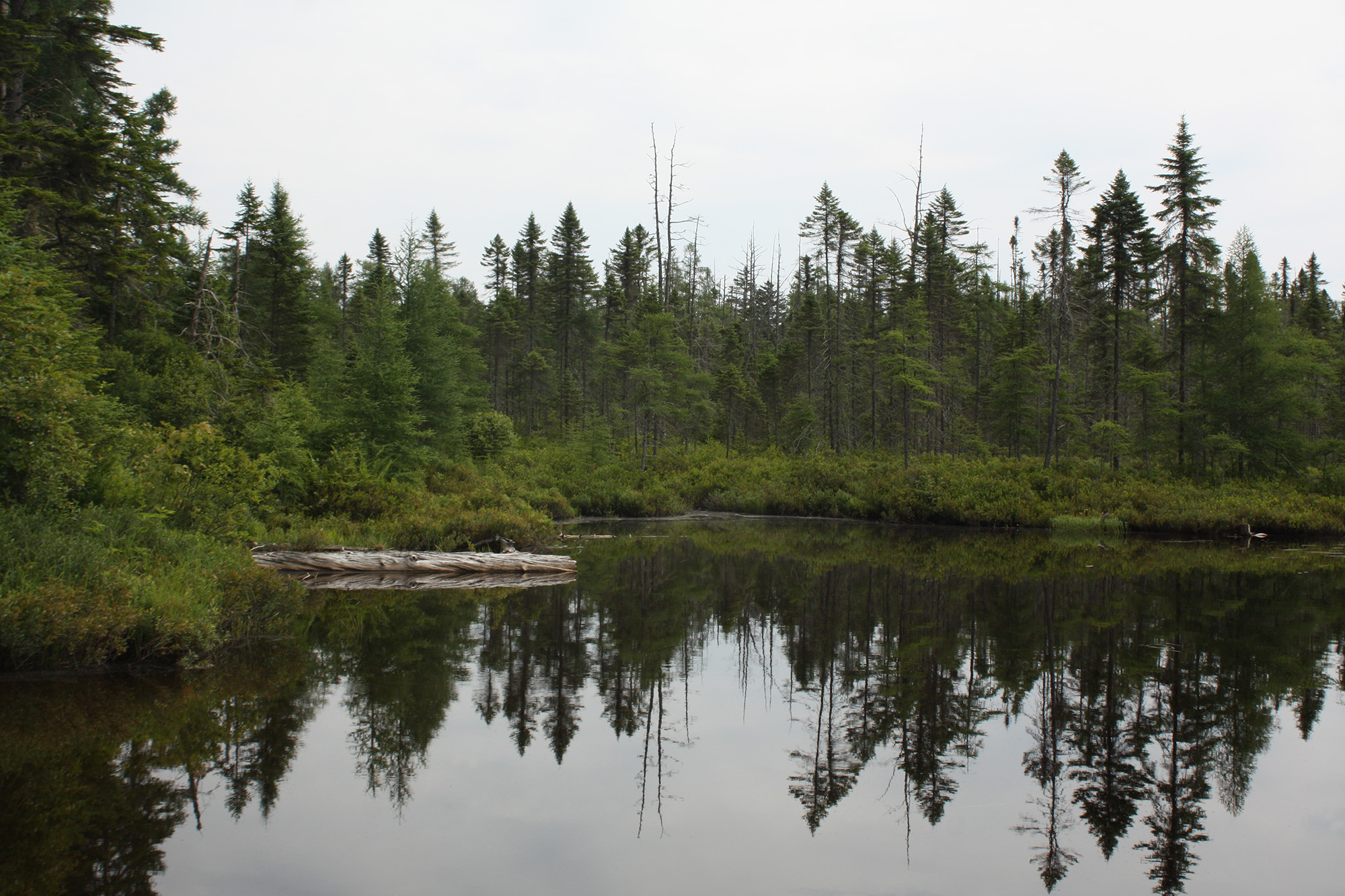
Edge of a pond.
Shelby points, tiny gluttons swirling around her outstretched arm.

“There it is.”

At first glance, the stretch of shore in question looks unremarkable, aside from perhaps a slight red tint where the water and greenery meet. Bedraggled spruces rise from the vegetal carpet, undergirded by shrubs.

We set off. We curve around the pond’s edge. Sheep laurel and leatherleaf hug us as we pass. The sun comes out and, mercifully, its rays seem to banish all but the most dedicated mosquitoes.

We come out into a narrow break in the relentless tangle of shrubbery, where a stream empties into the pond. The muck is deep, and it wants to swallow my boots. I haul them out, the mire relinquishing its grip with a deflated sucking sigh, and step to a firmer tongue of ground.

Ten feet from me, poking up bashfully from the undergrowth, is a peatland celebrity, and the most enticing among the floral motivations for our journey here.

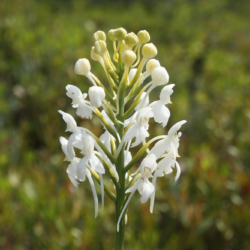
White-fringed bog-orchid. Platanthera blephariglottis, the species name meaning “fringe-tongued” for the lacy edges of its labellum, or lip, the flower’s downward-facing petal.
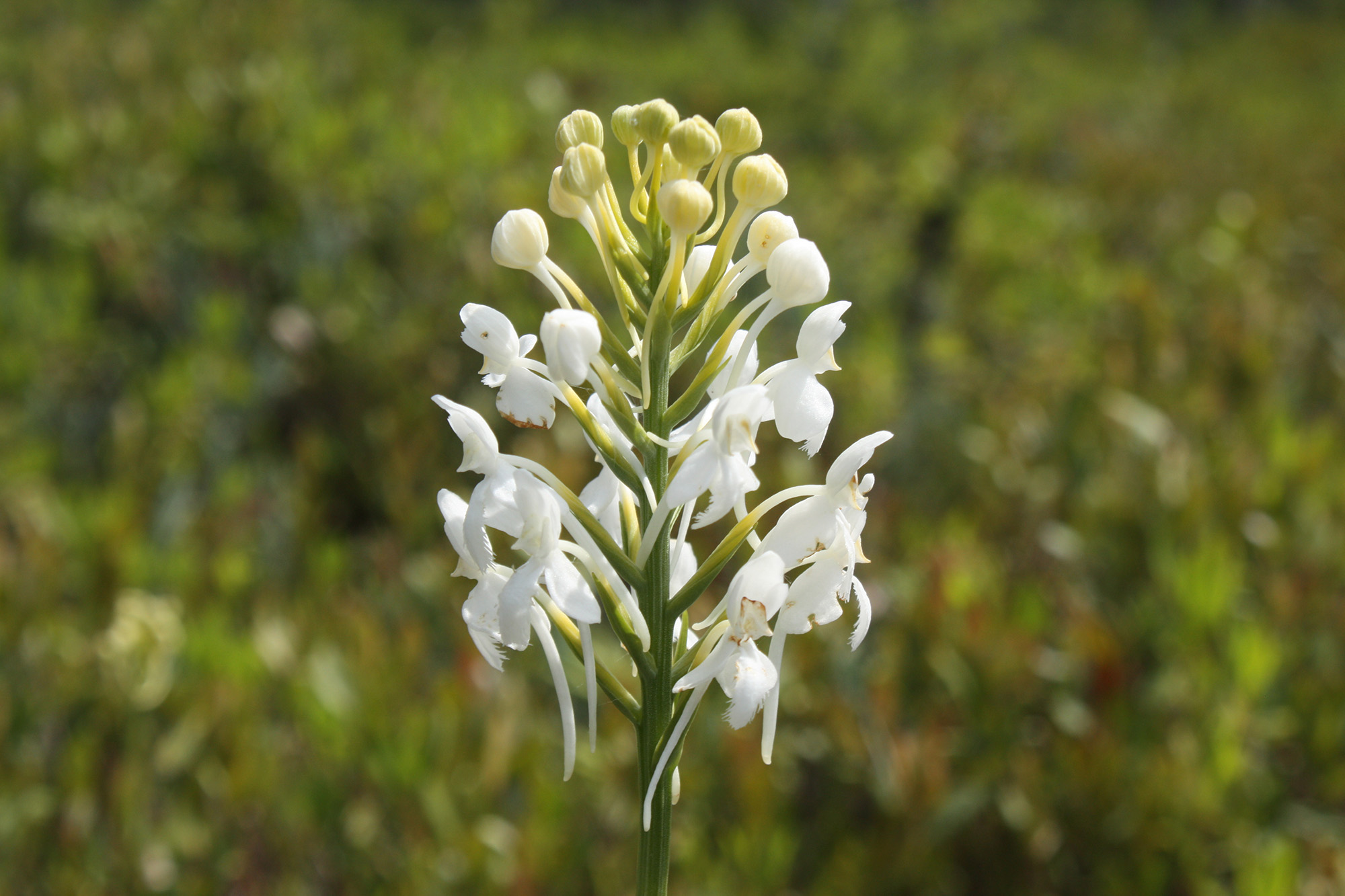
White-fringed bog-orchid
White-fringed bog-orchid.

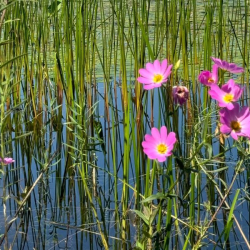
I am giddy. Nearby are rose pogonia, pitcher plant, more sheep laurel. Shelby, at this point advancing into the Poor Fen while I linger on its edge, admiring this first white-fringed bog-orchid, spots sundew and small cranberry in bloom.
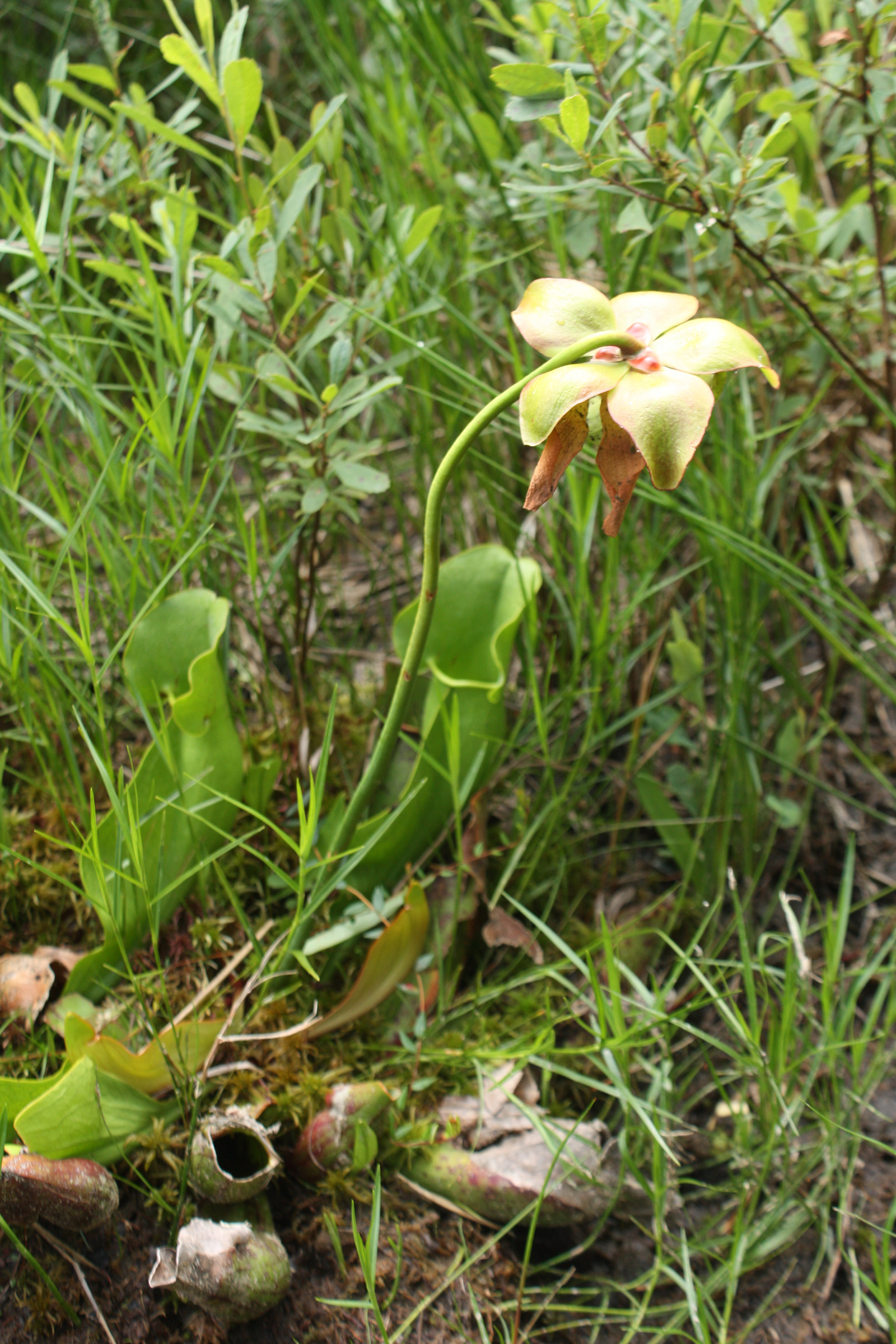
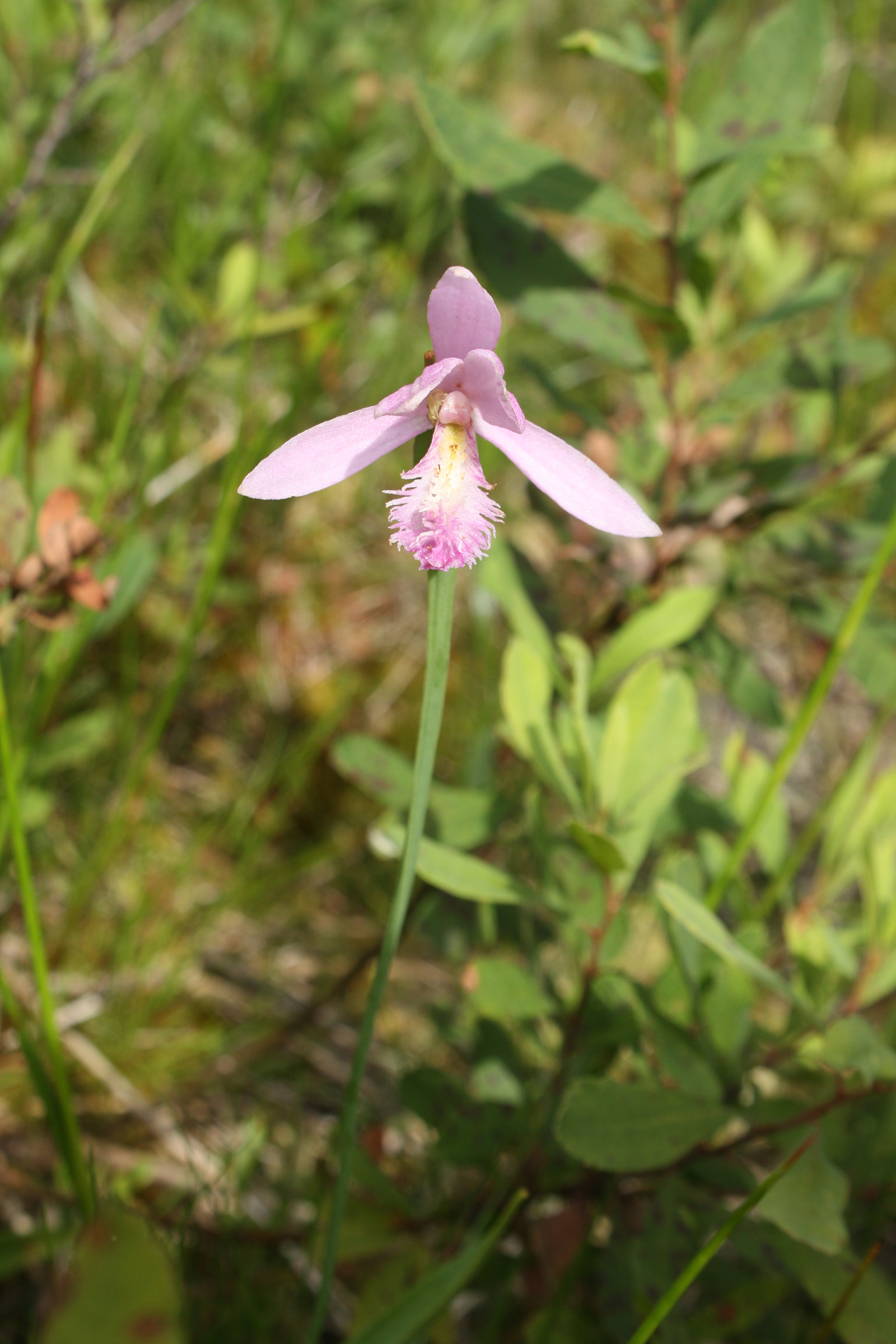
Pitcher plant; Rose pogonia. Pitcher plant; Rose pogonia.
Pitcher plant; Rose pogonia.

By the time I rise from my crouch, my knees ache. I advance onto the sphagnum moss of the fen. This substrate sits directly atop the water, forming a peninsula of woven moss. With each step the moss around the edges of my boots swells with water; I feel the displacement beneath my soles. We tread lightly, following deer paths as closely as possible, minding our footfalls.

Shelby, still ahead of me, yells: “There are more!”

I look up. White-fringed bog-orchids dot this little spit of sphagnum moss. Each plant is at a different stage of its bloom: On some inflorescences (the mass of individual flowers atop the stalk), nearly all the buds are open, the exquisite flowers unfurled in every direction. Others are still buttoned up, waiting to blossom.
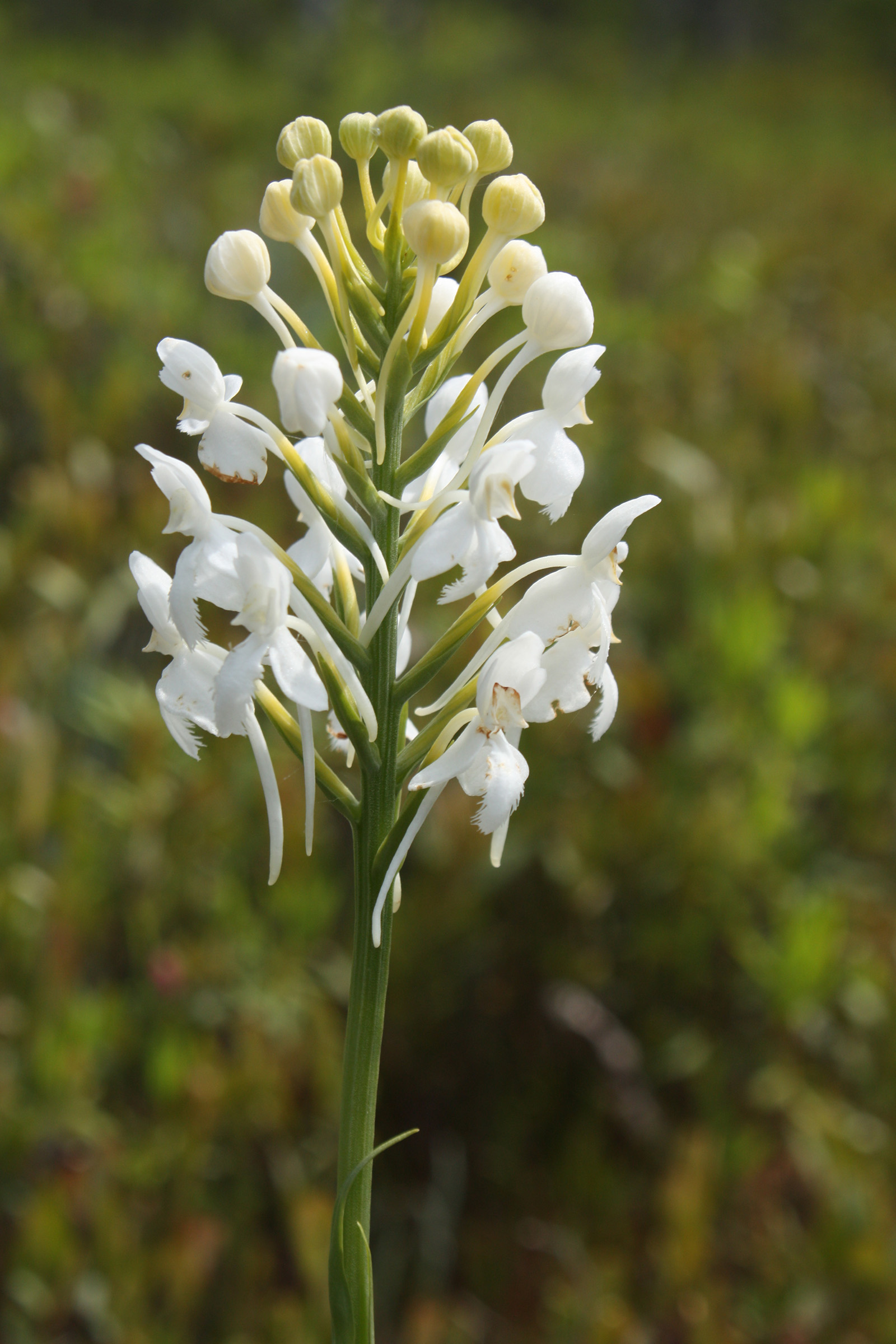
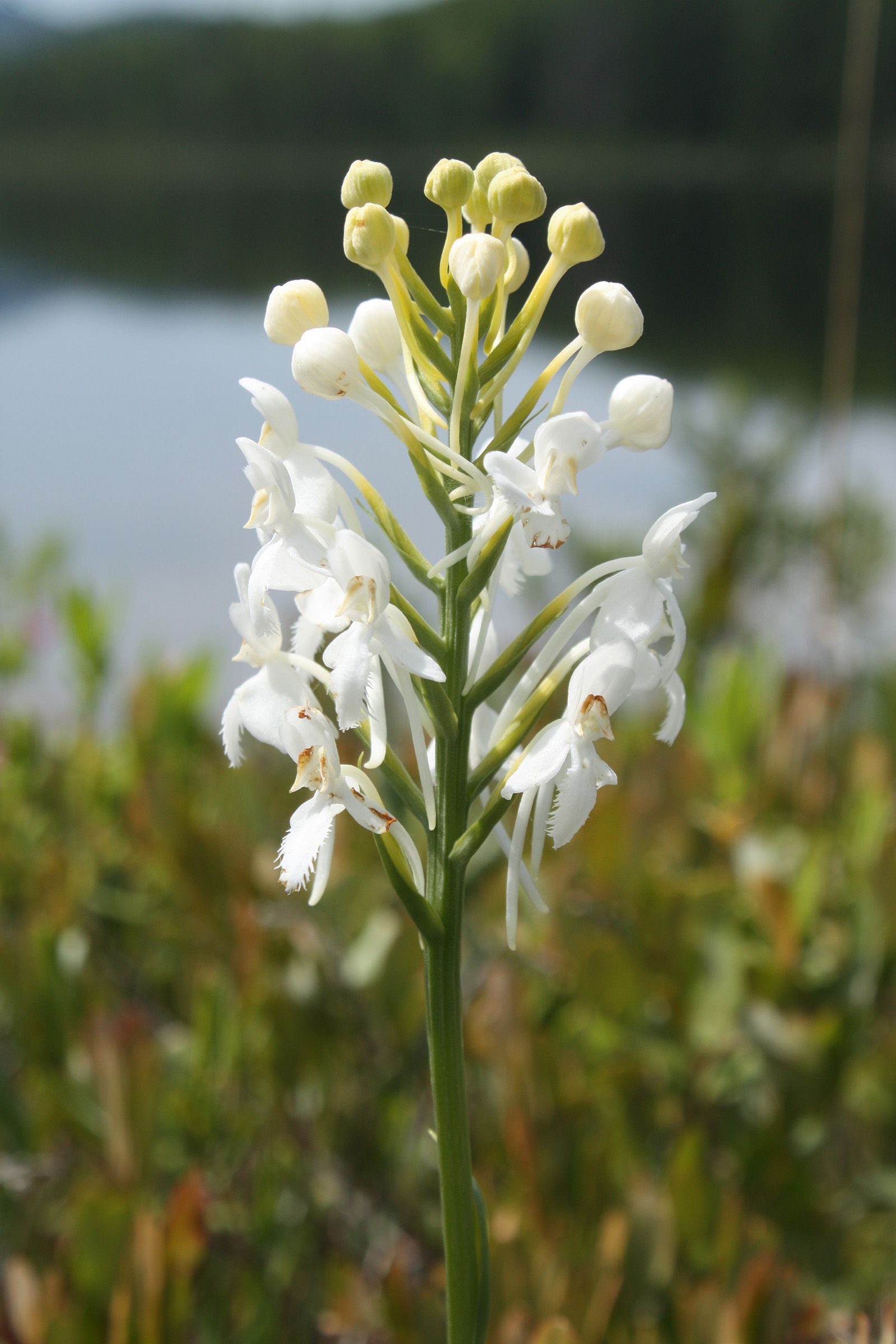
White-fringed bog-orchid. Pitcher plant; Rose pogonia.
White-fringed bog-orchid.

This concentration of white-fringed bog-orchids is more than a pageant of boggy beauty. It is a rare and precious sight, given the species’ rarity in northern New England. It is also an indicator of the integrity of this ecosystem, as white-fringed bog-orchids are very sensitive to disturbance and, when stressed, will not bloom. Large-scale changes to the water table through development or agriculture can wipe out populations entirely, an ominous sign for the wellbeing of the environments in which the orchids grow. And those wider environments are already disappearing. The United States has lost more than half its wetlands since the late eighteenth century.

But here, on this wildland, given the freedom to exist and evolve according to the ebb and flow of Nature, the orchids thrive. They and their floral counterparts in this Poor Fen are protected from development and extraction permanently, their place among this wider patchwork of forests, farms, and communities safeguarded by two layers of legal protection for the land. This strategy is what makes Northeast Wilderness Trust’s wilderness preserves and easements “forever-wild,” and what ensures continuity here amongst a world otherwise characterized by breakneck change.

After we get our fill of the fen, we follow the deer paths north, into what Shelby says is a Red Spruce Cinnamon Fern Swamp. The Common Yellowthroats sing; the mosquitoes go on buzzing.

I think of something I read before we arrived here. Poor Fens can take up to 10,000 years to develop. Unprotected, they can disappear in a flash.

This one, all its wildness, endures.

A Fondness for Salamander Eggs

I was climbing a steep logging road on a late spring morning when I came upon a puddle. There was nothing particularly notable about it, nor about the surrounding forest, which featured neither the mossy complexity of an old forest nor the tangled, prickly chaos of a recent timber harvest. Lying in a shallow depression in the tread of a former skid trail, now rewilding, the puddle’s waters were murky from recent rains. By all accounts, it was an ordinary puddle in an ordinary, middle-aged northern hardwood forest.

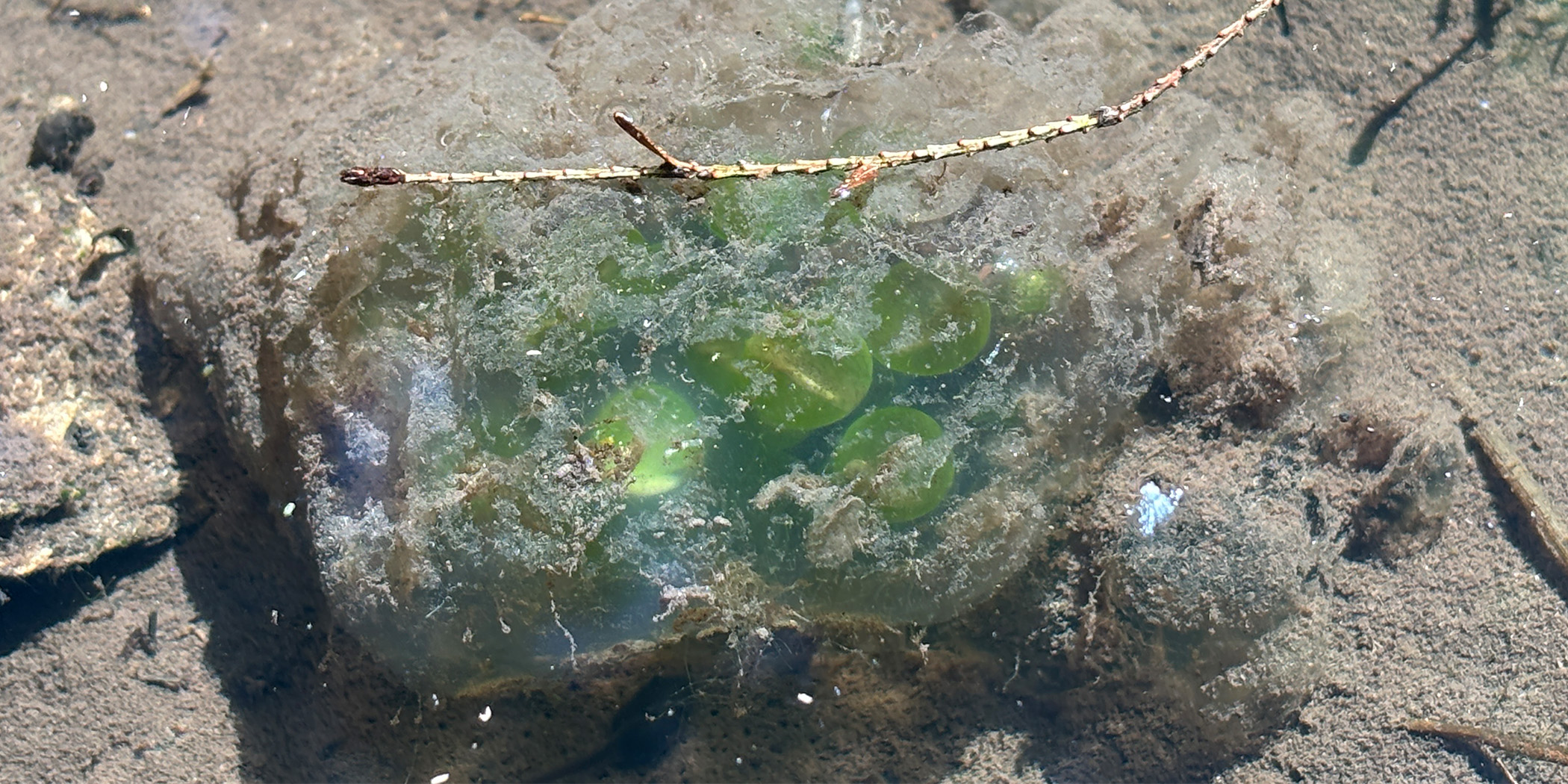
But as field naturalists are prone to do, I stopped anyway. Notebook in hand, I jotted down a few of the puddle’s dimensions while swatting away mosquitoes. I was looking for evidence of amphibian breeding—a diagnostic feature for determining whether this was a bona fide vernal pool or merely a glorified mud puddle. A barred owl feather floated on the surface, wood frog tadpoles darted among the detritus, mosquito larvae wriggled about, and near the edge of the puddle, attached to a small stick, was a cluster of eggs coated in green slime.

Upon closer inspection, I realized that the green slime wasn’t merely coating the egg mass—it was growing within the mass, in the gelatinous material in which the eggs sit. Standing in ankle-deep muck beside an old Adirondack logging road, I was looking at one of the strangest partnerships in the natural world.

Spotted salamander eggs close up

Strange—but Symbiotic—Bedfellows

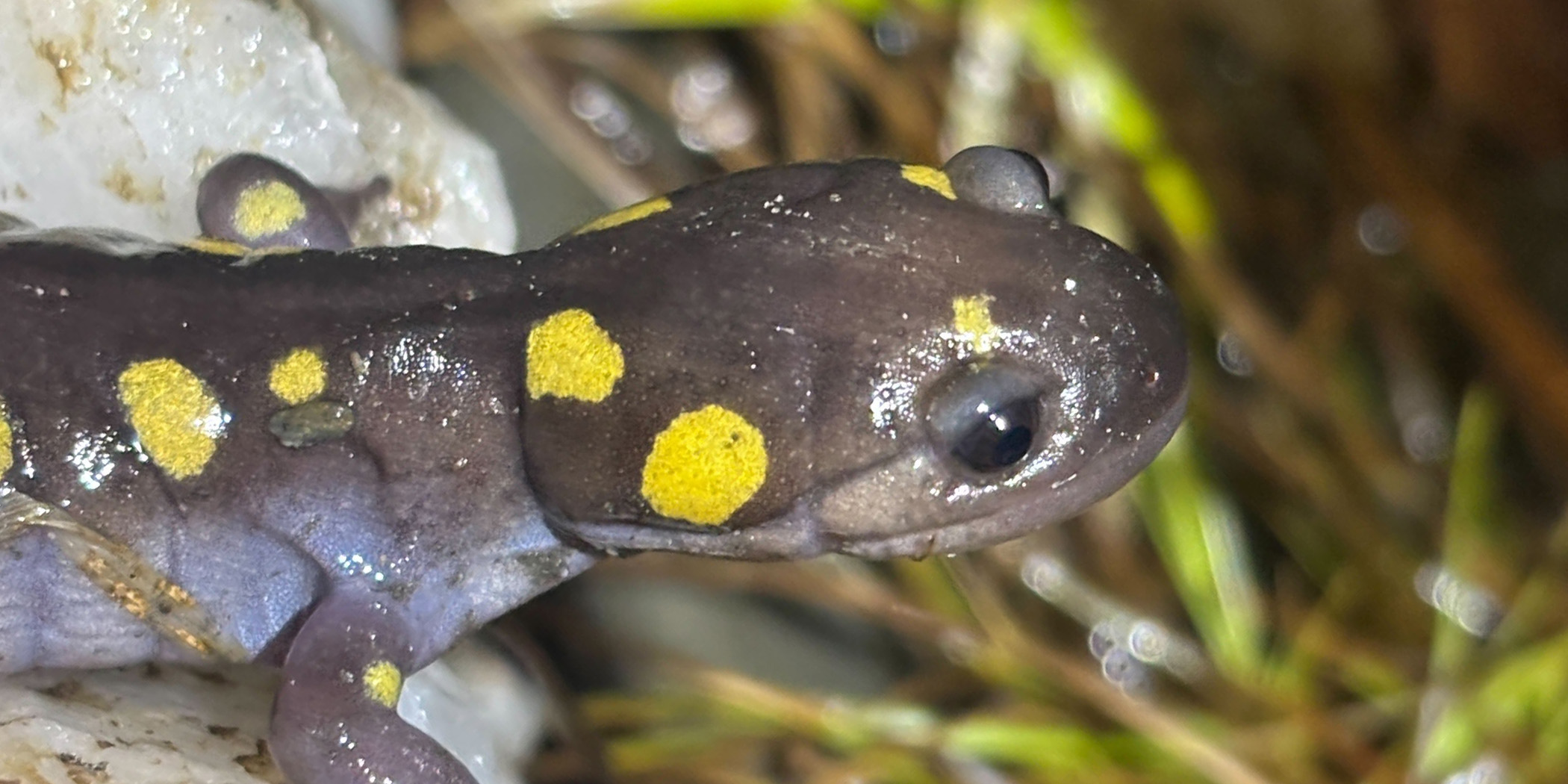
The eggs belonged to the spotted salamander (Ambystoma maculatum), and the mass’s green hue came from an alga (the singular form of “algae”) called Oophila amblystomatis, a name that translates fittingly to “lover of salamander eggs” or “a fondness for salamander eggs.”

The spotted salamander is a mysterious creature in its own right. For nearly the entire year, the species remains hidden beneath the forest floor, emerging only once during the first warm rains of spring to migrate by the thousands to nearby vernal pools. There, females deposit in the water gelatinous masses containing dozens to hundreds of fertilized eggs, identical to the one I had found, before returning below ground for the next 364 days. As the embryos develop through the spring, the “lover of salamander eggs” algae proliferate within the egg masses, turning their hosts a distinctive shade of green.

This association between algae and spotted salamander eggs has likely been observed for as long as humans have been peering into vernal pools, but the true extent of the relationship did not come into focus until quite recently. In 2011, researchers discovered that the algae were not merely growing within the egg masses’ gelatinous material—they were growing within the future salamanders themselves! It was the first known example of a photosynthesizing microorganism infiltrating a vertebrate’s actual cells.

The finding challenged long-held assumptions about the limits of symbiosis between life’s kingdoms. “Photosymbiosis,” whereby a photosynthesizing microorganism lives within a host, is a well-documented form of symbiosis, but usually involves and benefits a host that cannot produce or acquire its own food (also known as a “heterotroph”). Since spotted salamanders have no trouble finding their own food, they are not heterotrophs, making the relationship I witnessed all the more remarkable. (While not entirely accurate, the relationship is often referred to as the only known example of an animal “photosynthesizing,” though the algae are the ones doing the photosynthesizing.)

Spotted Salamander head

A Mutually Beneficial Partnership

Like most of nature’s enduring partnerships, both participants appear to gain something from the arrangement. The algae help oxygenate the egg mass and simultaneously absorb waste products, while the salamander embryos provide nutrients and carbon dioxide that fuel algal growth. It may seem like a fairly modest advantage, but when considering that only 1 in 200 eggs reaches the larval stage and only a small fraction of those larvae ever reach adulthood, even marginal benefits may be enough to tip the scales for natural selection to preserve the partnership.

This relationship is hardly the only oddity lurking in our wetlands: Wood frogs survive winter by freezing solid—their hearts stop until spring. Gray treefrogs, we now know, may actually be two nearly identical species, one carrying twice the number of chromosomes as the other. Mole salamanders have developed hybrid lineages that challenge our understanding of speciation. These are all evolutionary experiments still unfolding in the wet corners of our woods, in countless pools and puddles scattered across the Northeast.

And these fascinating puzzles are just a few of those among vertebrates, which make up only a tiny fraction of life’s diversity. The vast majority of organisms are small, inconspicuous, and poorly understood. Entire chapters of many of their natural histories remain unwritten, hidden in plain sight. Nature’s greatest mysteries are not always found in remote jungles or the old-growth cathedrals of temperate rainforests; sometimes the most remarkable stories unfold in the most ordinary places.

If such a relationship could remain overlooked for so long in one of the Northeast’s well-known amphibians, it raises an obvious question: What other evolutionary wonders have yet to be discovered throughout our rolling, rewilding landscape?

Tracking a Moose in Late Winter

One of the joys of working as an ecologist in land conservation is that the field season stretches year-round. One of my responsibilities at Northeast Wilderness Trust (NEWT) is conducting site visits at potential new preserves to create ecological inventories. NEWT pursues land acquisitions throughout the year, so while other ecologists often work within the short phenological windows when songbirds breed or certain plants flower, my field schedule more resembles that of timber companies and real estate agents. One upside to this expanded field season is that I get to explore new, wild places in winter, when much of the natural world lies dormant, on skis or snowshoes.

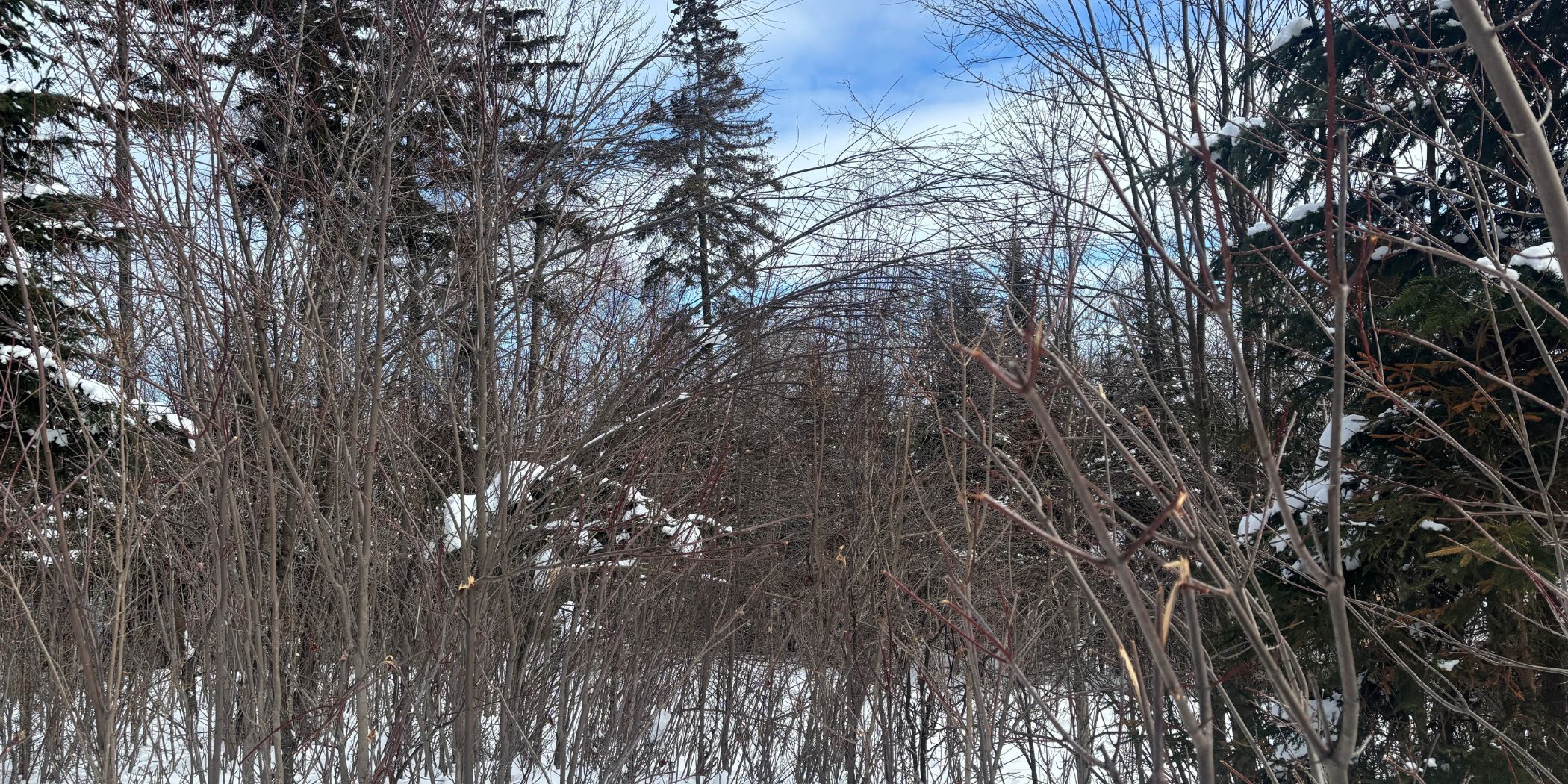
In late February in central Vermont, I set out on skis to document the ecology of a proposed NEWT preserve. At this point in the season, the snowpack is often at its greatest depth, and food resources that have sustained wildlife through the winter are beginning to run low. This past winter, in particular, brought consistently frigid temperatures and above-average snowfall. As a result, I was gliding on my skis across a landscape blanketed by more than 40 inches of snow, unimpeded by buried stumps, logs, and rocks lying beneath the dense snowpack.

Landscape with trees

Reading Moose Movement

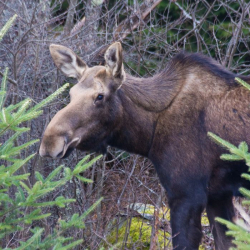
Midway through my journey, moving easily across the terrain, I came upon a set of unusually large tracks. At first, I wondered if they might belong to a lost human wandering through these former timberlands. But as I moved closer, it became clear that they belonged to the largest of New England’s megafauna: a moose.

I had noticed signs of moose earlier that morning: nibbled hobblebush buds and chew marks left on striped maple and young red maple stems. But the freshness of these tracks was clear evidence that the animal had passed by only recently, perhaps within hours of my arrival.

I inspected the tracks and the surrounding area. Wiry hairs lay in the deep hoofprints, and fresh scat sat piled periodically atop the snow. These signs created a clear trail, and I followed it for a while, noticing fresh browse on nearly every young tree or shrub along the path. Eventually, I came upon a large depression in the snow: the clear outline of where a moose had bedded down for the night. Fresh scat surrounded the bed site, along with clumps of hair shed from its thick winter coat.

The American Eel: Rewilding Watersheds

As an ecologist at Northeast Wilderness Trust (NEWT), I spend most days studying wild lands. As terrestrial creatures ourselves, things often feel more familiar on land—the sights, smells, and colors are welcoming, and the wildlife we encounter is recognizable and often charismatic. But the boundaries of a wilderness preserve do not stop at the river’s edge or the pondshore; they often extend into or encompass these freshwater systems. So every now and then my Wildlands Ecology colleagues and I turn our attention to the creatures that lurk in murky depths—those perhaps less photogenic but equally crucial and intrinsically valuable counterparts to the terrestrial species we know so well.

A Slippery Mystery

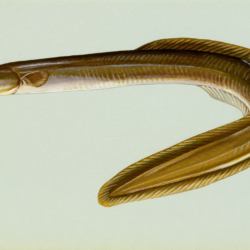
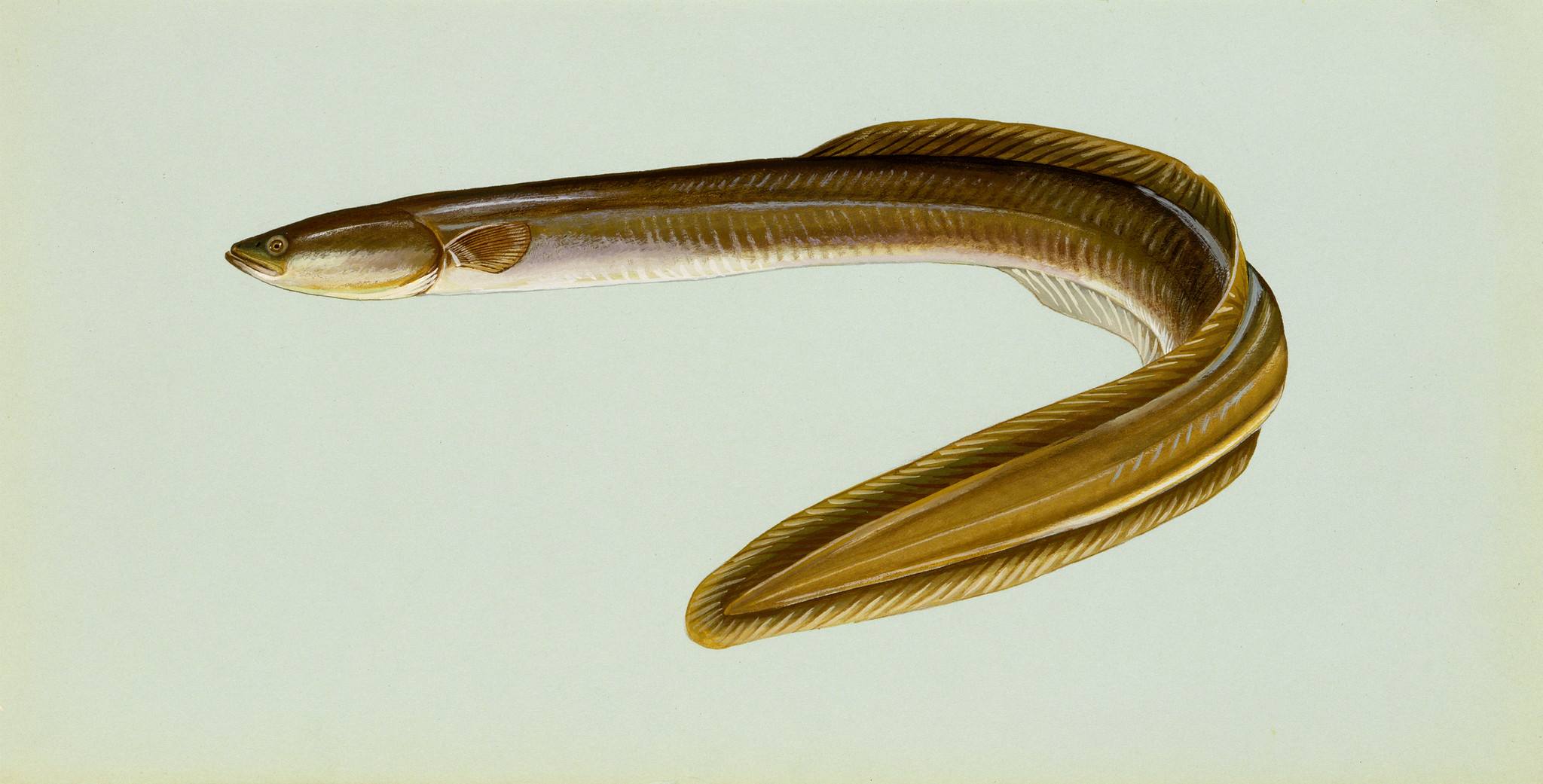
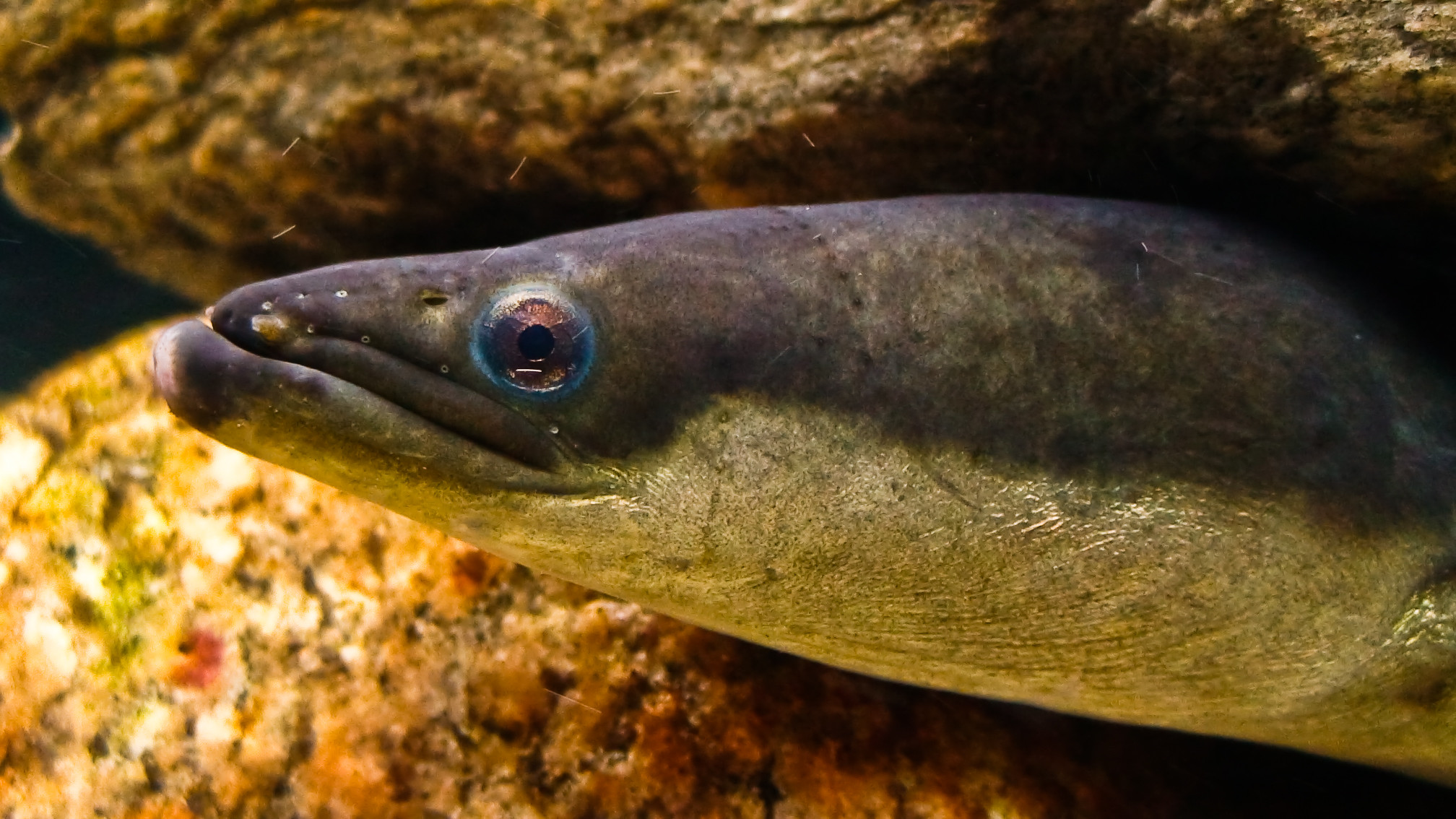
The American eel (Anguilla rostrata) is among the most fascinating and yet mystifying of these creatures. Once nearly ubiquitous in freshwater streams and rivers throughout Atlantic watersheds, the American eel is now largely confined to coastal waters and undammed inland waterways. Yet their story is bigger than the familiar tale of abundance severely diminished by human intervention. The American eel has puzzled scientists and naturalists for centuries, with critical details of the species’ biology still shrouded in mystery.


Illustration of an american eel

The American eel is North America’s only catadromous fish. They live much of their lives in freshwater (or brackish) environments but must return to the ocean to reproduce. This life cycle inverts that of anadromous fish like salmon, which live primarily in the ocean and return to rivers to spawn.

No one has ever observed eel spawning in the wild, but based on clues from their migration, we know that their life begins in the warm depths of the Sargasso Sea off the U.S. East Coast. There, adult eels spawn, producing tens of millions of eggs, and then perish. From those eggs hatch larvae (leptocephali) shaped like willow leaves, which drift along on ocean currents for months. As the larvae approach the continental shelf, they metamorphose into “glass eels”—transparent, androgynous juveniles—and begin the journey inland toward estuaries and rivers.

Once in fresh or brackish waters, they transform again, this time into elvers, and later into yellow eels, spending years to decades feeding and growing in streams, lakes, marshes, and rivers. In the yellow eel phase, they are nocturnal, hiding in sediment, root tangles, or under logs, nourishing themselves with a wide diet of macroinvertebrates, crustaceans, small fish, and amphibians.

When yellow eels reach maturity, they change once more, now into silver eels—their bodies develop sexual organs, their eyes enlarge, and their digestion shuts down. Fat reserves sustain them on the final, long migration back to the Sargasso Sea, during which they will not consume a single meal. There, the adults spawn and die, leaving their offspring to begin the cycle anew. Since they only develop sexual organs at this final, brief stage in life, leaving them little time to breed, scientists have struggled for centuries to figure out how reproduction occurs among eels.

Photograph of an american eel peeking out of a rock

American Eels as an Indicator Species

This catadromous life cycle, dependent on both healthy fresh- and saltwater systems, makes the American eel a reliable indicator of wild, connected aquatic ecosystems. They move nutrients and energy from the sea far into inland waters, reaching headwater ponds and streams that other migratory fish cannot. Eels are both predator and prey, a food source for herons, otters, larger fish, and people, while also regulating populations of invertebrates and small vertebrates.

Their ability to live in salt, brackish, and freshwater—and even to climb small waterfalls and cross damp ground between waterbodies—places them among the most adaptable fish on the continent. That such an adaptable species has declined so markedly demonstrates the severe disruption that barriers like dams and culvert wreak on aquatic ecosystems. These obstructions block eels’ upstream journey as juveniles and their downstream migration as adults. Global culinary demand for glass eels puts added pressure on already stressed runs, and shifting ocean currents caused by climate change may disrupt the timing of their larval drift.

In some places, like the Penobscot River, removing obsolete dams or replacing undersized culverts has already begun to restore eel runs and the health of entire watersheds. Conserving riparian forests, wetlands, and estuaries, and allowing natural processes to restore ecological integrity through passive rewilding, also benefits these migratory fish and countless other species that depend on clean, connected, and resilient waterways. When we conserve forever-wild land with an equal focus on both water and earth, imagining not only old, intact forests but also unbroken aquatic pathways, we give the American eel—and the watersheds it sustains—a chance to recover.

Old Trees and the People Who Know Them

On a cool and breezy summer afternoon, a team of seasoned ecologists and I made our way across a steep talus slope in a remote section of Vermont’s Groton State Forest: a 25-acre stand of ancient hardwoods known as Lords Hill. Tucked into the hills of the town of Marshfield, this forest is a rare remnant of an older age—one of the few places in the state where towering sugar maple, yellow birch, white ash, hemlock, and basswood have been left to grow, die, decay, and regenerate largely undisturbed for centuries.

We were there to revisit a long-term monitoring plot established decades ago and to measure the diameter of trees tagged as early as 1977. With me were ecologist and naturalist Charlie Cogbill, our leader, NEWT board member Brett Engstrom, NEWT’s Wildlands Ecology Director Shelby Perry, and Rose Paul, former director of Science and Freshwater Programs for The Nature Conservancy. We slowly and systematically worked our way across 50-by-20 meter grids, calling out data while Charlie stood at each grid’s center, clipboard in hand, scribbling notes, and confirming each measurement with familiarity and enthusiasm.

“Yellow birch. Tag number 451. Diameter 72 centimeters!” I called out across the talus slope, my voice bouncing off of moss-covered granite boulders.

Charlie, perched atop one such boulder, flips through his notes. “Yellow birch… 451… YES!” he exclaimed triumphantly. “That one put on four centimeters since 2002,” he added, grinning.


The Eastern Coyote: An Adaptable, Misunderstood Addition to the Northeast’s Ecology

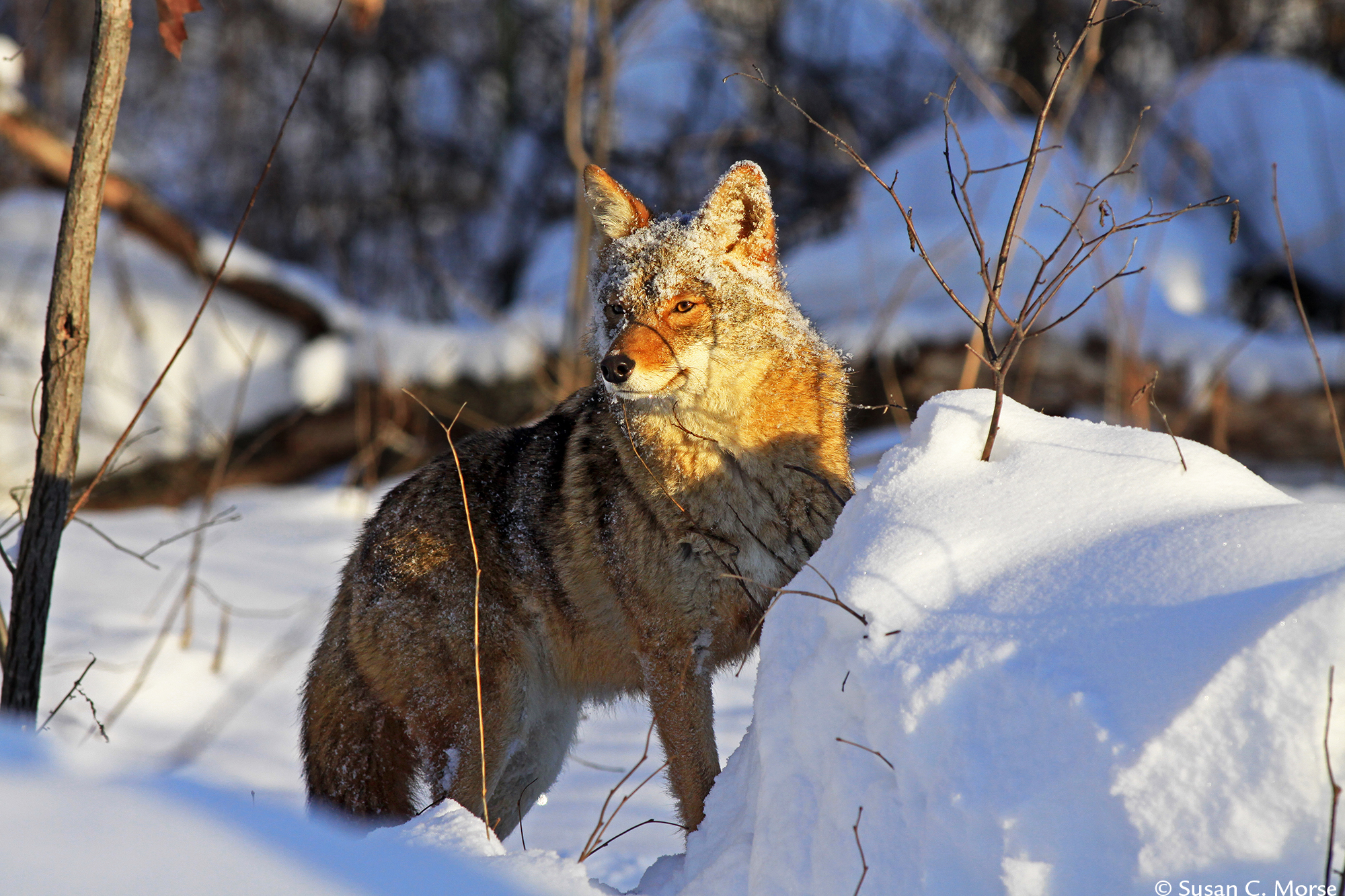
Among the myriad species documented by wildlife cameras across Northeast Wilderness Trust’s (NEWT) wilderness preserves, coyotes are perhaps the most ubiquitous. Whether in cedar swamps, atop spruce ridges, or roaming old fields, these adaptable creatures can be found in nearly every habitat throughout New England. Yet it may come as a surprise to many that coyotes are relative newcomers to our landscape.
coyote in winter

A Relative Newcomer

Coyotes did not appear in the Northeast until the 1940s. Beginning with European colonization, the conversion of large swathes of the eastern United States from forest to fields allowed this Great Plains species to move eastward. Along the way, coyotes interbred with remnant wolf populations in the Upper Midwest and Canada. The resulting hybrid, known as the eastern coyote, had become a larger, more robust, and wolf-like version of its western predecessor by the time it reached New England.

According to Vermont Fish and Wildlife, eastern coyotes are not considered invasive but rather naturalized—they have integrated into the native ecosystem and now partially fill the niche once occupied by wolves and cougars, which were extirpated from the Northeast by the late 1800s. The elimination of wolves, in particular, permitted coyotes to thrive, as wolves often establish territorial dominance and suppress coyote populations in regions where they coexist.

Research into coyote genetics has blurred the distinction between these former competitors. A 2014 study published in Molecular Ecology analyzed the DNA of 437 eastern coyotes and revealed a blend of several species: coyote, wolf, and domestic dog. According to the data, the eastern coyote’s genome was, on average, 64 percent coyote (Canis latrans), 13 percent gray wolf (Canis lupus), 13 percent eastern wolf (Canis lycaon), and 10 percent dog (Canis familiaris). This means that approximately 25 percent of their DNA is wolf, though individual variability can be significant. For example, a hunter in Cooperstown, New York killed a “coyote” in 2021 that was later found to be 98 percent wolf based on genetic analysis.

Coyote Ecology

The increasing abundance of coyotes on eastern landscapes has fueled misconceptions about their ecology. One frequent claim is that coyotes must be hunted to control their populations and prevent excessive deer predation. In reality, coyotes are compensatory breeders—they adjust their reproduction based on population pressures. When more coyotes are killed, the survivors tend to produce larger litters, meaning that hunting can actually increase their overall numbers. As for their effects on deer populations, coyotes are mid-level or “meso-” predators and opportunistic hunters. They primarily target small- to medium-sized prey like chipmunks, rabbits, and snowshoe hare, and while they may occasionally prey on deer or livestock, they usually only take old or sick individuals rather than healthy adults.

Coyotes’ adaptability extends into their social behaviors. The coyotes in the above video communicate and play as they move through the snowy woods of NEWT’s Moriah Wilderness Preserve in New York. Like their opportunistic diet and flexible reproductive strategies, coyotes are also adaptable in their social structures. They can range from solitary individuals to mated pairs, family groups, or even packs. This flexibility allows them to adjust to environmental conditions and survival needs. For instance, in areas where food is scarce—or where the only abundant prey species are large mammals like deer—forming a pack can provide a significant advantage.

Coyotes in the Northeast are the subject of fierce debate. But beyond the misconceptions is a species that exemplifies resilience and adaptability in a constantly changing landscape. By understanding and respecting these remarkable creatures as filling a critical ecological role, we can gain a deeper appreciation of them and the wild places they call home—a reminder that Nature’s inventiveness often comes in unexpected forms.

Warblers of the Shrublands

In my job as Northeast Wilderness Trust’s (NEWT) New York land steward, I come across a spectacular variety of bird species on NEWT preserves and easements. Beyond entertaining the birder in me, this dimension of my role also allows me to observe how land-use changes affect bird species composition. Most of the time, this involves seeing how interior forest birds respond to formerly logged lands rewilding via NEWT’s passive management approach. But sometimes, I’m treated to the surprises of different ecosystems—and the special delight that comes with the sighting of an unexpected species.

I had one such experience recently on a monitoring trip to a 60-acre conservation easement in the Split Rock Wildway in the Adirondack Park. This easement, despite its modest size, packs a big ecological punch. Upon leaving my vehicle, I experienced a landscape I know well. Water rushed over a waterfall while Eastern hemlocks towered above. Further on, an enormous rock face covered in moss and ferns emerged from behind the trees. This was familiar territory for me and for NEWT: an older forest, tranquil and wild.

But as I journeyed on, the landscape became less familiar. By the time I had reached the furthest point from my vehicle, the old forest had transitioned to young successional forest and shrubland. A deer path was the only clear way through this area; dense woody vegetation dominated the scene, with a few younger trees reaching taller than the shrubs.

As I walked through the maze of foliage, I froze in place when from a nearby shrub floated the song of a bird I had never seen before: a Blue-winged Warbler (Vermivora cyanoptera).

These songbirds are shrubland specialists. Their range has expanded northward since European colonization, when settlers cleared much of the Northeast’s forests for farmland. As many of those farms were abandoned, shrublands grew up in their place, creating vast new swaths of suitable habitat for the species.

These human-induced changes to the landscape were great news for Blue-winged Warblers, but not so much for another closely related songbird, the Golden-winged Warbler (Vermivora chrysoptera). Golden-winged Warblers are also a species of shrubby habitats, but they tend to nest in wetlands and then finish out the breeding season in the older forests like the one in which I started my day. The two species are nearly genetically identical, but the Blue-winged Warbler’s northward expansion has led to a dramatic decline in Golden-winged Warbler numbers. The latter often loses out when the two species compete for habitat and resources.

Upon further investigation, I spotted the songster, and found myself even more floored. The bird I spied looked like a Golden-winged Warbler, but was singing like a Blue-winged! The star of my shrubland show was what is known as a Brewster’s Warbler (Vermivora chrysoptera x cyanoptera), a hybrid resulting from interbreeding between Golden- and Blue-winged Warblers.

This was not a species I expected to see that day—or any other day, given that I generally work in the kind of towering forests I described earlier, and that both species specialize in early successional habitat. But it was a great reminder of the importance of a diversity of ecosystem types across the landscape. This shrubland will continue its reversion to forest over the coming years, but the adjacent, state-owned field to the easement’s north will continue to provide the shrubby habitat both species require—and the Golden-winged Warblers will have old forest right next door for their post-breeding needs.

This is a terrific example of the landscape vision of the Wildlands, Woodlands, Farmlands and Communities collective, of which NEWT is a member: a Northeast of diverse land uses and habitats, where wildlands sit side by side with timberlands and farms in a vibrant tapestry of ecosystems and dazzling biodiversity.